

 CNBC
CNBC 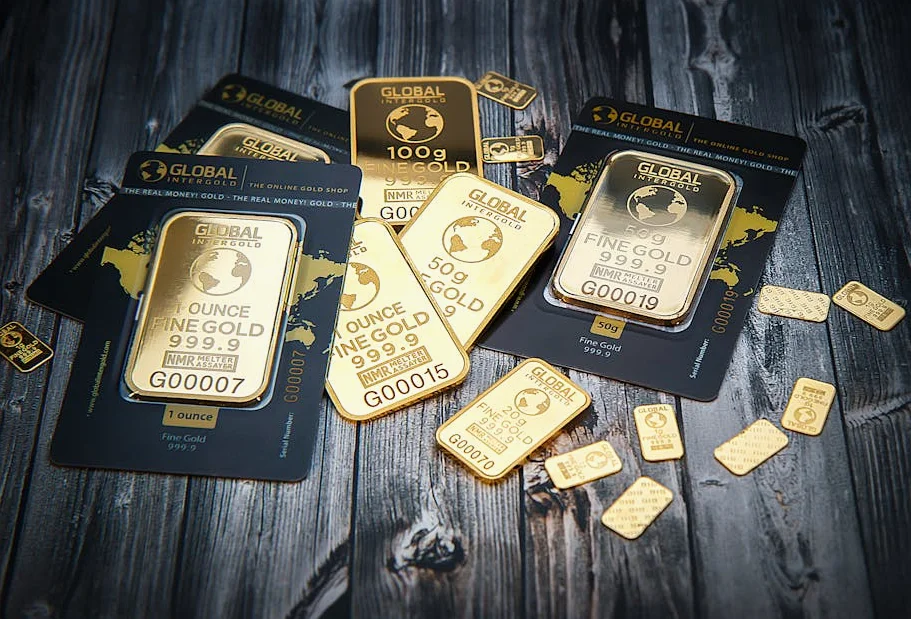
Gold prices have dropped to just below $2,000 per ounce, marking the first time in 2026 that the metal has fallen below this level, but Despite the recent decline, analysts and market watchers remain steadfast in their forecasts, predicting that gold could reach $10,000 an ounce by 2030. This confidence is rooted in long-term trends and economic fundamentals, even as the bullion market experiences a bearish phase.
Market Watchers Hold Firm on Forecasts
According to a recent report from CNBC, gold has lost nearly 14% of its value since the start of the year, with global central banks and investors shifting focus to more liquid assets. However, market analysts argue that the long-term outlook for gold remains strong. ‘Gold is a store of value during times of uncertainty, and we still see strong demand from emerging markets and central banks,’ said one analyst at a major financial firm.
The recent drop in gold prices is attributed to a combination of factors, including a strong U.S. dollar, rising interest rates, and a more optimistic economic outlook in developed markets. These factors have made gold less attractive compared to other asset classes. However, analysts warn that these are short-term dynamics and not indicative of the long-term trajectory of the metal.
Despite the current bearish sentiment, several investment firms and financial analysts have maintained their forecasts for gold reaching $10,000 by 2030. These predictions are based on ongoing geopolitical tensions, inflationary pressures, and the potential for central banks to continue purchasing gold as a hedge against economic instability.
Central Banks and Geopolitical Factors Drive Demand
Central banks have been a key driver of demand for gold in recent years, with the combined reserves of the world’s top 10 central banks increasing by 144 tons in 2025 alone. According to the World Gold Council, this surge in central bank purchases has been a major factor in stabilizing the gold market during periods of volatility.
Geopolitical tensions, particularly in the Middle East and Eastern Europe, have also contributed to the demand for gold. ‘Gold is often viewed as a safe-haven asset during times of geopolitical uncertainty,’ said a senior economist at a global investment bank. ‘These tensions are likely to persist, which supports the long-term case for gold.’
Analysts also point to the growing role of emerging markets in the gold demand equation. Countries like India and China have seen a steady increase in gold consumption, driven by cultural preferences and economic growth. This trend is expected to continue, further bolstering the case for gold as a long-term investment.
The current bear market in gold has also prompted some investors to look for alternative investment strategies. Some are turning to gold-backed ETFs and mining stocks as a way to gain exposure to the metal without directly purchasing it. Others are waiting for a potential rebound in prices before making larger investments.
What’s Next for the Gold Market?
Looking ahead, the gold market faces several key events that could influence its trajectory. The Federal Reserve is expected to begin tapering its rate hikes in the second half of 2026, which could lead to a weaker U.S. dollar and potentially higher gold prices. Additionally, the outcome of the U.S. presidential election in November 2026 could have implications for monetary policy and, by extension, the gold market.
Analysts are also keeping a close eye on inflation data and the performance of the global economy. If inflation remains higher than expected, it could provide further support for gold prices. Conversely, a sharp slowdown in global growth could lead to a flight to safety, further boosting demand for the precious metal.
Despite the current bearish sentiment, many investors and analysts remain confident in the long-term potential of gold. ‘We believe that the fundamentals for gold remain strong, and we are still looking for a significant rebound in the coming years,’ said a senior analyst at a major financial institution.
The market watchers who have held firm on their forecasts are not alone. Several investment firms have continued to allocate capital to gold-related assets, signaling their belief in the metal’s long-term value. This ongoing support could help stabilize the market and set the stage for a potential recovery in the years ahead.





Comments
No comments yet
Be the first to share your thoughts