

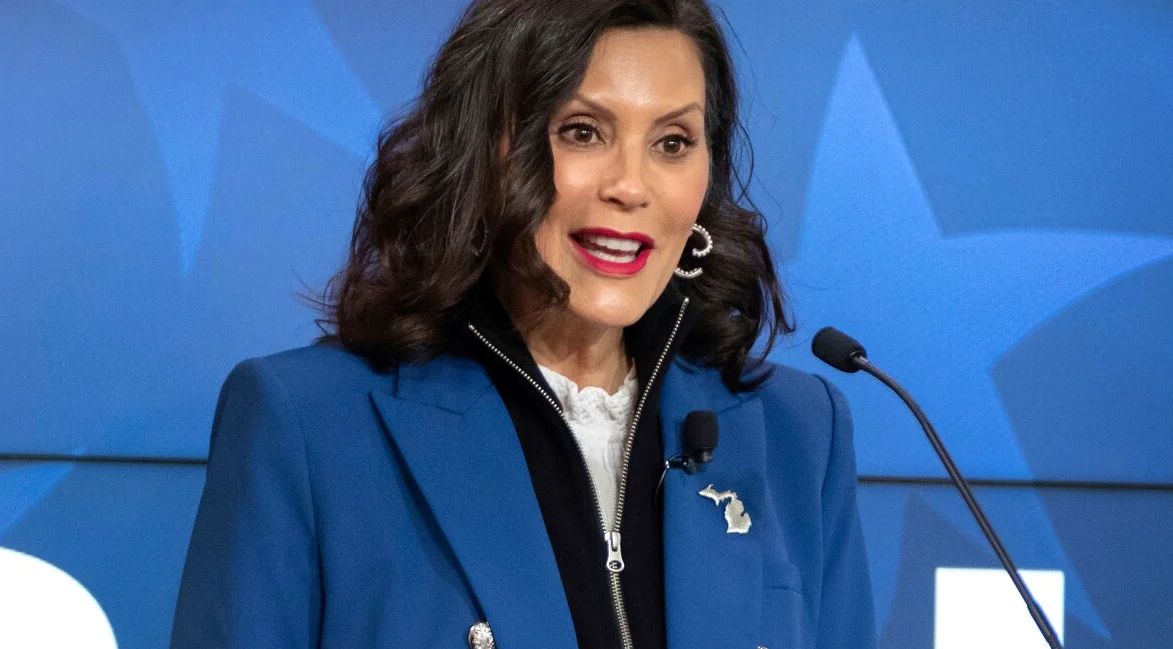
Governor Gretchen Whitmer will deliver her final State of the State address this evening at the Michigan State Capitol in Lansing, outlining her priorities for her remaining 10 months in office. Central to her agenda is a significant investment in education, particularly literacy programs, with a proposed $625 million allocation aimed at improving reading skills for students from pre-K through post-secondary levels.
Investment in Literacy and Education
Whitmer’s budget proposal includes a $200 million allocation for the ‘Every Kid Read, Eats, Succeeds’ initiative, which provides free meals to students and includes a $250 increase per student, totaling over $10,000 per pupil. This initiative is part of a broader strategy to ensure every child in Michigan can read proficiently by the end of third grade.
The governor’s plan emphasizes a historic investment in education, marking the largest allocation for literacy in the state’s history. According to the proposal, this funding will also support free Pre-K for approximately 68,000 Michigan children, addressing early childhood education disparities.
Support from Educators and Parents
Dr. Nick Angel, superintendent of Grass Lake Community Schools in Jackson County, praised the proposal, stating, ‘I do feel strongly that our students deserve high quality instruction.’ He highlighted the challenges districts face, including delayed state budgets, which complicate planning and resource allocation.
Angel noted that the proposed funding would allow his district to expand tutoring programs, restore summer school initiatives, and provide early high-quality instruction to more students. ‘It gives the opportunity for us to put our money where our mouth is,’ he said, emphasizing the potential impact on student outcomes.
Parents and educators in Jackson County have expressed support for the initiative, recognizing the importance of literacy in long-term academic success. Local advocacy groups have called for increased investment in reading programs, citing a growing need for early intervention in reading challenges.
Political Implications and Next Steps
Political analyst Dave Dulio, a professor at Oakland University, noted that the governor’s proposal will face scrutiny from the Republican-controlled state House. ‘The Republican house is going to take a look at the governor’s proposal and offer an alternative,’ he said, predicting a contentious debate between the House and Senate over funding allocations.
Dulio also pointed out that the proposed budget reflects a significant shift in priorities, with a record-high investment in per-pupil spending. ‘We are again going to have an all-time high of dollars spent per pupil, and I think that suggests where the governor thinks priorities are,’ he said.
The State Senate will play a crucial role in determining the final shape of the budget, as it holds the power to approve or reject the governor’s proposals. With the 2027 budget cycle approaching, the coming months will be critical in shaping Michigan’s educational landscape.
Whitmer’s final State of the State address will not only outline her priorities but also serve as a legacy statement for her time in office. The proposed literacy initiatives, if approved, could have lasting effects on Michigan’s education system and its students.






Comments
No comments yet
Be the first to share your thoughts