

 CBS News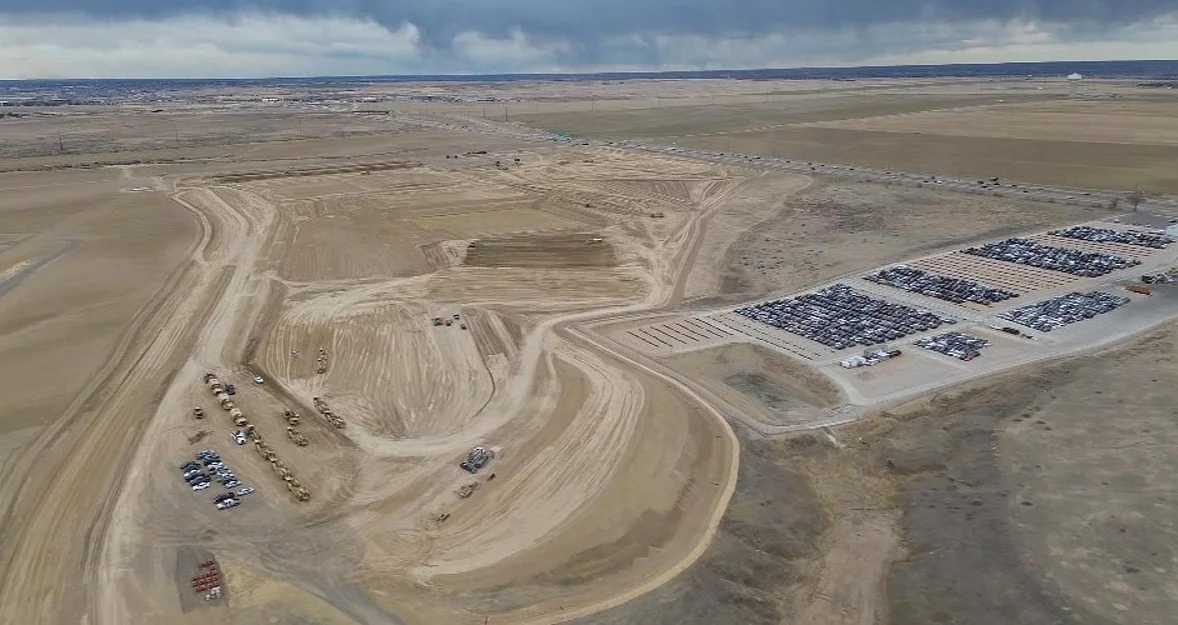
Greeley voters delivered a surprise outcome in a special election on Tuesday, halting the development of a $1 billion entertainment district known as Cascadia. The decision to pause construction has sparked debate over the region’s economic future and raised concerns about the financial implications for the city.
Impact on Construction and Local Economy
The voters approved Proposition 1A, which would temporarily block the rezoning of land at U.S. 34 and CR 17, keeping it zoned as agricultural for at least the next year. The city said this would not prevent horizontal development but would halt vertical construction of a hotel, waterpark, and the future hockey stadium of the Colorado Eagles.
Mayor Pro Tem Melissa McDonald described the decision as a ‘gut punch,’ expressing concern that the vote may deter future investors and developers from considering projects in Greeley.
Bill Rigler, campaign spokesman for ‘No on 1A,’ warned that the decision would cost jobs and tax revenue. He noted that 300 workers are already on-site, preparing the land for construction, and their jobs may be at risk if the project is indefinitely stalled.
Rigler criticized the city for missing an opportunity to bring fresh tax dollars to Greeley. ‘There is no plan B for the economic impact Cascadia would have brought,’ he said, predicting ‘a lot of hard discussions’ ahead.
Community Opposition and Developer Concerns
Rhonda Solis, co-chair of ‘Greeley Demands Better,’ celebrated the vote, calling it a victory for the community. She argued that the project was being pushed through without sufficient input from residents.
‘Our community didn’t have a voice, we were never asked,’ Solis said. ‘This was totally being forced, this wasn’t happening with us. It was happening to us.’
Solis specifically criticized developer Martin Lind, who owns the Colorado Eagles and has been involved in several major developments in Northern Colorado. She expressed concerns about long-term relationships with Lind and the potential for future conflicts.
Despite the opposition, Lind and his investors had promised to support other improvements in the area, including funding an overpass proposal at U.S. 34 and C.R. 17. However, Solis argued that the city’s leadership failed to accurately gauge public sentiment before pushing the project forward.
McDonald acknowledged that some voters may not have fully understood the financial risks of blocking the rezoning. The city had already borrowed $100 million for the project, with the original plan relying on the completion of the entertainment district to repay the loan.
If the city is left responsible for the debt, the cost could be passed on to taxpayers. McDonald said the opposition may view the vote as a win, but it could be a significant loss for Greeley’s future development.
Legal and Future Uncertainty
The future of the Cascadia project now hangs in the balance, pending a decision from the Colorado Supreme Court. The court is expected to rule on a related case from Telluride in March, which could impact the validity of the special election.
If the court rules in favor of the ‘No on 1A’ campaign, the project could resume construction. However, if the ruling is unfavorable, the Cascadia project would need to be redesigned and re-proposed to the city council by 2027.
Rigler and McDonald said they are worried that the $100 million already borrowed for the project could also affect the ‘Downtown Civic Campus’ construction project, adding to the city’s financial strain.
The outcome of the special election highlights the growing divide between city leadership and the local community, with long-term implications for Greeley’s economic development and public trust in local governance.






Comments
No comments yet
Be the first to share your thoughts