

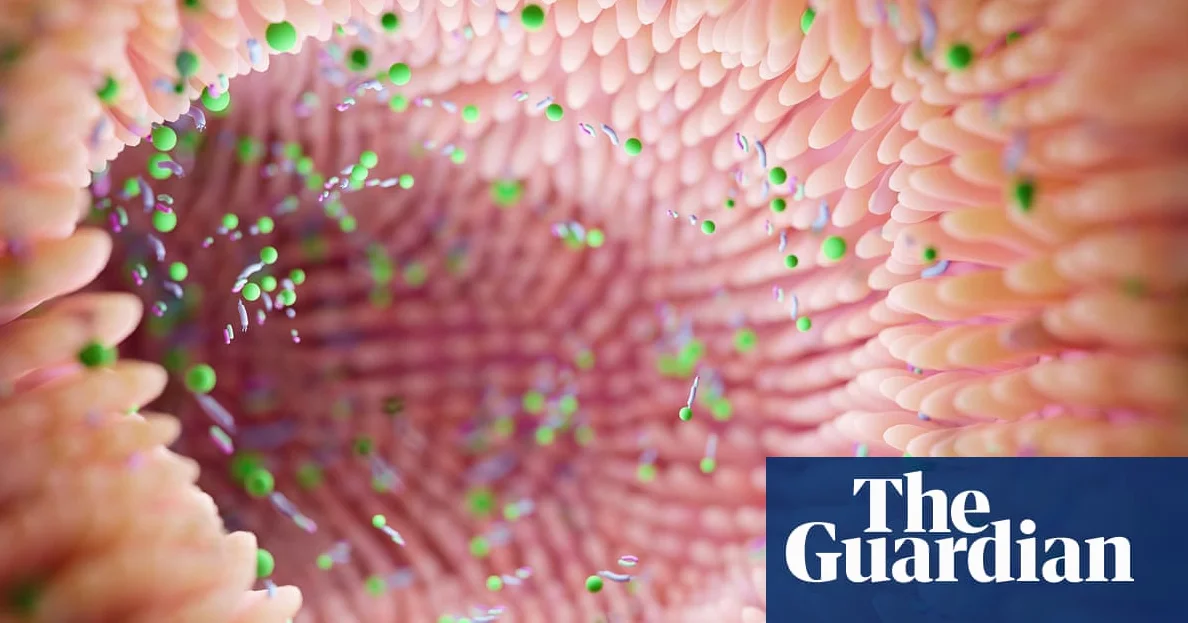
Scientists have identified a unique microbial signature in the gut that may predict a person’s risk of developing Parkinson’s disease, according to a study led by Professor Anthony Schapira at University College London. The research. Which analyzed data from over 1. 000 individuals. Found that more than a quarter of gut microbes—176 species—differed significantly between those with Parkinson’s and healthy controls — these changes were not influenced by medication and were also observed in individuals with a genetic predisposition to Parkinson’s but no symptoms yet.
The Microbial Signature and Parkinson’s Progression
The study. Which involved 271 Parkinson’s patients. 43 individuals with a risk gene for the disease but no symptoms, and 150 healthy controls, revealed that the microbial signature becomes stronger as the disease progresses. According to Schapira. This is the first time such a microbial profile has been identified in people with a genetic susceptibility to Parkinson’s but who have not yet developed symptoms. ‘These same changes can be found in a small proportion of the general population that may put them at increased risk,’ Schapira said.
The findings were corroborated with additional data from 638 Parkinson’s patients and 319 healthy controls in the UK, South Korea, and Turkey. The research suggests that the gut microbiome may play a role in the early detection of Parkinson’s, offering a potential avenue for early intervention.
Parkinson’s Disease and Its Global Impact
Parkinson’s disease causes progressive brain damage, leading to symptoms such as tremors, slow movement, stiff muscles, and issues with balance, sleep, and memory. The disease is driven by the death of neurons in the substantia nigra, a part of the brain responsible for producing dopamine. There is no cure for Parkinson’s, but medications that increase dopamine levels, along with physiotherapy and surgery, can help manage symptoms.
The number of Parkinson’s cases has doubled in the past 25 years, with over 8.5 million people worldwide now living with the condition. This increase highlights the urgency for better diagnostic tools and early intervention strategies.
Diet and Mental Health: A Broader Perspective
While the focus of the UCL study is on the gut microbiome and Parkinson’s, other research has explored the connection between diet and mental health. A recent study published in the Journal of the Academy of Nutrition and Dietetics found that a diet high in ultra-processed foods and refined carbohydrates increases the risk of depression. Kristin Kirkpatrick, a registered dietitian, noted that such diets can negatively impact the microbiome, leading to increased inflammation and a higher risk of mental health issues.
Studies have shown that replacing ultra-processed foods with whole, minimally processed foods—such as those found in a Mediterranean diet—can reduce the risk of depression. This aligns with findings from a 2019 study, which indicated that dietary changes can significantly influence mental health outcomes.
While the link between gut health and Parkinson’s is a recent discovery, it exposes the growing understanding of how the microbiome influences both physical and mental health. As research continues, it may open new possibilities for early diagnosis and treatment of neurodegenerative diseases.






Comments
No comments yet
Be the first to share your thoughts