

 Al Jazeera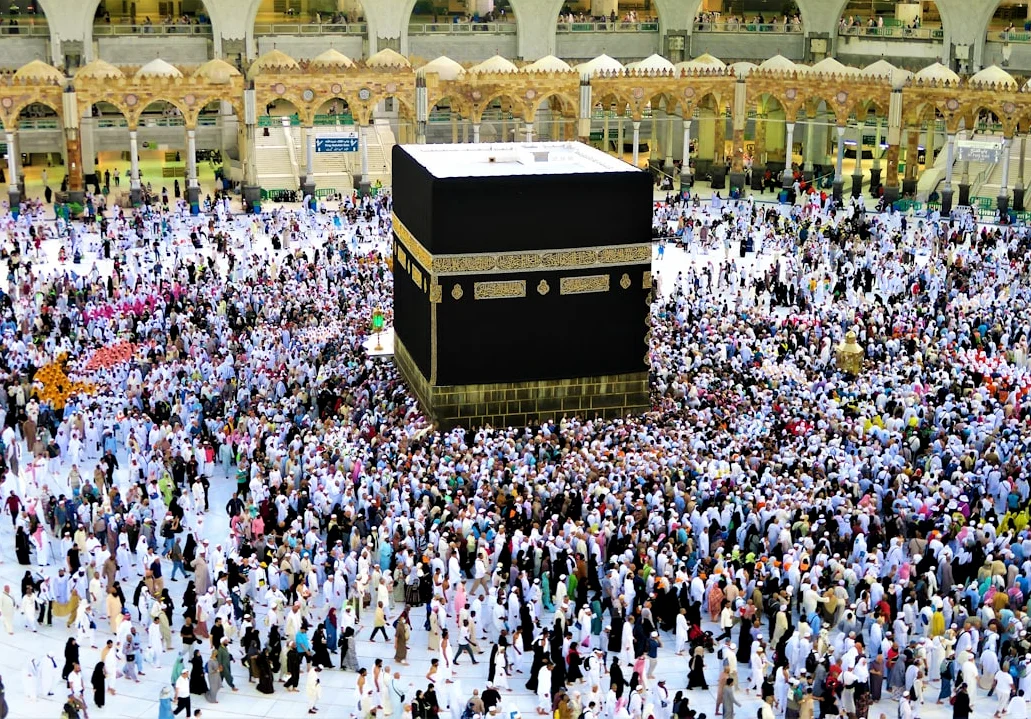
Nearly 2 million Muslims are preparing to launch on the annual Hajj pilgrimage to Mecca, which begins on May 25, following the sighting of the crescent moon in Saudi Arabia.
The Significance of Hajj in Islam
The Hajj is the annual pilgrimage to Mecca, Saudi Arabia. It is the fifth and final pillar of Islam, along with the declaration of faith (shahada), five daily prayers, obligatory charity (zakat), and fasting during the month of Ramadan. The word comes from the Arabic root “h-j-j”, which means “intending a journey” or “to set out for a definitive purpose.”
It is obligatory once in a lifetime for all adult Muslims who are physically and financially able to undertake the journey; Muslims believe that the Hajj is a direct commandment from God, as outlined in the Quran. Prophet Muhammad’s “farewell pilgrimage” in 632 AD affirmed the steps in the 10th year of the Islamic calendar, and it is mentioned in the Quran nearly a dozen times.
Rituals and Dates for Hajj 2026
The Hajj is performed between the 8th and 12th (or 13th) of Dhul-Hijjah, the 12th and final month of the Islamic calendar — the timing falls roughly 70 days after the end of Ramadan, though this can vary slightly depending on the lunar cycle. In 2026. The Hajj will take place from May 25 to May 27, but many pilgrims arrive in Saudi Arabia weeks before to prepare for the journey.
Because the Islamic calendar follows a lunar cycle, with months lasting 29 or 30 days, the Hajj shifts 10 to 12 days earlier each year in the Gregorian calendar. Pilgrims perform many rites and rituals during the five days of Hajj, which can be explained in the following steps.
Day 1 includes entering the sacred state of ihram, circling the Kaaba (tawaf), and walking between the hills of Safa and Marwah (sa’i), Pilgrims proceed to Mina, known for its 100,000 white tents that house millions of visitors. Day 2 involves the central ritual at Arafat, where pilgrims spend the afternoon in wuquf (standing), and then travel to Muzdalifah to collect pebbles for the next day’s ritual.
Day 3 marks the first day of Eid al-Adha, Pilgrims perform the stoning of the pillars, offer animal sacrifices, and cut or shave their hair to symbolise spiritual renewal. Days 4 and 5 involve further stoning rituals and a final tawaf around the Kaaba, known as the tawaf al-wada or a “farewell tawaf.”
Eid al-Adha and the End of the Pilgrimage
Eid al-Adha is celebrated on the 10th of Dhul-Hijjah and lasts up to three days in many countries, the day begins with a special prayer shortly after sunrise, as Muslims gather in mosques or open areas, wearing their finest clothes. The rest of the day is spent sharing meals, exchanging gifts, and visiting family and friends — the greeting “Eid Mubarak,” meaning “Blessed Eid,” is commonly exchanged.
Eid al-Adha also involves the ritual of animal sacrifice, known as Qurbani. Muslims who are able to do so sacrifice a sheep, goat, cow, or camel, and the meat is divided into three parts: one for the family, one for relatives and friends, and one for those in need.






Comments
No comments yet
Be the first to share your thoughts