

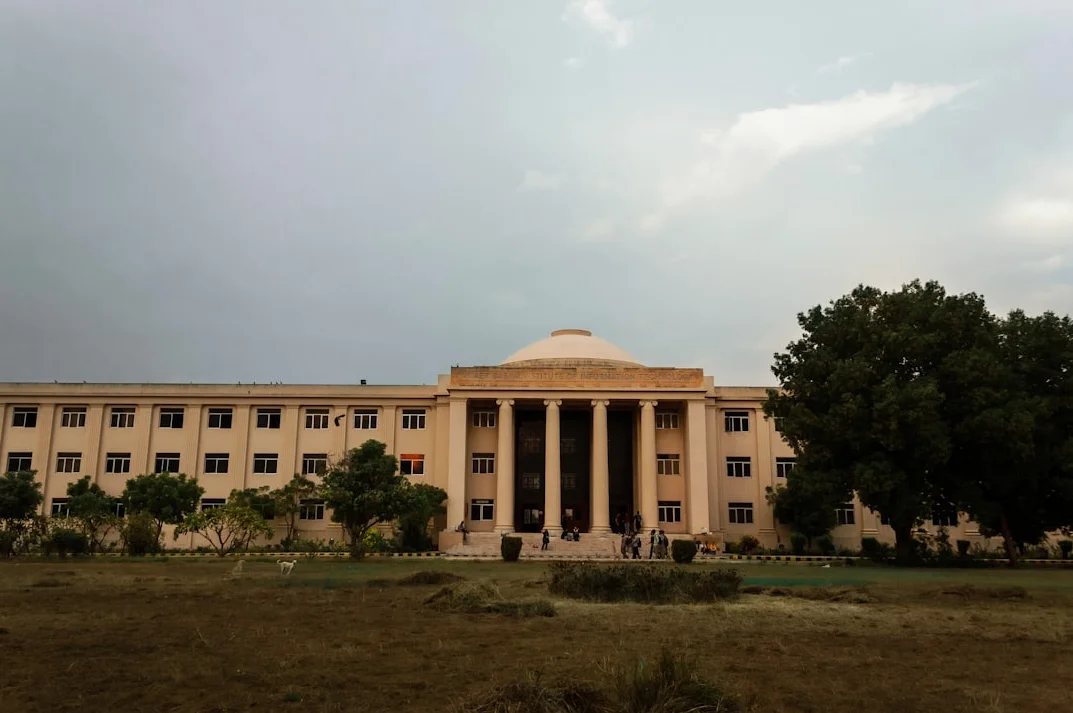
A professor at Jindal University in Haryana has been suspended following allegations that he compared Prime Minister Narendra Modi to Adolf Hitler during a lecture, according to a complaint filed by one of the university’s students’ parents. The incident, which has drawn attention from the state human rights commission, has raised concerns about academic freedom and political bias in higher education.
Academic Dispute Over Political Remarks
Vishav Bajaj, father of a student named Vikhyaat Bajaj, claimed that his son faced harassment during a class on November 3, and that further incidents occurred on November 7 during a lecture titled ‘Politics of Representation.’ According to Bajaj, the associate professor made remarks that were ‘politically derogatory, inflammatory and deeply disturbing in nature,’ including comparing the prime minister to Adolf Hitler and dismissing national security operations as ‘gimmicks and branding exercises.’
Vikhyaat Bajaj had previously praised the Indian government, the prime minister, and the Indian Army in an essay about the 2016 Uri attack, Bajaj alleged. He claimed that this led to a group of professors with specific political views to target his son.
Vishav Bajaj alleged that his son was subjected to public humiliation in the classroom and failed the course due to these alleged biases. Following a written complaint to the university’s vice chancellor, an inquiry was conducted by the executive dean, who found that the failure was unjustified. As a result, the university revised the result, and Vikhyaat Bajaj was passed in the internal assessments.
Psychological and Academic Impact on Student
Bajaj stated that the incident caused his son to suffer from mental and physical distress, with the student now living under constant fear of retaliation, academic failure, and institutional victimization. The father described the episode as having generated resentment among some professors toward his son.
Vishav Bajaj’s complaint has since been forwarded to the Haryana Human Rights Commission (HHRC), which has taken up the case. The HHRC has requested reports from the Sonipat police commissioner and the university registrar, with the commission directing the registrar to appear in person or send a senior officer on May 13.
University Response and Legal Proceedings
Anjoo Mohun, the university’s chief communications officer, stated that the matter is being handled by the HHRC and that the university is fully cooperating with its directives. ‘As per the law, the matter is being heard by the HHRC and we are complying with their request,’ Mohun said.
The case has sparked broader discussions about the role of political bias in academic settings and the potential for retaliatory actions against students who express views that conflict with certain ideological positions. The incident has also highlighted the need for clear guidelines on academic freedom and the protection of students from perceived or actual discrimination.
Analysts have noted that this case may set a precedent for how universities handle politically sensitive topics in the classroom. The outcome of the HHRC inquiry could influence future policies on academic freedom and the balance between free speech and institutional responsibility in educational institutions.
The university’s response has been cautious, emphasizing compliance with legal procedures, but questions remain about the broader implications of such incidents for the academic community in Haryana and beyond.





Comments
No comments yet
Be the first to share your thoughts