

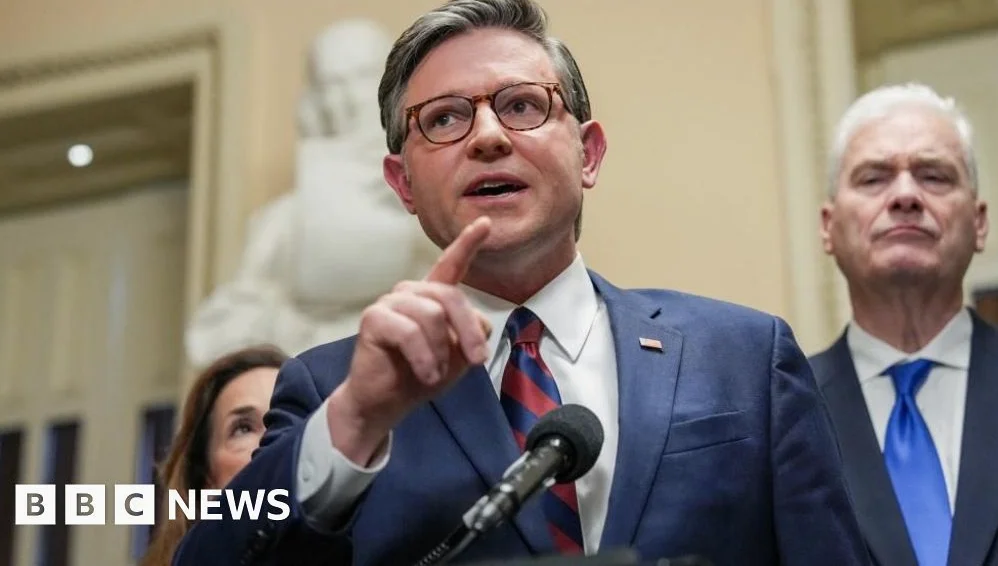
House Republicans have rejected a Senate funding deal, prolonging the partial government shutdown that has left thousands of federal workers unpaid and caused chaos at U.S. airports. According to the BBC. Airport security agents have not been paid in over a month, leading to longer lines and travel disruptions, and the rejection of the Senate proposal comes as the House continues to debate how to fund the Department of Homeland Security (DHS) amid political gridlock.
Political Divide Over Funding
The rejection of the Senate deal highlights the deepening divide between the House and Senate over how to fund federal agencies. According to the BBC. The House Republicans have not agreed on a final version of the funding bill, with some members pushing for more concessions from the Senate. This disagreement has stalled progress and kept the government in a partial shutdown, affecting departments such as DHS, which oversees airport security, border control, and emergency management.
According to ABC7 Los Angeles. The House is set to vote on an extension of the Affordable Care Act (ACA) subsidies, which would allow millions of Americans to continue receiving health insurance coverage. The vote comes after nine Republicans supported moving the bill to the floor, showing a rare bipartisan effort on health care, and However, the funding battle over DHS remains unresolved, with House Republicans continuing to reject the Senate’s proposed deal.
“The House Republicans are not willing to accept the Senate’s offer without additional concessions,” said a House member who spoke to the BBC. “There are still significant differences on how to fund the department and who should bear the financial burden.”
Impact on Airport Security and Travel
The partial government shutdown has had a direct impact on airport security, with Transportation Security Administration (TSA) agents working without pay for over a month. According to the BBC. This has led to longer wait times at security checkpoints, with some travelers reporting lines stretching for hours — Airlines have also been affected, with some flights being delayed or canceled due to staffing shortages.
“We are doing our best to maintain safety and security, but the lack of pay is taking a toll on our ability to operate at full capacity,” said a TSA agent who spoke to ABC7 Los Angeles. “It’s a difficult situation for our workers and for the traveling public.”
According to the BBC. Over 30,000 federal workers have been furloughed since the shutdown began, with many working without pay while others have been placed on unpaid leave. The financial strain on these workers has only increased as the shutdown continues, with no clear resolution in sight.
Health Care and Bipartisan Efforts
While the funding battle over DHS continues, House Republicans have shown a rare moment of bipartisan cooperation on the ACA subsidies. According to ABC7 Los Angeles, nine Republicans supported moving the bill to the floor, allowing the House to vote on extending subsidies that help millions of Americans afford health insurance. This move comes as the administration pushes to ensure continuity in health care access during the shutdown.
“The House Republicans have recognized the importance of maintaining health care coverage for Americans, even as they continue to debate funding for other federal agencies,” said a House spokesperson who spoke to ABC7 Los Angeles. “This is a critical issue that affects millions of families.”
According to the BBC, the ACA subsidies are set to expire in mid-March, and the extension is important to prevent a sudden loss of coverage for millions of Americans. The House vote is expected to be a key moment in the ongoing political battle over both health care and government funding.
What’s Next for the Shutdown?
The ongoing partial government shutdown has no clear end in sight, with House Republicans continuing to reject the Senate’s proposed deal. According to the BBC, the House is expected to hold more votes on funding in the coming days, but no consensus has been reached on how to proceed. This uncertainty has created a ripple effect across the federal government, with agencies struggling to operate at full capacity.
“The government cannot function without a clear funding plan,” said a Senate official who spoke to the BBC. “We are hopeful that the House will come to an agreement soon, but the current impasse is not sustainable.”
According to ABC7 Los Angeles, the House is also considering other funding measures, including a potential emergency spending bill that would provide short-term relief. However, this remains a contentious issue, with both sides reluctant to make concessions.
As the shutdown continues, the impact on federal workers, travelers, and the broader economy grows. The situation has highlighted the deepening political divisions in Washington and the challenges of passing legislation in a highly polarized environment.
Why It Matters
The prolonged government shutdown has far-reaching consequences, affecting not only federal workers but also the general public. Airport security disruptions, delays in emergency services, and uncertainty over health care coverage all contribute to a growing sense of instability. The situation also raises questions about the ability of Congress to function effectively in times of crisis.
“This shutdown is not just about funding—it’s about the ability of the government to serve the people,” said a political analyst who spoke to the BBC. “It’s a reminder of the challenges we face when political disagreements take precedence over the needs of the American people.”
The ongoing stalemate has also drawn criticism from both sides of the aisle, with many calling for an end to the political posturing. As the House continues to debate funding, the pressure on lawmakers to reach a resolution grows, with the American public watching closely.






Comments
No comments yet
Be the first to share your thoughts