

 BBC News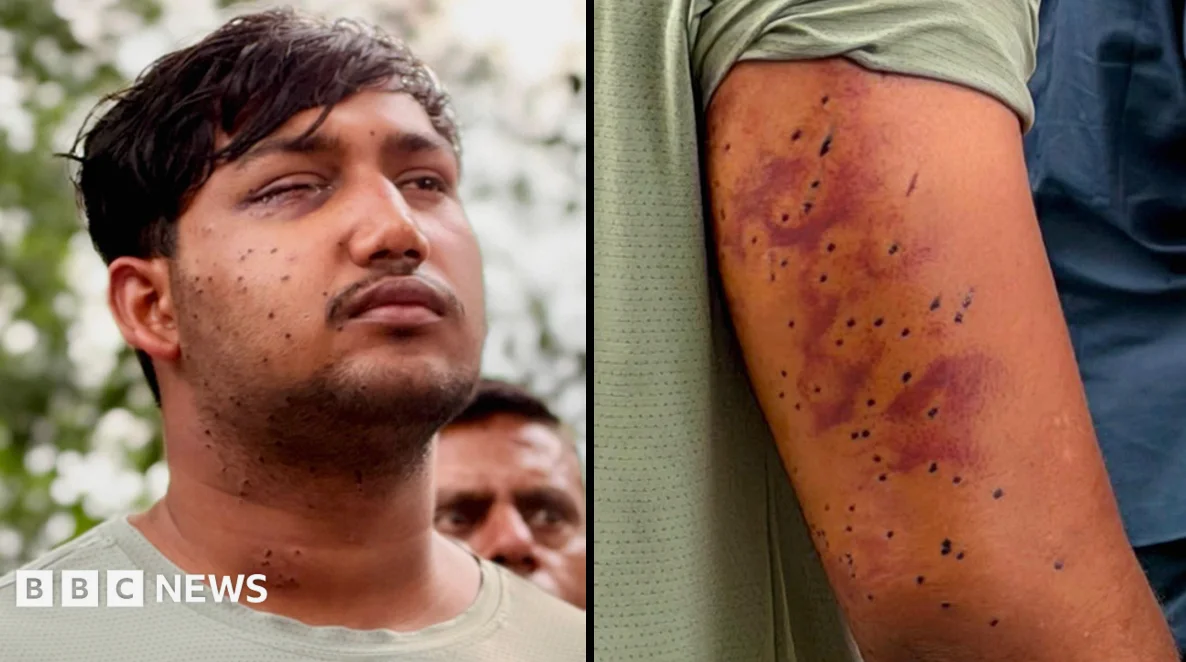
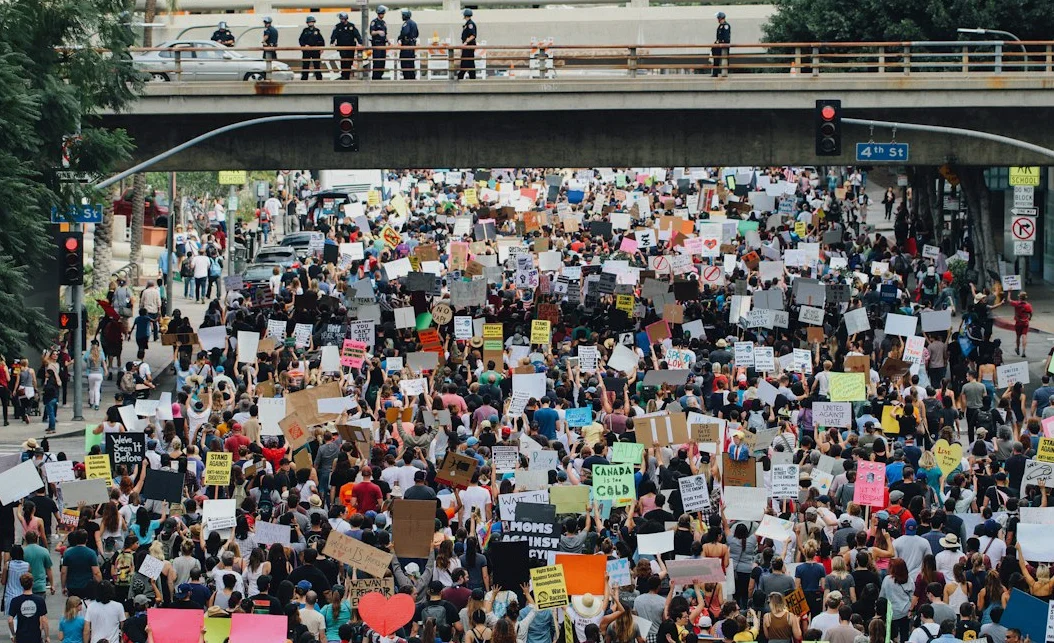
Independent ballistic experts have told the BBC that injuries sustained by some Cockroach Janta Party (CJP) supporters during last week’s protest in the Indian capital were caused by pellet guns. Central Delhi witnessed overwhelming violence on 20 July when tens of thousands of protesters tried to march to the parliament to seek education reforms and the resignation of the education minister.
Protesters Report Injuries Consistent with Pellet-Gun Use
Police and paramilitary personnel were seen attacking the crowds with wooden sticks, batons, and tear gas. Delhi Police said 60 protesters and 118 of their personnel were injured. CJP said the number of injured protesters was a lot higher than the official count. In the days following the enforcement action, the government has not confirmed media reports that pellet guns were used on protesters.
The BBC has been able to confirm at least four cases where protesters have been treated at hospitals for wounds that experts say are caused by pellet guns. Pellet guns are shotguns designed for bird hunting. They fire cartridges, known as “birdshot”, containing 200 to 400 small metal pellets. When used against crowds, the pellets spread out in a wide arc, striking people indiscriminately. These guns are banned in several countries.
Forensic Experts Confirm Injuries Are from Pellet Guns
We have spoken to two of the injured men who believe they were hit by pellet guns fired by security forces. We have also shown photographs and videos of them and a third man to two independent armament and forensic experts. A senior official at a hospital has confirmed a fourth man who also received treatment for pellet wounds. The experts say the dozens of tiny round punctures are tell-tale signs of injuries caused by birdshot.
“The injuries depicted are definitely from a pellet gun,” UK-based ballistics forensic scientist Philip Boyce told the BBC, adding that the weapon used is “a 12-gauge pump-action shotgun.” “These pellet injuries can actually be quite devastating, especially at close range. The injuries I see [in Delhi] are not at close range, they’re at least 50 feet. But they can actually still be devastating and potentially life-threatening even from 100 feet,” he said.
NR Jenzen-Jones, director of Armament Research Services (ARES) in the UK, told the BBC that “images and video from the protests show the police using shotguns for crowd control” and photos of “injuries are strongly consistent with the use of birdshot.” “While shotguns are a common tool in the less-lethal arsenals of many states, Indian law enforcement agencies have a long history of employing shotgun cartridges loaded with small lead pellets – known as ‘birdshot’ – in crowd-control scenarios. When loaded with birdshot cartridges, shotguns are sometimes referred to as ‘pellet guns,'” he added.
Concerns over Long-Term Health Impacts
“But these pellets are not safe. They can result in life-changing or, occasionally, life-threatening injuries. They also pepper the body with toxic lead, which can sometimes be difficult to remove safely,” he said. That’s why many countries have either banned them or restricted their usage. In the UK, Boyce says pellet guns are widely used for shooting birds of prey and they’re fairly freely available. But, he’s “not aware” of any instance when they’ve been used for crowd control.
In Indian-administered Kashmir – where pellet guns have been used since 2010 – official data compiled by Human Rights Watch shows they have injured several thousand people, killed at least 17, and blinded dozens. If it’s confirmed that the forces used pellet guns in Delhi, this would be the first time that India would have used them on its citizens in its capital city.
Two of the young men we spoke to told us they were injured in Connaught Place – a major hub near parliament – after 4pm local time on 20 July. Mohit (name changed) said when he saw a security personnel aim his gun at him, he turned around and began running in the opposite direction. “Two-three seconds later, I felt a burning sensation on my right arm and back,” the 28-year-old journalist told the BBC. Mohit said he kept running as a searing pain coursed through his body until he reached a café, bought a bottle of water, and washed his wounds. “That’s when I saw the tiny circular holes on my arm and upper back. I was completely freaked out.”
An X-ray taken at Safdarjung hospital, where he was treated for his wounds, shows tiny objects embedded in his arm and upper torso. Medical records that he has shared with the BBC show he has 26 pellet wounds on his right elbow and four on his upper right back. The notes include a diagram showing where the objects are lodged in his body. Mohit said the doctors told him that surgery could worsen his situation, but he worries about the damage “they can do in future since they remain lodged in my body or whether the ugly scars would ever go away.” “But after seeing photos of other victims who’ve been hit in the face, I’m feeling fortunate,” he says.





Comments
No comments yet
Be the first to share your thoughts