

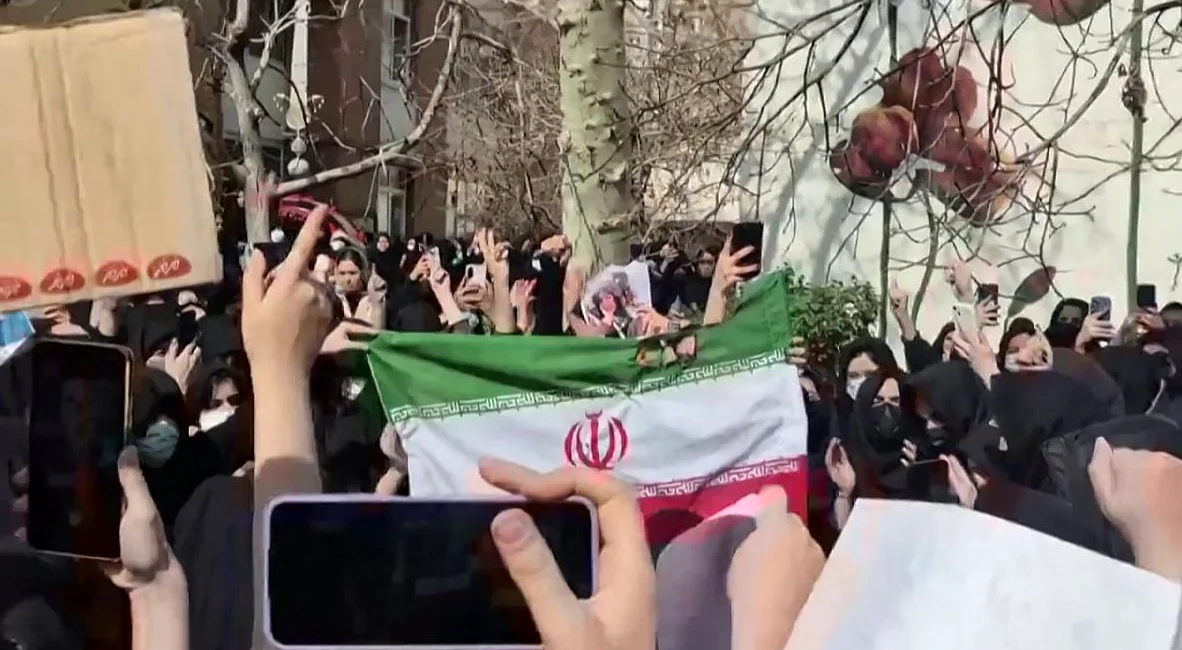
Indian medical students in Iran are unable to move out despite an advisory from the Indian Embassy in Tehran asking them to leave the country immediately in light of a possible US military strike. Students said a crucial exam coming up on March 5, which permits medical students to move from academics to a hospital environment, is the reason they are stuck.
Exam Deadline Holds Students in Iran
The Foreign Medical Students Wing of the All India Medical Students Association (AIMSA) has written to Prime Minister Narendra Modi on Monday, urging him to direct the Indian Embassy in Iran to coordinate with Iranian universities and authorities to postpone this specific exam for international students so they can return to India safely.
Dr. Mohammad Momim Khan, who oversees the foreign wing of AIMSA, told TNIE, ‘This exam, Olum-e-Paye, needs to be taken up after the completion of 2.5 years of the MBBS degree. Anywhere between 700 and 800 students who are in their third year of studies are stuck in Iran now.’
According to Dr. Khan, who is also the president of AIMSA’s J&K unit, approximately 3,000 Indian students are studying medicine in Iran. A majority of these students have already returned to India for their vacations during the last three weeks. However, those remaining are now unable to leave due to the upcoming exam.
Indian Embassy Advisory and Student Concerns
The Indian Embassy in Tehran had issued an urgent advisory asking Indian citizens to leave the country in light of potential US military action. However, the students are unable to comply with this directive due to the impending exam, which they argue is critical to their academic progression.
Dr. Khan explained that the exam is a mandatory step for students to transition from the academic phase of their MBBS degree to the clinical phase, where they begin working in hospitals. Without passing this exam, students cannot proceed to the next stage of their medical training.
‘Despite the urgent advisory from the Indian embassy, the exams are preventing them from leaving,’ Dr. Khan said in a communication on behalf of AIMSA. ‘We are appealing to the Prime Minister to intervene and find a solution so that these students can return to India safely.’
The situation has raised concerns among parents, educators, and medical professionals in India. Many fear that if the exam is not postponed, students may be forced to remain in Iran amid rising geopolitical tensions, potentially putting them at risk.
Geopolitical Tensions and Student Safety
The current crisis comes amid heightened tensions between the United States and Iran, with reports of increased military activity in the region. The Indian government has been closely monitoring the situation and has advised its citizens to exercise caution.
Indian students studying abroad have long faced challenges related to geopolitical instability. In recent years, similar situations have occurred in countries like Pakistan and Afghanistan, where students have been advised to return home due to security concerns.
The Indian Ministry of External Affairs has not yet commented on the specific request from AIMSA, but officials have emphasized their commitment to ensuring the safety of Indian citizens abroad. The embassy in Tehran is reportedly in constant communication with the students and is working to provide them with updated information on the situation.
The issue also highlights the growing number of Indian students opting to pursue medical education in countries like Iran, where the cost of medical education is significantly lower compared to India. According to a recent report, over 3,000 Indian students are currently enrolled in medical colleges in Iran, with the majority coming from states like Uttar Pradesh, Bihar, and Jharkhand.
Analysts say that the current situation highlights the need for better coordination between Indian embassies and universities abroad to manage such crises. ‘There is a need for a more proactive approach in dealing with situations like these,’ said a senior education policy analyst. ‘Students should not be left in limbo due to administrative or geopolitical reasons.’
What’s next is unclear. The Indian government is expected to respond to the appeal from AIMSA in the coming days, and the situation in Iran remains under close watch. The upcoming exam on March 5 could be a critical turning point for the students who are currently stuck in the country.





Comments
No comments yet
Be the first to share your thoughts