

 The Hindu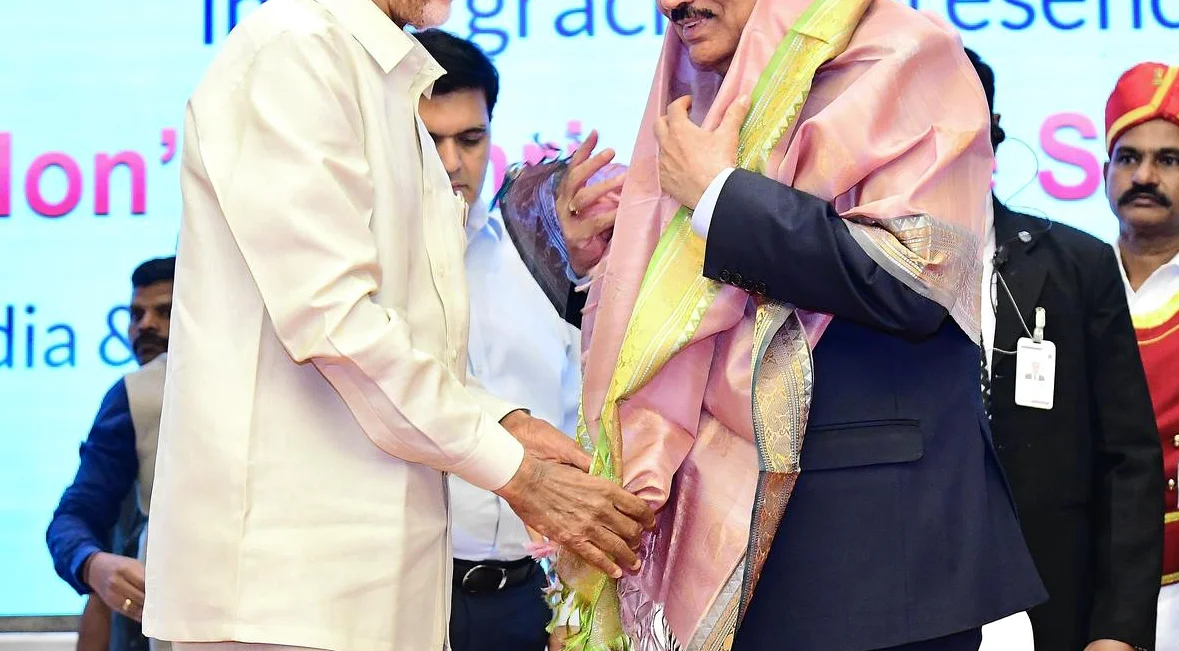
Chief Justice of India Surya Kant has emphasized the importance of supporting a ‘mediation culture’ in India to reduce the burden on the judiciary and promote amicable dispute resolution, according to a symposium held in Vijayawada on Sunday. Speaking at an event organized by the Andhra Pradesh State Legal Services Authority (APSLSA), Justice Kant highlighted that mediation is no longer an alternative but a preferred method for resolving conflicts.
Mediation’s Legal and Practical Foundations
The Chief Justice underscored that mediation has a statutory backing through the Mediation Act of 2023, which grants legal enforceability to resolutions reached through mediation. This legislative framework, he said, is crucial for encouraging public and institutional trust in the process.
Justice Kant noted that mediation is less costly and time-consuming compared to arbitration, and it has gained significant traction in foreign jurisdictions. He called on legal professionals, including members of the Bar, to play an active role in promoting mediation as a means of settling disputes.
He emphasized that the temperament, conduct, and integrity of mediators are key to successful outcomes. Drawing a historical reference, he mentioned Lord Krishna as a ‘codified mediator’ who attempted to mediate between warring groups, an effort that ultimately failed and led to the Mahabharata War.
Political and Institutional Support
Chief Minister N. Chandrababu Naidu of Andhra Pradesh highlighted the successful use of mediation in the state’s capital development project. He noted that the government persuaded 29,000 farmers to voluntarily contribute 33,000 acres of land for the development of Amaravati, the new capital city, through consensus and without significant conflict.
Naidu requested Justice Kant to consider establishing the National Judicial Academy in Amaravati and offered land in the Justice City area for legal institutions interested in relocating to the greenfield capital city. He also announced an increase in incentives for successful mediation cases, raising the reward from ₹3,000 to ₹10,000. For unsuccessful cases, the Chief Minister agreed to provide ₹3,000, as requested by Chief Justice Dhiraj Singh Thakur of the Andhra Pradesh High Court.
The symposium, titled ‘Mediation: Dialogue as Cornerstone of Justice,’ brought together prominent legal figures, including Supreme Court Judges J.K. Maheswari, P.S. Narasimha, Prashant Kumar Mishra, and S.V.N. Bhatti. Their presence highlights the growing recognition of mediation as a vital component of India’s legal system.
Implications for the Legal System
Justice Kant’s call for a ‘mediation culture’ could significantly ease the workload of India’s already overburdened judiciary. According to the National Judicial Data Grid, as of 2023, Indian courts were handling over 40 million pending cases, with a backlog that has been increasing annually.
Experts suggest that expanding mediation could reduce the number of cases reaching the courts, particularly in areas such as family disputes, commercial conflicts, and consumer grievances. The establishment of special mediation centers and the training of professional mediators are seen as essential steps in this direction.
Analysts have noted that the 2023 Mediation Act has already created a legal environment conducive to the growth of mediation. However, they argue that widespread adoption requires greater public awareness, institutional support, and the development of a strong network of trained mediators.
Justice Kant’s remarks are likely to influence policy discussions at both the state and national levels. The Chief Justice’s endorsement of mediation as a viable and enforceable alternative to traditional litigation could prompt further reforms aimed at streamlining dispute resolution mechanisms across India.
The move to incentivize successful mediation cases with higher rewards is a practical step toward encouraging more people to opt for this method. As the legal community continues to explore the potential of mediation, the success of this initiative will depend on sustained efforts to build public trust and institutional capacity.




Comments
No comments yet
Be the first to share your thoughts