

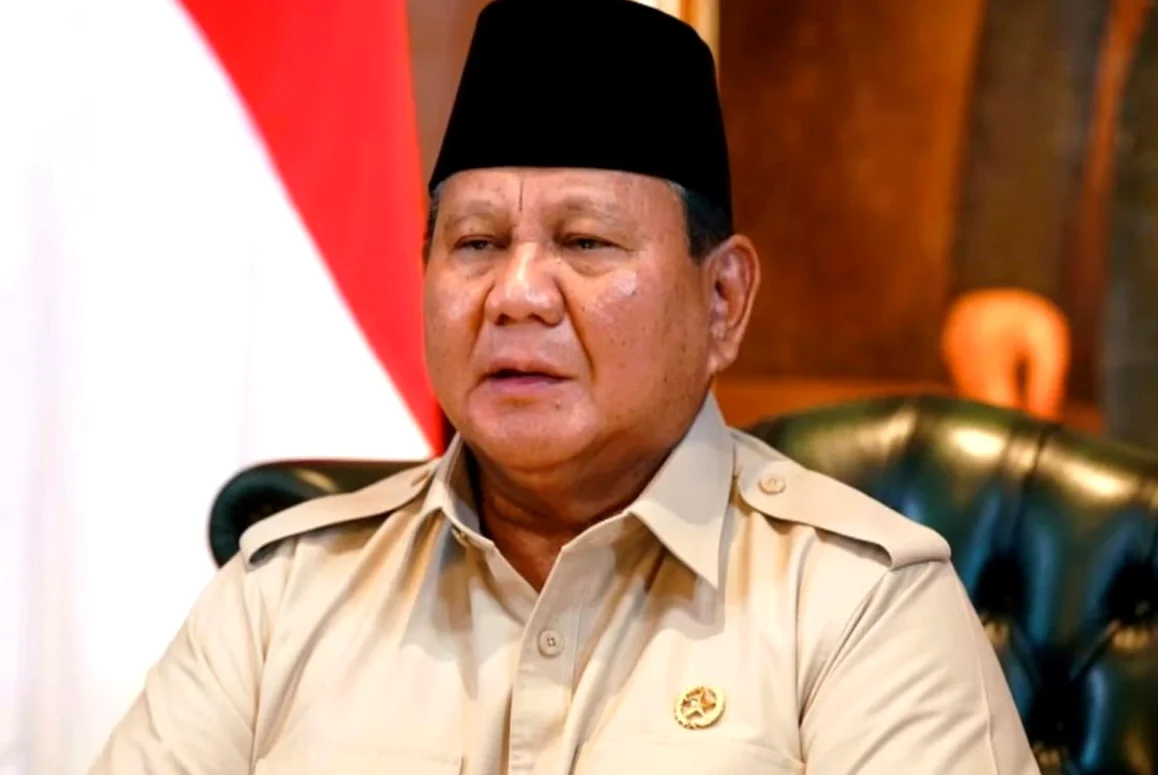
President Prabowo Subianto has expressed willingness to travel to Iran to facilitate dialogue aimed at restoring security and reducing escalation in the Middle East, the Indonesian Foreign Ministry announced Saturday. The ministry issued an official statement expressing regret over the recent failure of U.S.-Iran negotiations, which have contributed to military escalation in the region.
Indonesia’s Call for Diplomacy and Restraint
The Indonesian government urged all parties involved to exercise restraint and prioritize diplomacy in resolving disputes, emphasizing the importance of respecting the sovereignty and territorial integrity of all nations. In a statement from the Ministry of Foreign Affairs, the government said it is prepared to facilitate dialogue and, if both parties agree, will send the president to Tehran to conduct mediation.
“The government, through the President, is ready to facilitate dialogue and, if agreed by both parties, travel to Tehran to conduct mediation,” the ministry said. This statement highlights Indonesia’s long-standing commitment to maintaining global stability through its free and active foreign policy.
The ministry also warned that the rising tensions in the Middle East could disrupt both regional stability and global peace and security. In light of this, it urged Indonesian citizens in affected areas to remain calm, follow local authorities’ instructions, and stay in contact with nearby Indonesian representatives to ensure their safety.
Background on Failed Negotiations
Previously, the United States and Iran had held three rounds of indirect talks on Tehran’s nuclear program, mediated by Oman. The first two rounds were held in Muscat and Geneva earlier this month, focusing on limiting Iran’s uranium enrichment and stockpiles in exchange for sanctions relief. The third round took place on Thursday (February 26) in Geneva, but tensions continued to rise in the region.
These talks were part of broader efforts to address Iran’s nuclear ambitions and ease the growing crisis between the two countries. However, recent developments have left the negotiations in limbo, with no clear resolution in sight.
Indonesia’s involvement in the Middle East peace process is not new. Earlier this month, Indonesian and Malaysian leaders called for peace in the region, highlighting the importance of multilateral diplomacy in resolving conflicts. Related reports have also highlighted Indonesia’s key role in regional peace efforts, particularly in the context of the ongoing Iran-U.S. standoff.
What’s Next for Regional Diplomacy
The Indonesian government has not yet received a formal response to President Prabowo’s offer of mediation. However, the ministry has indicated that the government is prepared to take any necessary steps to support de-escalation and restore stability in the Middle East.
Experts suggest that Indonesia’s offer could provide a new avenue for dialogue, especially given the country’s neutral stance in international affairs and its history of supporting diplomatic relations between conflicting parties. The involvement of a third party, particularly one with strong regional influence, may help ease tensions and pave the way for renewed negotiations.
As the situation continues to develop, the Indonesian Foreign Ministry will likely monitor the situation closely and remain open to further diplomatic engagement. The ministry has also called for continued restraint from all parties involved and reiterated its commitment to peaceful resolution of disputes.
With tensions in the region showing no signs of abating, Indonesia’s willingness to mediate may prove to be a critical factor in shaping the next phase of the Middle East crisis.






Comments
No comments yet
Be the first to share your thoughts