

International Women’s Day 2026 is being marked with a renewed focus on the theme ‘Rights and Justice,’ emphasizing the need for systemic reform in the medical sector. This year, the conversation is not just about the right to work, but about ensuring women can thrive in their professions without compromise.
Medical Leadership and Systemic Reform
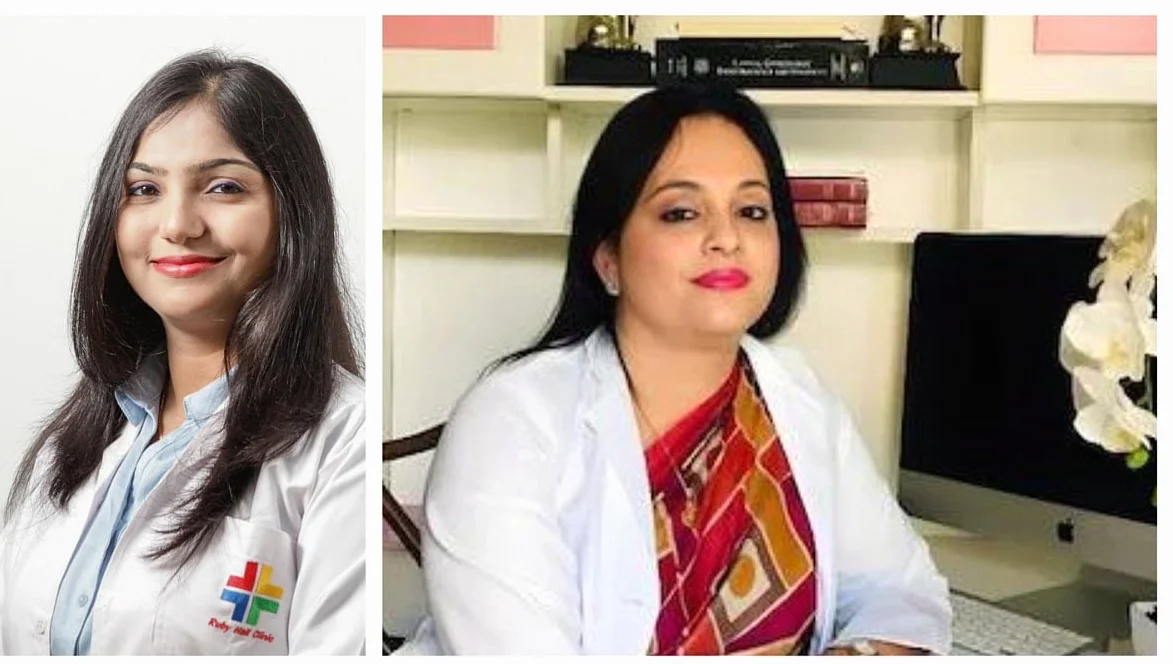
Dr Rashmi Bhamre, a consultant obstetrician and robotic surgeon at Ruby Hall Clinic in Pune, and Dr Nidhi Sharma Chauhan, a consultant gynaecologist at Saifee Hospital in Mumbai, are leading the charge in advocating for policy changes that support women in the medical field.
According to Dr Bhamre, one of the most critical policy changes needed in Indian hospitals is the creation of structured support systems for women doctors, especially during pregnancy and early motherhood. This includes flexible schedules, fair maternity policies, and accessible childcare facilities.
“Supporting women doctors ultimately strengthens the healthcare system and improves patient care,” Dr Bhamre said. “Flexible schedules and fair maternity policies are essential for women to continue their professional growth without being forced to choose between career and family.”
Breaking Cultural Barriers in Women’s Health
Dr Chauhan is focused on breaking the cultural taboos surrounding women’s health issues, such as menstruation, menopause, and infertility. She emphasizes the importance of normalizing these topics in public discourse.
“I strongly agree that topics like menstruation, menopause, infertility, and mental health are still not spoken about openly in many parts of India,” Dr Chauhan said. “The first and most powerful step is normalisation. Getting a period every month is a sign of good health. In fact, it is the absence of menstruation that should prompt a medical consultation, not the presence of it.”
Dr Chauhan believes that education must begin early, with both girls and boys being taught about puberty, menstruation, and reproductive health in schools. “If we start these conversations early in life, future generations will grow up viewing women’s health as normal and not taboo,” she said.
Empathy and Mentorship in Medicine
The theme of International Women’s Day 2026, ‘Give to Gain,’ reflects the essence of medicine, where giving time, knowledge, and energy to patients leads to trust, gratitude, and the privilege of making a difference. Dr Bhamre highlights the importance of mentorship in this cycle.
“When experienced professionals guide young girls and aspiring doctors, we create a stronger and more confident generation,” Dr Bhamre said. “I believe the true meaning of ‘Give to Gain’ lies in women supporting other women.”
Dr Chauhan emphasizes the power of empathy in her interactions with patients. “There have been many instances where being a woman and a doctor has allowed me to connect more deeply with my patients. Often, women come to the clinic not just with a medical issue, but with emotional burdens like infertility struggles, hormonal changes, family pressures, or feeling unheard at home,” she said.
“Beyond prescribing medicines or recommending surgery, listening with empathy and understanding their emotional state has helped rebuild their confidence. I remember patients who later told me that what made the biggest impact was not only the treatment plan but the fact that they felt heard and understood,” she added.
Both doctors emphasize that sustaining this level of giving requires personal resilience. Dr Chauhan shares her personal strategy for maintaining mental well-being in a high-stress environment.
“For me, my non-negotiable ritual for mental well-being is spending quality time with my family every single day. My husband is my biggest strength and support system. My parents are also a constant source of guidance and comfort. Most importantly, spending time with my children helps me de-stress. Seeing the world through their eyes reminds me to simplify things and not take everything too seriously all the time. Family, for me, is the strongest pillar of emotional resilience,” she said.
The story of International Women’s Day is one of continuous progress. As Dr Bhamre says, the advancement of women in medicine is the advancement of society itself: “As a gynaecologist, robotic surgeon, and fertility expert, I witness daily how healthcare is not only about treatment, but about restoring hope and transforming lives. Women in medicine are not only caregivers. We are builders of healthier families and stronger societies. When women doctors grow, communities grow with them.”






Comments
No comments yet
Be the first to share your thoughts