

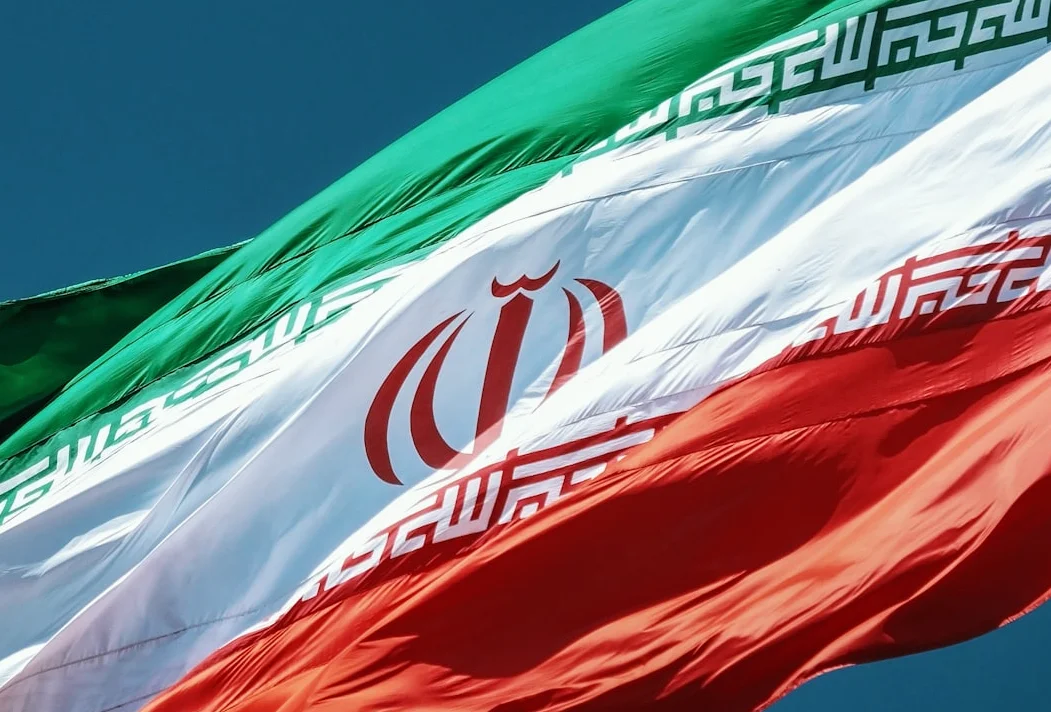
The Institute for the Study of War (ISW), a non-partisan, non-profit research organization focused on military affairs, has released a detailed analysis of the evolving situation in the Middle East, highlighting the deepening crisis involving Iran and its regional partners. The report. Dated March 23. 2026, reveals the growing instability in the region and the potential for further escalation in an already volatile environment.
Regional Alliances and Military Posturing
According to the ISW report. Iran has been actively strengthening its military ties with several regional actors, including Syria and Lebanon’s Hezbollah, while also engaging in covert operations in Iraq and Yemen. These efforts have raised concerns among Western and Gulf Arab nations, who fear a broader conflict in the region, as the report notes that Iran has increased its military presence in southern Iraq by 30% over the past six months, according to ISW analysts.
“Iran’s military posture in the region has become more assertive,” said a senior ISW analyst. “With the backing of its allies, Iran is testing the limits of its influence in a bid to reshape the geopolitical landscape.” The report also highlights that Iran has conducted 144 ballistic missile tests in the last year, a significant increase from previous years.
These developments have led to heightened tensions with the United States and its allies, particularly in the Gulf. The U.S. has warned that any further Iranian aggression could result in a direct military response. However, the report notes that diplomatic efforts are ongoing, with several rounds of talks scheduled between the U.S. and Iran in the coming weeks.
Impact on Regional Trade and Security
The growing instability in the Middle East has had a direct impact on regional trade and security. According to the report, shipping routes through the Strait of Hormuz have seen a 15% increase in delays due to heightened military activity. This has affected global oil trade, with several major shipping companies reporting increased costs and longer transit times.
“The situation in the Strait of Hormuz is a critical concern for global energy markets,” said a maritime analyst at a London-based think tank. “Any disruption to this vital waterway could have far-reaching economic consequences.” The report also notes that several Gulf countries are investing heavily in alternative shipping routes to mitigate the risks posed by potential conflicts in the region.
In addition to trade concerns, the report highlights the growing threat to regional security. The presence of Iranian-backed militias in Iraq and Syria has raised fears of a broader regional conflict. “The risk of a full-scale war is not negligible,” said an ISW analyst. “With both sides showing signs of military preparedness, the situation remains highly volatile.”
What’s Next for the Region
The ISW report outlines several key developments that could shape the region in the coming months. First, the scheduled diplomatic talks between the U.S. and Iran are expected to be a major point of discussion. The report suggests that both sides are seeking a compromise, but the chances of a lasting agreement remain uncertain.
Second, the report notes that several Gulf Arab nations are preparing for potential military responses to Iranian aggression. This includes increased military exercises and the deployment of additional troops to the region. The report also mentions that the U.S. has been conducting more frequent air patrols over the Gulf, a move that is seen as a deterrent against Iranian actions.
Third, the report highlights the role of Russia and China in the region. Both countries have been increasing their influence in the Middle East, with Russia maintaining a strong presence in Syria and China investing in several Gulf countries. “The involvement of external powers complicates the situation further,” said an ISW analyst. “It adds another layer of uncertainty to an already complex geopolitical landscape.”
The report also includes a detailed timeline of key events leading up to the current crisis. It notes that the first major escalation occurred in January 2026, when Iran launched a series of missile strikes against U.S. military bases in Iraq. This was followed by a series of retaliatory measures from the U.S., including increased sanctions and military drills in the region.
Looking ahead, the report suggests that the situation will likely remain tense unless a diplomatic resolution is reached. The ISW analysts warn that the risk of a full-scale conflict is still present, but they also note that both sides have an interest in avoiding a direct confrontation.
“While the situation is dire, there are still avenues for de-escalation,” said a senior ISW analyst. “The key will be whether both sides can find common ground before tensions spiral out of control.”






Comments
No comments yet
Be the first to share your thoughts