

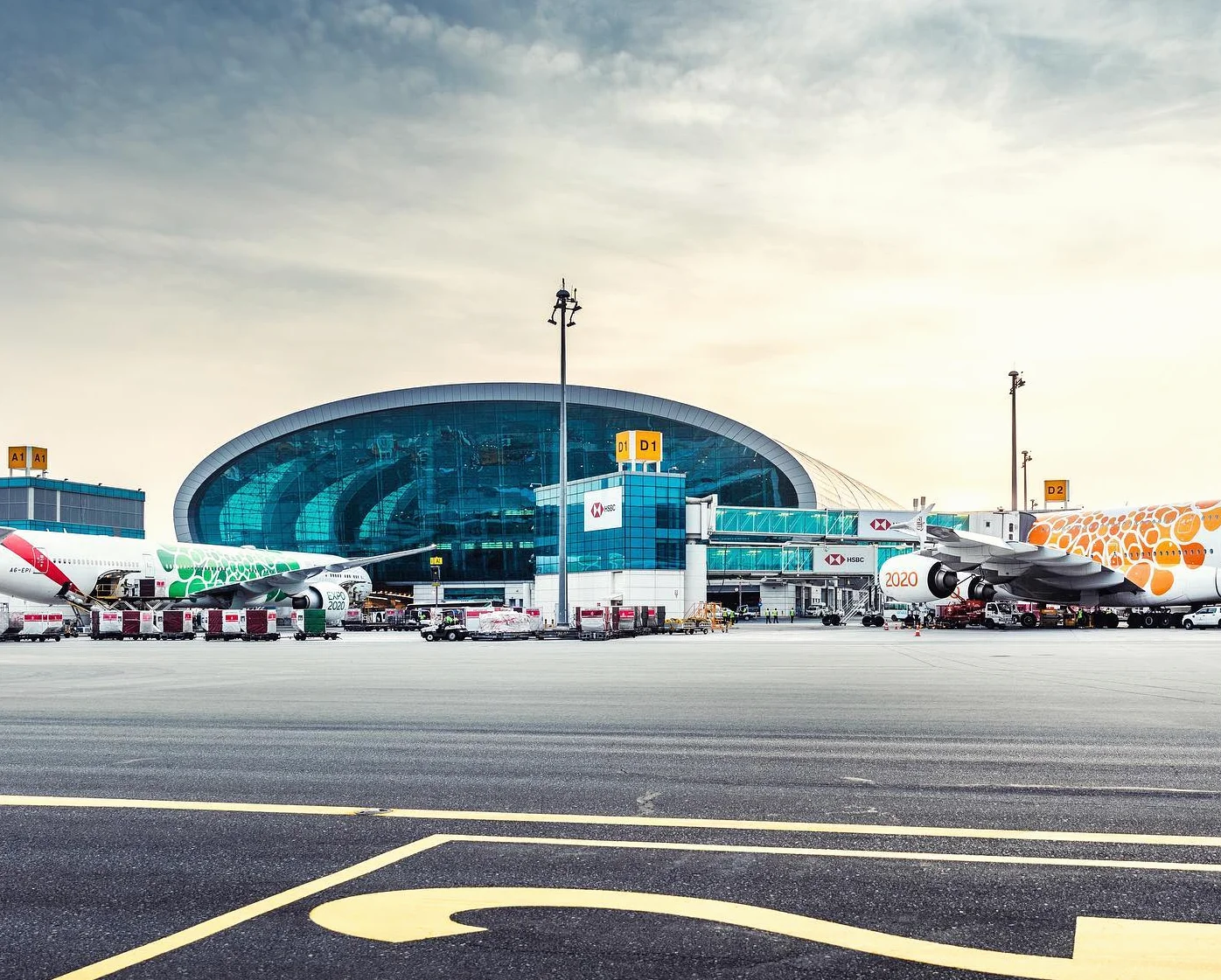
Iran launched another attack on Dubai International Airport on Thursday, causing immediate chaos as flights were suspended and diverted to Al Maktoum International Airport. The assault, which occurred shortly after a similar strike in early March, marked the second major disruption to the region’s air traffic in less than two months.
Impact on Regional Air Travel
The attack forced Emirates Airline, Dubai’s largest carrier, to halt all operations at Dubai International Airport, one of the busiest in the Middle East. Flights were rerouted to Al Maktoum International Airport, located 35 miles east of Dubai, as authorities scrambled to assess the damage and ensure passenger safety.
According to aviation sources, approximately 20 flights were diverted during the incident, with delays expected to last several hours. While operations were briefly suspended, Emirates announced that flights resumed within two hours of the attack, indicating that the infrastructure remained largely intact.
Tehran’s De-Escalation Statement
In a statement released shortly after the attack, Iranian officials expressed regret over their actions and claimed they would no longer conduct attacks on neighboring Arab states unless provoked. This marks a significant shift in Tehran’s strategy, which had previously been characterized by targeted strikes aimed at pressuring Gulf nations to oppose U.S. military presence in the region.
“We will not launch these attacks unless we are first attacked by one of these countries,” said an unnamed Iranian official in a televised address. The statement followed a series of coordinated strikes that have raised concerns about regional stability and the potential for broader conflict.
Strategic Shift in Iranian Policy
Analysts suggest that Iran’s recent actions reflect a strategic recalibration. The attacks on Dubai and other Gulf cities had previously been seen as a way to increase pressure on Arab states to demand a reduction in U.S. military involvement in the region. However, the growing risk of a unified Arab front against Iran appears to have prompted a change in strategy.
“Iran has realized that attacking civilian infrastructure and targeting civilians may be counterproductive,” said Dr. Amina El-Khatib, a regional security analyst based in Cairo. “There is a clear shift in messaging now, which could be an early sign of de-escalation or a tactical maneuver to avoid further escalation.”
Iran has previously denied targeting civilians directly, but recent strikes on airports and commercial centers have raised questions about the nature of these attacks. The latest statement from Tehran suggests that these actions were not part of a long-term strategy to force Arab states into a unified stance against the U.S.
According to recent reports, the attacks on Dubai and other Gulf cities have increased the likelihood of a collective Arab response. The Gulf Cooperation Council (GCC) has held emergency meetings to discuss potential countermeasures, including increased military cooperation among member states.
What’s Next for Regional Tensions
With the latest strike and subsequent de-escalation statement, the region now faces a critical juncture. The next 48 hours will be crucial in determining whether Iran’s new policy will lead to a reduction in hostilities or if further attacks could trigger a broader conflict.
Experts warn that while the recent statements from Iran may signal a potential de-escalation, the situation remains volatile. The GCC is expected to meet again within the next week to discuss coordinated responses to Iranian aggression.
“The key will be whether Iran follows through on its statements or if this is merely a temporary pause in hostilities,” said Dr. El-Khatib. “The region is on a knife’s edge, and any miscalculation could lead to a full-scale conflict.”
As flights resume and the dust settles, the world watches closely to see if this marks the beginning of a new phase in the Middle East’s ongoing struggle for stability and security.





Comments
No comments yet
Be the first to share your thoughts