

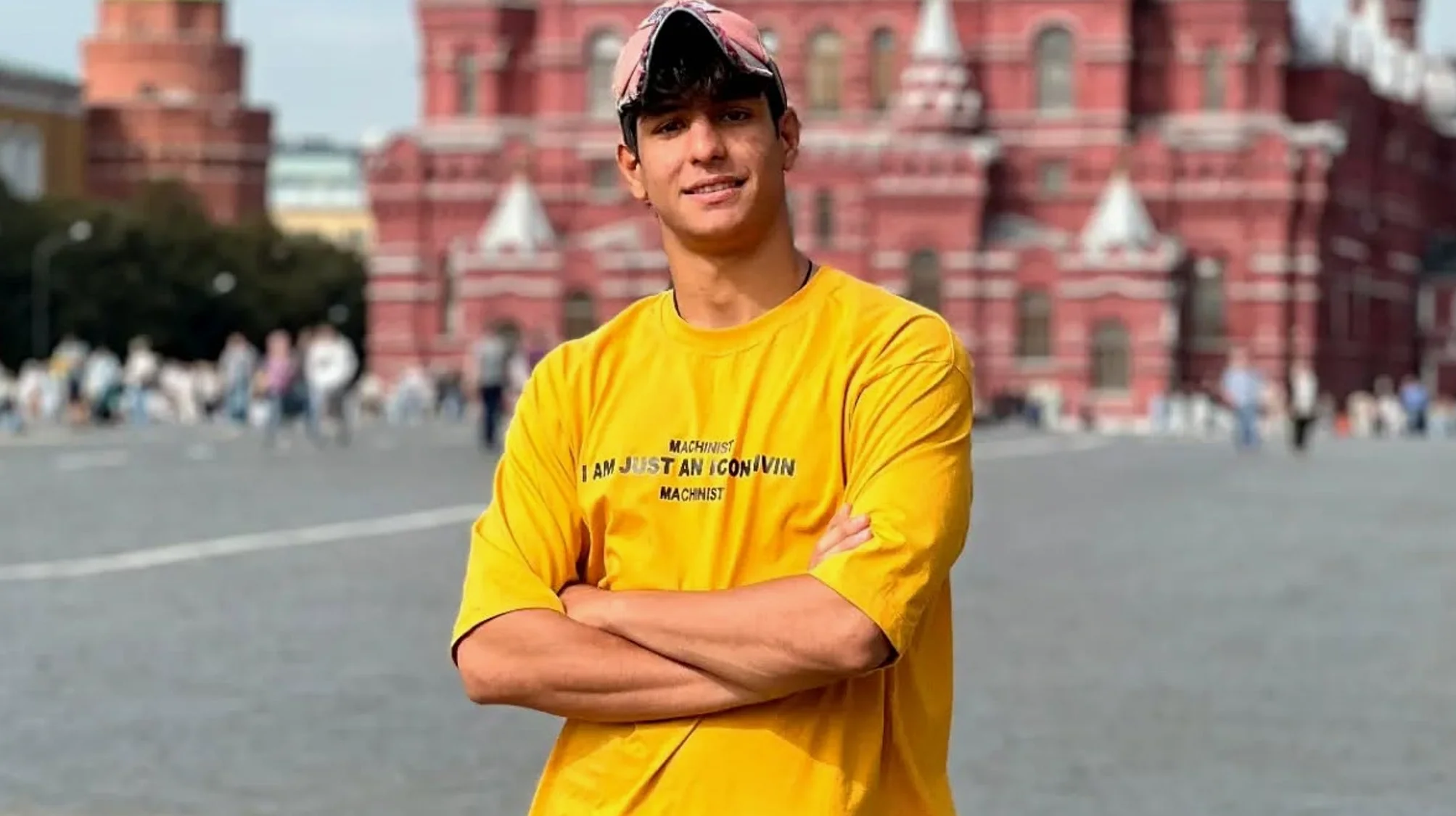
Saleh Mohammadi, a 19-year-old champion wrestler, was publicly executed in Iran on Thursday for his involvement in protests against the regime. The execution took place in Qom, where Mohammadi, along with two other individuals, were hanged in front of a group of people, according to the Iran Human Rights non-government organization (IHRNGO).
Accusations and Context of the Execution
Mohammadi, Saeed Davodi, and Mehdi Ghasemi were accused of being involved in the murders of two police officers during recent nationwide unrest. These protests occurred before the country faced attacks from the U.S. and Israel. The IHRNGO stated that these three individuals are the first to be hanged in connection with the protests, signaling a potential escalation in the regime’s crackdown on dissent.
Combat athlete and human rights activist Nima Far criticized the execution, calling it a “blatant political murder” by Iran. He accused the regime of targeting athletes to “crush dissent and terrorize society.” Nima further argued that Iran should be banned from international competitions until it halts the executions of protesters and athletes, releases those jailed in sham trials, and stops retaliating against competitors who speak out or defect.
According to the IHRNGO, Mohammadi’s trial was “grossly unfair.” The organization’s director, Mahmood Amiry-Moghaddam, stated that Mohammadi was tortured and coerced into confessing. He warned that protesters are at “risk of mass executions,” noting that the Islamic Republic is “fighting for its survival” and sees the Iranian people as the greatest threat to its existence.
Impact on Sports and Human Rights
Mohammadi was a decorated athlete who won several wrestling tournaments in Russia and Iran. He had qualified for the Iranian national team in 2023, indicating a promising career in combat sports. His execution has drawn international condemnation and raised concerns about the treatment of athletes and activists in Iran.
The incident has sparked discussions about the intersection of sports and human rights. Nima Far emphasized that athletes like Mohammadi are often targeted for their public profiles, which can amplify messages of dissent. He argued that banning Iran from international competitions would send a clear message to the regime about the consequences of its actions.
The IHRNGO has documented numerous cases of political prisoners and activists being subjected to unfair trials and harsh punishments. Mohammadi’s case adds to a growing list of athletes and protesters who have faced severe repercussions for their activism.
What’s Next for Iran and Its Protests
The execution of Mohammadi is likely to intensify the existing unrest in Iran. Protests have been ongoing for several months, with demonstrators demanding an end to the regime’s policies and increased freedoms. The regime’s response has been increasingly severe, with reports of mass arrests, detentions, and executions.
Amiry-Moghaddam warned that the Islamic Republic is “fighting for its survival” and that the greatest threat to its existence comes from the Iranian people. He said that the regime’s actions are aimed at quelling dissent and maintaining control over the population.
The international community has yet to respond formally to Mohammadi’s execution. However, human rights organizations and activists are calling for increased pressure on Iran to address the situation. Some countries have already imposed sanctions on Iran in response to its human rights violations, and further measures may be considered.
Analysts suggest that the regime’s crackdown on dissent may lead to further unrest or even a larger-scale protest movement. The execution of a high-profile athlete like Mohammadi could serve as a catalyst for more widespread demonstrations, as his case highlights the regime’s willingness to use extreme measures against its critics.
The future of Iran’s political landscape remains uncertain. With the regime showing no signs of backing down, the risk of further violence and repression continues to loom. The international community will be watching closely to see how the situation develops and whether there will be any meaningful response to the regime’s actions.






Comments
No comments yet
Be the first to share your thoughts