

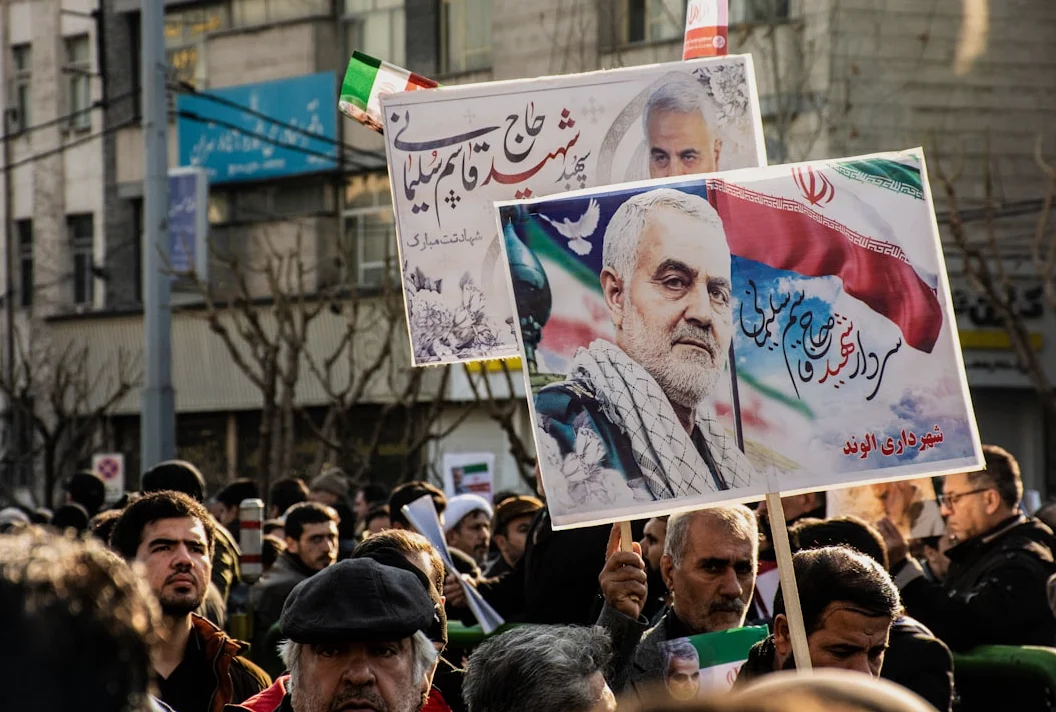
As tensions escalate between Iran and the U.S., global economists warn of a potential economic crisis, with rising food prices, U.S. munitions shortages, and regional economic instability emerging as key concerns.
Escalating Food Prices and Global Supply Chains
Food price inflation has become a central issue as the potential for war between Iran and the U.S. intensifies. According to NBC News, the threat of conflict is already driving up global commodity prices, with wheat and oil markets showing early signs of stress. Iranian officials have warned that any military action could disrupt critical agricultural exports, particularly from the Persian Gulf region, which supplies a significant portion of the world’s rice and dates. Meanwhile, the U.S. Department of Agriculture has noted increased volatility in grain markets, with traders speculating on the likelihood of sanctions or blockades affecting supply chains.
Local impacts are being felt in countries like Egypt and Pakistan, which heavily rely on Iranian agricultural imports. In Cairo, food price inflation has reached 15% in the past month, according to Al-Ahram, a prominent Egyptian newspaper. Similarly, in Pakistan, the price of lentils has risen by 20% since early 2025, with traders citing fears of supply disruptions from Iran. These regional effects highlight the interconnectedness of global food markets and the potential for localized economic crises.
According to vocal.media, the economic ripple effects are not limited to food. The article suggests that the looming war could trigger a broader inflationary wave, affecting not just commodities but also consumer goods and services. This perspective aligns with reports from the International Monetary Fund, which has warned of potential stagflation in regions with high import dependency, such as the Middle East and North Africa.
U.S. Munitions Shortages and Defense Industry Pressures
The potential for war has also placed unprecedented pressure on the U.S. defense industry. According to aktien.news, the U.S. is facing a looming munitions shortage, with defense contractors warning that increased demand for military equipment could outstrip current production capabilities. This shortage is particularly acute in the production of precision-guided missiles and drones, which are critical for modern warfare. The article notes that the U.S. military has already begun stockpiling weapons in anticipation of potential conflict, but industry experts warn that the timeline for scaling up production could be too slow.
One of the key factors contributing to the shortage is the global supply chain disruption caused by the ongoing conflict in Ukraine and the economic sanctions on Russia. These issues have already strained the availability of certain materials, such as rare earth metals used in advanced weapons systems. Additionally, the U.S. has been working to diversify its defense manufacturing base, but this process is expected to take several years to bear fruit.
According to the Pentagon, the U.S. has identified several critical components that are currently in short supply, including certain types of radar systems and electronic warfare equipment. The military has been engaging with private sector partners to accelerate production, but the challenge remains significant. This shortage could have far-reaching implications for U.S. military readiness and its ability to respond to potential threats in the region.
Regional Economic Instability and Investment Flows
The potential for war has also raised concerns about regional economic stability, particularly in the Middle East. According to CIDOB, the conflict between Iran and the U.S. could lead to a significant shift in investment flows, with many multinational corporations reconsidering their presence in the region. The report notes that several major oil and gas projects in the Gulf have been delayed or put on hold due to the uncertainty surrounding the conflict.
In addition to investment concerns, the potential for war has also impacted the financial markets of the region. The Dubai Financial Services Authority has issued warnings about increased volatility in the Gulf’s financial sector, with some analysts predicting a potential decline in stock prices and a rise in credit risk. This instability could have broader implications for the global economy, as the Gulf region is a key player in international trade and energy markets.
According to the International Energy Agency, the potential for war could disrupt the flow of oil and gas from the region, leading to a significant increase in global energy prices. This could have a ripple effect on economies that rely heavily on imported energy, such as India and China. The agency has also warned that prolonged conflict could lead to long-term damage to the region’s infrastructure and economic development.
What’s Next and Forward-Looking Implications
As the situation continues to develop, the international community is closely watching the potential for war between Iran and the U.S. According to experts, the immediate focus will be on diplomatic efforts to de-escalate tensions and prevent the conflict from spiraling out of control. The United Nations has called for increased dialogue between the two nations, emphasizing the need for a peaceful resolution to the crisis.
However, the economic consequences of a potential war are already being felt, and the long-term implications could be significant. According to the World Bank, the conflict could lead to a prolonged period of economic stagnation in the affected regions, with potential impacts on global trade and investment. The organization has also warned that the crisis could exacerbate existing economic inequalities and lead to increased poverty in vulnerable populations.
Looking ahead, the international community will need to work together to address the economic and humanitarian challenges posed by the potential conflict. This includes providing support to affected populations, investing in economic development in the region, and promoting peace and stability through diplomatic channels. The outcome of the current tensions will have far-reaching implications for the global economy and the future of international relations.






Comments
No comments yet
Be the first to share your thoughts