

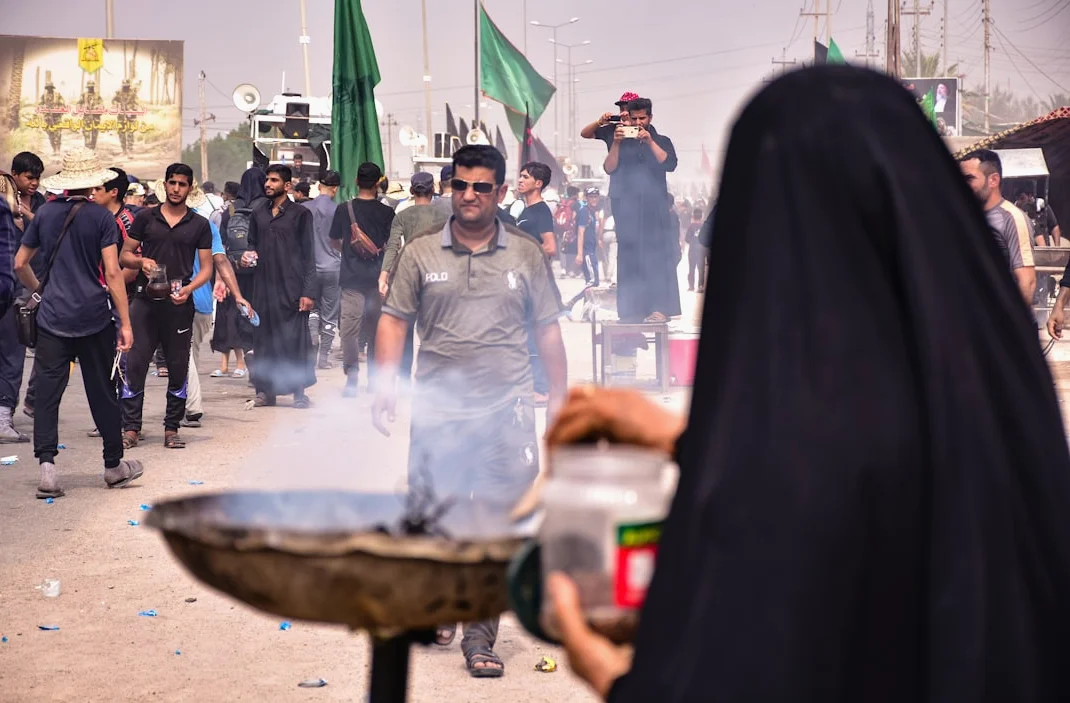
Iranian civilians are reportedly receiving defense training, a move that signals a shift in the country’s security strategy, while this trend is occurring against a backdrop of escalating military activities involving Iran, the United States, and other regional actors. The training is part of a broader effort to prepare the population for potential military engagements.
Missile Attacks and Defense Systems
Iran’s recent military actions have included targeting U.S; THAAD/TPY-2 radar systems, which are critical to missile defense operations, but Retired U.S. brigadier general Karako highlighted the significance of these attacks, noting that suppressing such systems is a key objective in modern warfare. “This is a big freaking deal. ” Karako said — “We go in and we suppress enemy air defenses on hour one. That’s the first thing you do.”
Iran’s targeting of these systems raises concerns about the vulnerability of U.S. and allied defense infrastructure. According to Karako. The past 10 months have seen a dramatic improvement in the ability to intercept ballistic missiles, but cruise missile threats remain a challenge. “What is getting through appears to largely be these cruise missiles, and People call them drones, but when you have a 1,000-kilometer range UAV, it deserves to be called a cruise missile,” he said.
Iranian Drones in Ukraine and Lebanon
The Shahed-136, an Iranian drone rebranded as the Geran-2 by Russia, has been deployed in the war in Ukraine. Ukrainian forces have shot down at least 18 of these drones since September 12. Oleg Katkov, editor-in-chief of the Ukrainian portal Defense Express, explained that the Shahed-136 is a loitering ammunition or kamikaze drone. It is not designed for reconnaissance and is disposable, relying solely on satellite navigation for targeting stationary objects.
On September 23, three of these drones attacked Odesa, killing one civilian and injuring another. Despite the relatively low cost and simplicity of these drones, their impact on infrastructure and civilian life is significant. According to Katkov, the drones use GPS or GLONASS for guidance, making them a persistent threat. “It is guided exclusively to stationary objects by the coordinates it receives from satellite navigation systems,” he said.
Global Calls for Ceasefire and De-escalation
Amid the rising tensions, the International Federation of Journalists (IFJ) and the Global Union Federations (GUFs) have called for an immediate ceasefire and an end to military escalation in the region. “Workers, civilians, and public institutions must never be targets of military operations,” the GUFs stated. They condemned attacks on schools, hospitals, and other protected civilian spaces, calling such actions intolerable.
The GUFs emphasized the need for diplomacy over armed confrontation. “Diplomacy — not armed confrontation,remains the only legitimate path toward security and lasting peace,” they said. They called on the international community to prioritize de-escalation, protect critical infrastructure, and uphold human rights and democratic freedoms in the region.
As Iran continues to involve civilians in its defense strategy, the global community faces growing challenges in addressing the humanitarian and security implications of the conflict. The situation remains volatile, with fresh strikes reported in Israel, Iran, and Lebanon, raising fears of wider regional instability and disruption to global energy supplies.






Comments
No comments yet
Be the first to share your thoughts