

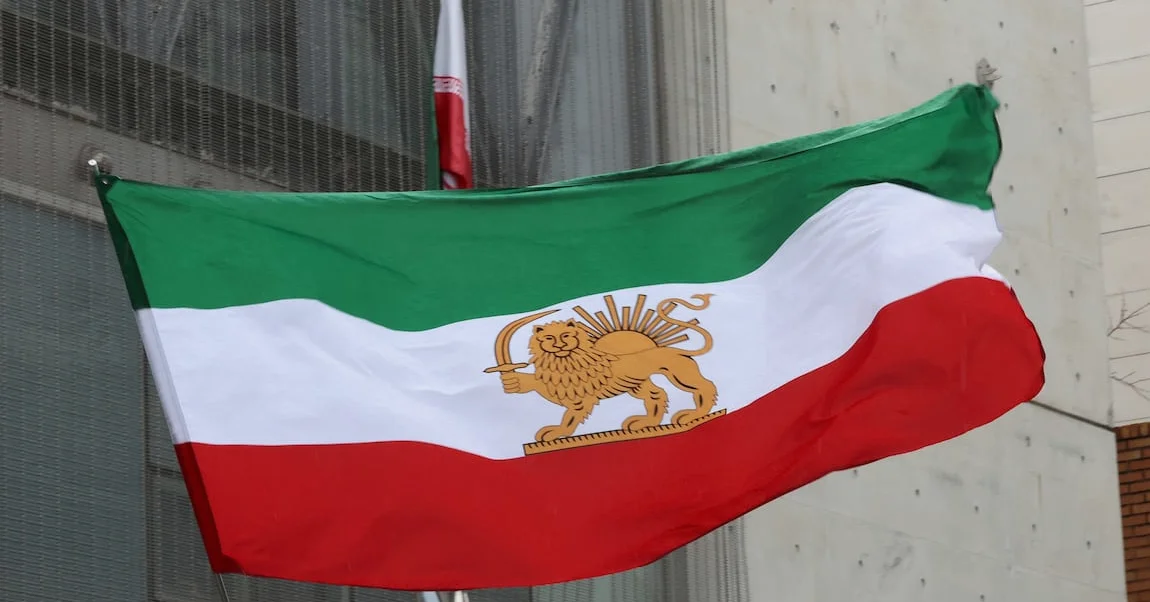
As the death of Iran’s Supreme Leader Ayatollah Seyyed Ali Khamenei on March 1 sparked initial celebrations among Iranians around the world, the mood has quickly turned to apprehension as the regime retaliates against the United States and Israel. Expatriates in South Korea, many of whom rely on digital communication with loved ones in Iran, are now facing a complete blackout, leaving them in the dark about their families’ safety.
Communication Channels Shut Down
Gazale, a 30-year-old Iranian student at Korea University, described the sudden loss of contact with her family in Tehran. ‘I usually communicate with my family via social media, but all channels are now blocked,’ she said during a phone interview with this newspaper. ‘After they sent a message saying, ‘We are safe, don’t worry,’ following an American airstrike, I’ve heard nothing since.’
The communication blackout has left many Iranians in South Korea in a state of limbo, unsure whether their loved ones are safe. Alman Zangeneh, a 49-year-old Iranian who has lived in South Korea for 27 years, said, ‘I was happy about Khamenei’s death yesterday, but after a day, I’m worried — when will this war end? What if something happens to my family?’
Social Gatherings Turn to Anxiety
On the evening of March 1, over 60 Iranians gathered at a bar in Seongsu-dong, Seongdong-gu, Seoul, to celebrate the news of Khamenei’s death. Naz, a 30-year-old attendee, said, ‘I couldn’t believe the news when I first heard it. I decided to hold this party to share the joy, even if it’s just here in Korea.’
But the mood has shifted dramatically in the days that followed. As Iran launched retaliatory strikes against U.S. military bases in neighboring Middle Eastern countries like Qatar and Kuwait, fears of a prolonged war have intensified. The uncertainty surrounding the situation has led to a palpable sense of dread among the Iranian community in South Korea.
Travel Restrictions and Panic in the Middle East
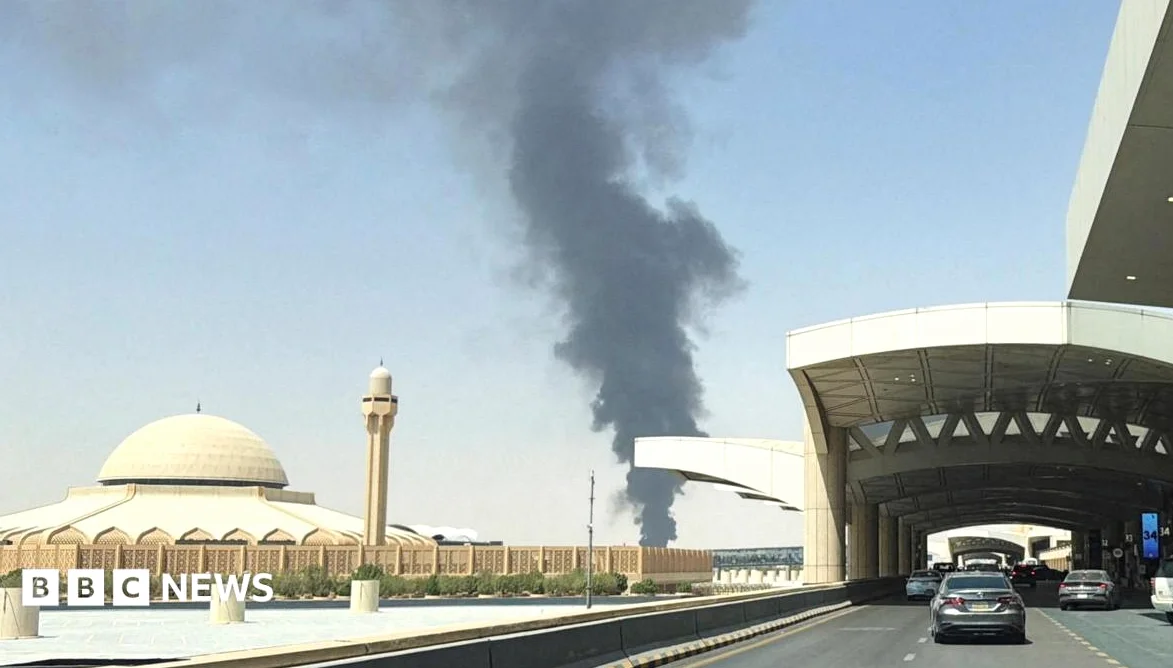
The crisis has also disrupted international travel, with flights through major Middle Eastern hubs like Dubai being canceled en masse. A South Korean employee dispatched to Saudi Arabia, identified only as Mr. A, said, ‘My company instructed us not to leave Saudi territory, so I’ve canceled all my vacation plans. I’m worried the Middle East conflict might escalate, making Saudi Arabia unsafe too.’
In Dubai, panic over potential escalation has led to widespread hoarding of essential goods. Social media chat rooms in the region have flooded with messages like, ‘Rice and milk are sold out,’ and ‘Delivery apps are down; I have to shop in person.’ The situation has created a sense of unease among expatriates and locals alike, with many fearing the worst.
The death of Khamenei, who had been the leader of Iran since 1989, marked a significant turning point in the country’s political landscape. However, the uncertainty surrounding the succession and the immediate retaliation by Iran have left many questioning the stability of the region.
According to analysts, the current situation is reminiscent of the 2019-2020 tensions between Iran and the United States, which saw a series of retaliatory strikes and diplomatic standoffs. However, the scale of the current crisis appears to be more severe, with multiple countries now involved.
As the situation continues to unfold, the Iranian community in South Korea is bracing for the worst. ‘We need to stay connected, but we can’t even talk to our families,’ said Gazale. ‘It’s terrifying not knowing what’s happening on the other side of the world.’
With no clear resolution in sight, the international community is closely monitoring the developments in Iran and the Middle East. The coming days will be crucial in determining whether the conflict escalates or if a diplomatic solution can be reached.

Comments
No comments yet
Be the first to share your thoughts