

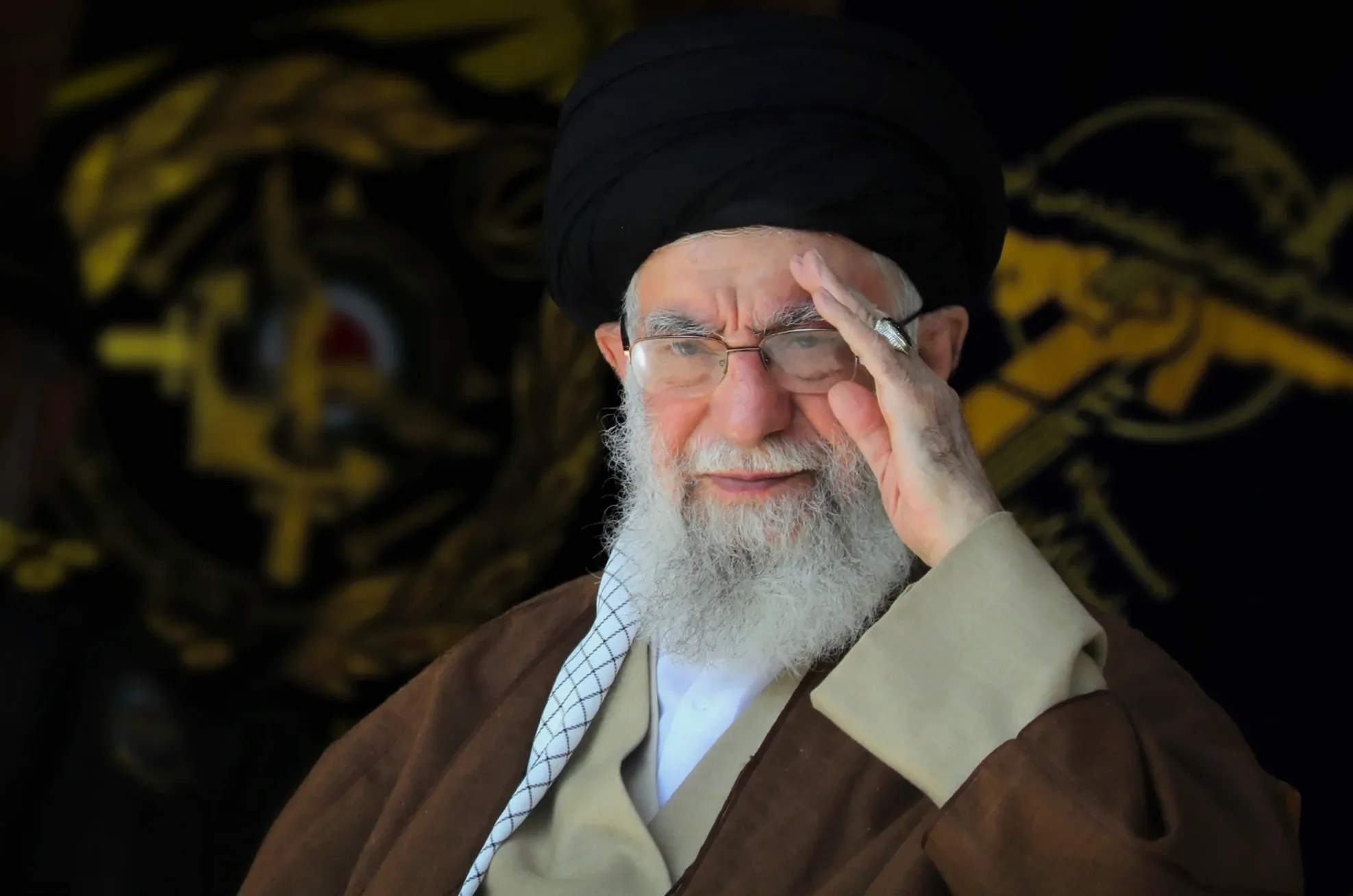
Ayatollah Ali Khamenei, Iran’s Supreme Leader, has been confirmed dead following Israeli and US strikes, marking the end of a 36-year rule that reshaped Iran’s political system and its posture towards the West. His death closes a defining chapter in the history of the Islamic Republic, a state he did not found, but one he came to dominate more completely than any leader since the 1979 revolution.
Origins and Rise to Power
Khamenei did not found the Islamic Republic. That role belongs to Ruhollah Khomeini, who led the 1979 revolution that toppled Shah Mohammad Reza Pahlavi. The post of Supreme Leader was enshrined in the new constitution, granting a senior cleric ultimate authority over elected institutions. Khamenei stepped into that structure after Khomeini died in 1989 and gradually consolidated its powers.
Before becoming Supreme Leader, Khamenei served as Iran’s president from 1981 to 1989. He was elected with 97 percent of the vote in a tightly controlled election during the turbulent Iran-Iraq War. That same year, he narrowly survived an assassination attempt when a bomb hidden inside a tape recorder exploded beside him. The attack, attributed to the Mujahedin-e Khalq, left his right arm partially paralysed.
Political Longevity and Control
Since assuming leadership in 1989, Khamenei’s 36-year tenure makes him the longest-serving head of state in the Middle East and Iran’s longest-serving leader since the Shah. At 86, his political longevity has shaped every major domestic and foreign policy decision in modern Iran.
As Supreme Leader, Khamenei commands the armed forces, appoints the chief of the judiciary and heads of the state media, and exerts decisive influence over foreign policy and national security. Although Iran holds presidential and parliamentary elections, candidates are vetted by the Guardian Council, whose members are directly or indirectly appointed by him. In practice, this gives him direct or indirect control over the executive, legislative, and judicial branches.
Central to his authority is the loyalty of the Islamic Major Guard Corps (IRGC) and the Basij paramilitary force. These institutions, numbering hundreds of thousands, are not only military actors but also economic and political players, forming the backbone of regime stability during internal unrest.
Foreign Policy and Economic Challenges
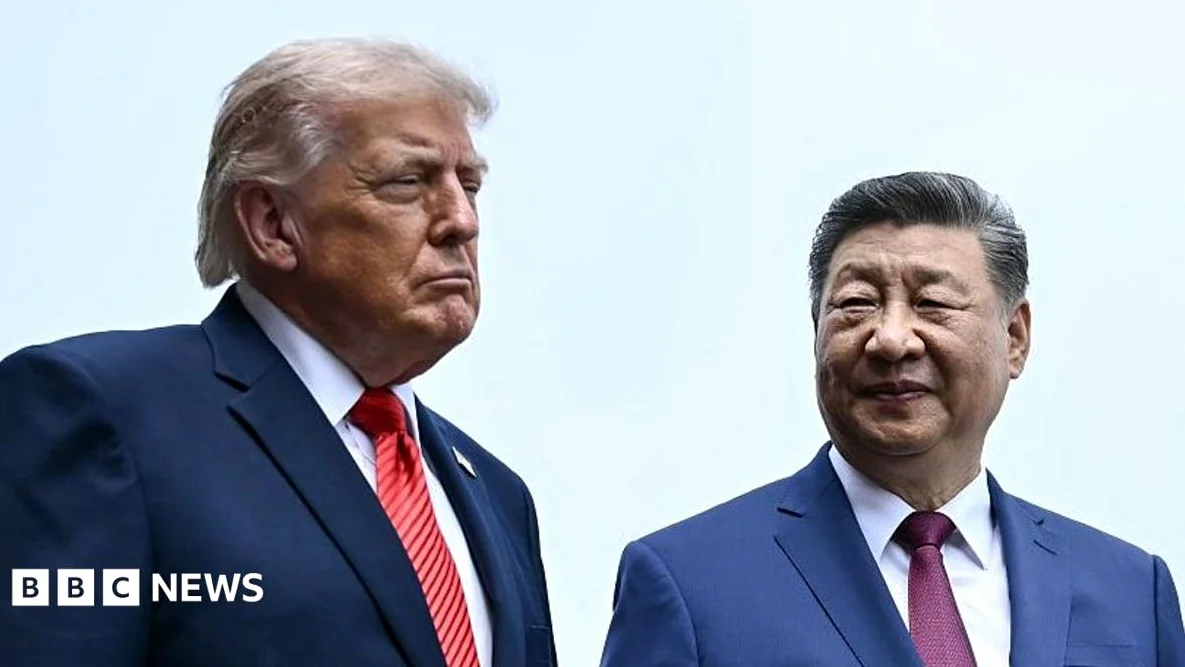
Khamenei has long described the United States as Iran’s ‘number one enemy’, with Israel close behind. Yet he endorsed the 2015 nuclear agreement negotiated under President Hassan Rouhani. The deal briefly eased sanctions before US President Donald Trump withdrew from it in 2018, reimposing economic pressure and reigniting tensions.
Iran’s nuclear programme has been a defining feature of Khamenei’s leadership. Under heavy sanctions, he what he called a ‘resistance economy’ aimed at reducing reliance on Western markets and strengthening domestic production. Still, inflation, unemployment, and economic hardship have fuelled waves of protests, notably in 2009, 2019, and 2022.
Khamenei’s rule has not been uncontested. Mass protests erupted after the disputed 2009 presidential election, followed by economic demonstrations in 2019 and widespread rights-based protests in 2022. Each wave tested the regime’s resilience and reinforced the role of security forces in maintaining order.
Despite his immense political visibility, little is publicly known about his personal life. He is married and has six children. Some extended relatives reportedly live abroad, including in Paris, while his immediate family remains in Iran. The identities of most grandchildren are not widely disclosed.
Often portrayed as austere and stern, Khamenei has a quieter side. He reportedly enjoys poetry and gardening and has been photographed tending plants with a simple plastic watering can. In his younger years, he was known to smoke a pipe, an unusual habit for a cleric.
Despite wielding vast constitutional authority, he is said to live modestly and rarely travels outside Iran.
Comments
No comments yet
Be the first to share your thoughts