

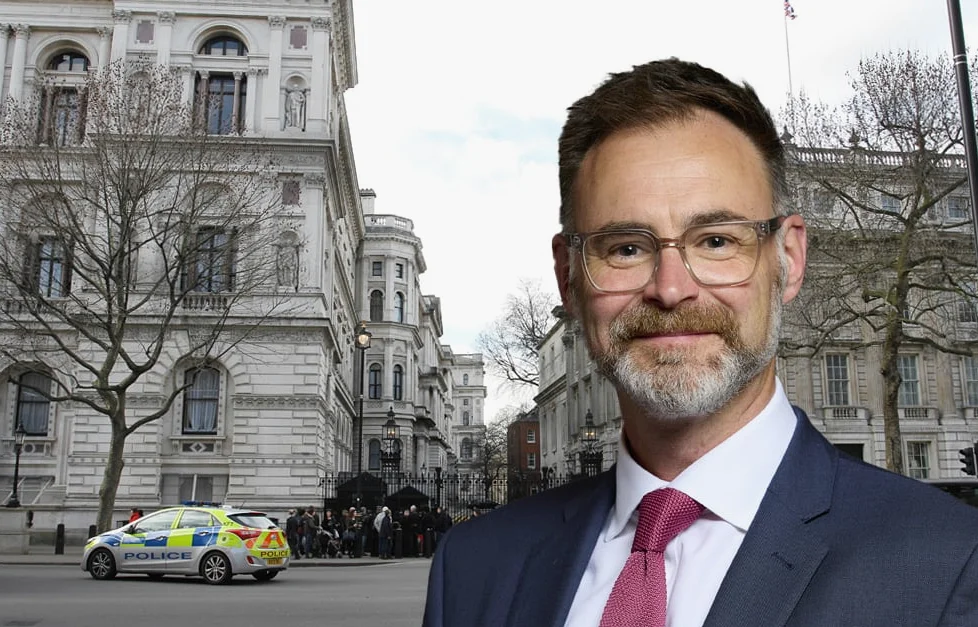
Richard Quigley, the Labour MP for Isle of Wight West, has defended his decision to vote against the council’s 2026/27 budget, which includes £6 million in cuts to council services. The decision has sparked a heated debate over funding and governance on the island, with Quigley criticizing the Conservative and Liberal Democrat groups for not supporting a budget that avoids cuts and uses existing reserves to protect services.
Background on the Funding Crisis
The controversy follows a year of financial strain on the Isle of Wight Council, with the budget passed by councillors including a 4.99% council tax increase and £12.9 million in government Exceptional Financial Support. Despite this, the budget also includes a £541,000 staff reduction program and £14.8 million for adult social care and £3.9 million for children’s services.
Quigley accused the previous Conservative government of forcing £100 million in savings on the council and implementing a council tax freeze that reduced service provision and spending power by at least £20 million annually. He argued that these policies have left the council in a precarious financial position.
Alternative Budget and Political Divisions
Councillor Geoff Brodie, an independent, proposed an alternative budget that would avoid cuts and use some of the council’s £28 million in reserves to protect services. Quigley supported this plan, stating it would also fund adult social care properly and avoid introducing car parking charges.
However, Conservative group leader Councillor Ed Blake warned that following Brodie’s budget would have ‘almost certainly led to bankruptcy.’ He argued that the decision to reject the alternative budget was necessary to avoid the council being absorbed by a mainland authority.
Councillor Andrew Garratt of the Liberal Democrats criticized Labour for imposing an ‘unfair funding review’ that has worsened the situation. He said councillors faced a binary choice: either pass a responsible budget that includes scrapping parking charges or risk the council issuing a Section 114 notice, which would trigger severe cuts in services and jobs.
Quigley expressed frustration over the lack of support for the alternative budget, stating that the Conservative and Liberal Democrat groups did not take the opportunity to be bold and stand up for Island residents. He also noted that some information provided during the budget vote had changed, leaving the council in a position where it must borrow £12.9 million from the government.
Implications and Future Challenges
Quigley said he will work with the Ministry of Housing, Communities, and Local Government (MHCLG) to explore more efficient ways of operating without reducing services. He warned that the Isle of Wight’s unique geographical situation, with only one method of transport on and off the island, makes it particularly costly to manage.
Alliance group leader Phil Jordan, who also leads the council, emphasized the need to use the council’s transformation reserves responsibly to protect services without creating long-term debt. He argued that borrowing £12.9 million is not a solution and will reduce the council’s ability to invest in frontline services in the future.
The next administration faces a significant challenge in addressing the lack of leadership since 2021, with schools rated among the worst in the country and a deteriorating relationship with the highways contractor. Jordan called for the Labour government to recognize the Isle of Wight’s unique circumstances and provide a fair deal for the island.
The situation highlights the broader issue of funding disparities between English islands and mainland areas. With no clear resolution in sight, the debate over the council’s future remains unresolved, and the financial pressures on the Isle of Wight Council are likely to persist unless significant changes are made to its funding model.






1 Comment