

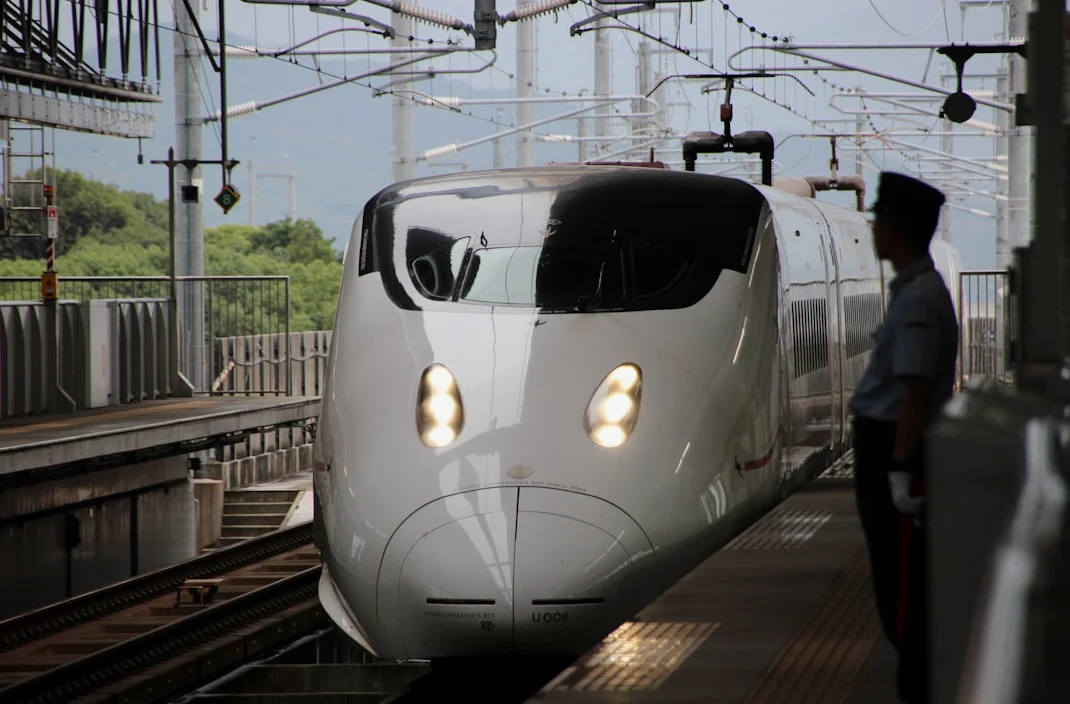
Japan’s largest railway operator, JR East, has ended a 39-year fare freeze, marking a significant shift in transportation policy and impacting commuters across Tokyo and beyond. The decision, announced in March 2025, comes amid rising operational costs and increased pressure to modernize infrastructure, according to Asahi Shimbun. This move is expected to affect millions of daily commuters, with Tokyo residents facing the brunt of the changes due to the region’s heavy reliance on rail transport.
Operational Challenges and Financial Pressures
JR East, which operates the majority of Japan’s railway network, has faced mounting financial pressures due to aging infrastructure, rising maintenance costs, and the need to invest in new technologies. According to Asahi Shimbun, the company has been grappling with the effects of an aging population and declining ridership in certain areas, which have contributed to a financial strain. The decision to increase fares follows a period of stability that had allowed commuters to benefit from predictable pricing, but the railway operator now argues that the freeze is no longer sustainable.
The fare increase is expected to be implemented in stages, with the first adjustments affecting commuter and regional services. Asahi Shimbun reports that the price hike will be most noticeable in Tokyo, where JR East’s network is most densely used. However, the company has emphasized that the increase is necessary to ensure continued investment in infrastructure and to maintain the safety and reliability of its services.
According to WIRED.jp, JR East has also been investing in advanced robotics and automation to reduce the burden on human workers, particularly in high-risk environments such as maintenance and repair work. These technological advancements are part of a broader strategy to modernize the railway system and improve efficiency.
Regional Impact and Public Reaction
The fare increase has sparked mixed reactions among commuters, with many expressing concern over the financial burden, particularly in Tokyo where the cost of living is already high. Asahi Shimbun reported that local residents have voiced frustration over the decision, with some accusing JR East of passing on costs to passengers without adequate justification.
Meanwhile, in rural areas, the impact may be less pronounced, as these regions have lower ridership and fewer alternatives to rail transport. However, Vietnam.vn highlights that Japan’s railway technology, including that of JR East, is being closely watched by international observers, particularly in countries looking to develop their own rail networks. The company’s advancements in automation and safety have drawn interest from various regions, including Southeast Asia.
Local businesses in Tokyo have also expressed concerns about the potential economic repercussions of the fare increase. According to Asahi Shimbun, some small businesses fear that higher commuting costs could deter customers and reduce foot traffic, particularly in commercial districts that rely heavily on rail transport.
Global Implications and Future Developments
The fare hike by JR East is not just a domestic issue; it has broader implications for global infrastructure and transportation policies. WIRED.jp notes that Japan’s railway system is often cited as a model for efficiency and reliability, and the decision to raise fares may influence other countries considering similar measures. Additionally, the company’s focus on technological innovation, such as the development of multi-functional humanoid robots, could set new standards for the industry.
According to AD HOC NEWS, JR East’s stock has gained traction in global infrastructure ETFs, indicating that investors are taking note of the company’s strategic moves. This suggests that the railway operator’s decision to modernize its infrastructure and address financial challenges is being viewed positively by the international market.
The future of JR East will likely involve continued investment in technology and infrastructure, as well as potential adjustments to its fare structure based on economic conditions and public feedback. Vietnam.vn points out that the company’s approach to automation and safety could serve as a blueprint for other nations seeking to enhance their transportation systems.
As the railway operator moves forward, it will need to balance the financial realities of maintaining its vast network with the expectations of its passengers. The coming months will be crucial in determining how effectively JR East can implement the fare increase while maintaining public trust and ensuring the continued reliability of its services.
Conclusion: A New Era for Japanese Rail Transport
The end of the 39-year fare freeze by JR East marks a key moment in the history of Japan’s rail transport system. As the country’s largest railway company, JR East plays a critical role in connecting cities and facilitating daily commutes. The decision to increase fares reflects the complex challenges faced by the railway industry in an era of technological advancement and economic uncertainty.
With the implementation of new technologies and a renewed focus on infrastructure investment, JR East is ready to handle these changes while maintaining its reputation for excellence. The coming years will be crucial in shaping the future of rail transport in Japan and potentially influencing global transportation policies.
The impact of this decision will be felt not only within Japan but also internationally, as other countries look to the success and challenges of JR East as they consider their own approaches to rail transport and infrastructure development.






Comments
No comments yet
Be the first to share your thoughts