

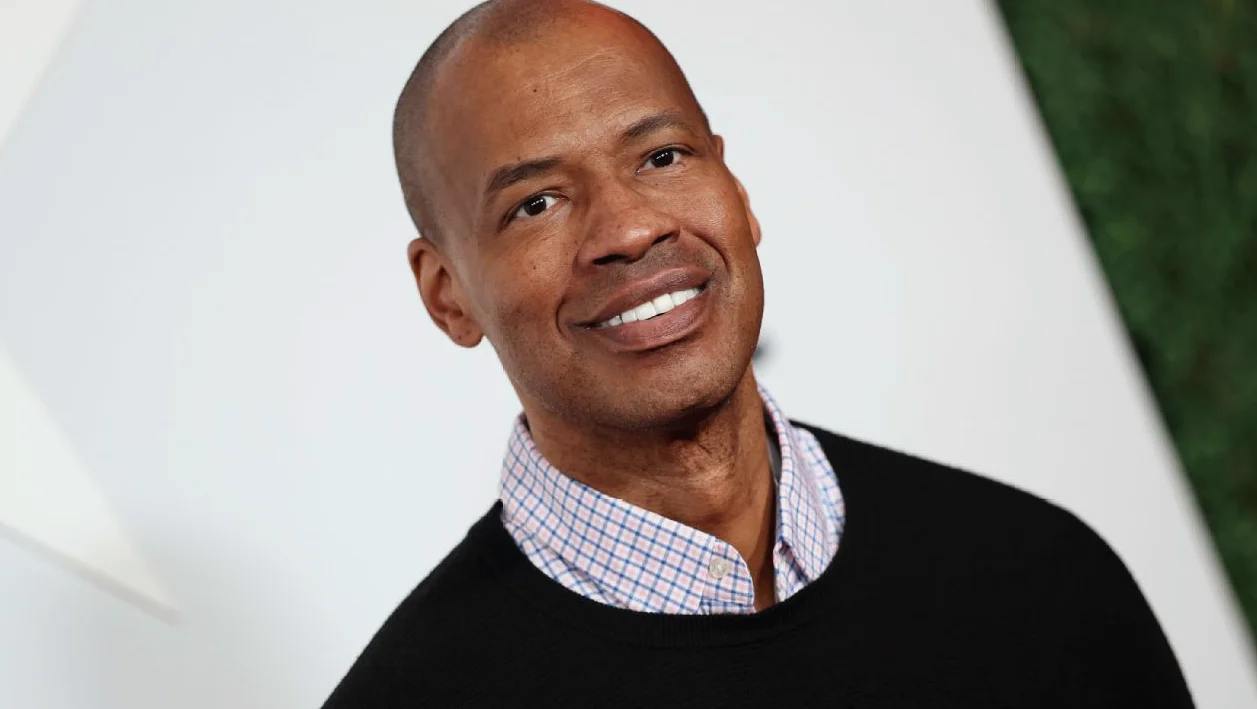
A Trailblazer in Sports and Society
Collins came out as gay in a 2013 Sports Illustrated cover story, becoming the first publicly gay athlete in the four major North American professional sports leagues. He played 13 seasons in the NBA with teams including the New Jersey Nets, Memphis Grizzlies, Minnesota Timberwolves, Atlanta Hawks, Boston Celtics, Washington Wizards, and the Brooklyn Nets after they relocated from New Jersey.
His retirement in 2014 did not mark the end of his influence. He continued to serve as a global ambassador for the NBA and became a leading advocate for LGBTQ+ inclusion in sports. His family described him as someone who “changed lives in unexpected ways and was an inspiration to all who knew him and to those who admired him from afar.”
Struggle with Brain Cancer
In November 2025, Collins revealed to ESPN that he had been diagnosed with stage 4 glioblastoma, one of the deadliest forms of brain cancer. The tumor was described as aggressive and located near the front lobe of his brain, an area critical to personality. He traveled to Singapore for experimental treatments not yet approved in the U.S., which allowed him to return home and attend the NBA All-Star Weekend in Los Angeles and a game at his alma mater, Stanford.
Despite the temporary success of treatment, the cancer returned. Collins passed away peacefully at his home, surrounded by his family. His family expressed gratitude for the support he received and the care provided by his medical team. They also thanked fans for the outpouring of love and prayers over the past eight months.
Legacy and Tributes
Human Rights Campaign President Kelley Robinson called Collins “a original figure for our community” and said, “We truly lost a giant today.” Collins was a pioneer for LGBTQ+ visibility in sports, and his courage to come out while still active in the NBA marked a significant moment in the history of American sports.
Collins was also a Stanford legend. He led the university in career field goal percentage (.608), a record that still stands. He was named a third-team All-American by the National Association of Basketball Coaches in 2001 and earned honorable mention All-America recognition from the Associated Press. He was inducted into the Stanford Hall of Fame in 2017 alongside his brother, Jarron.
Stanford mourns his passing, describing him as a trailblazer for equality and an advocate for LGBTQ+ inclusion. His impact on and off the court will be remembered for generations to come.



Comments
No comments yet
Be the first to share your thoughts