

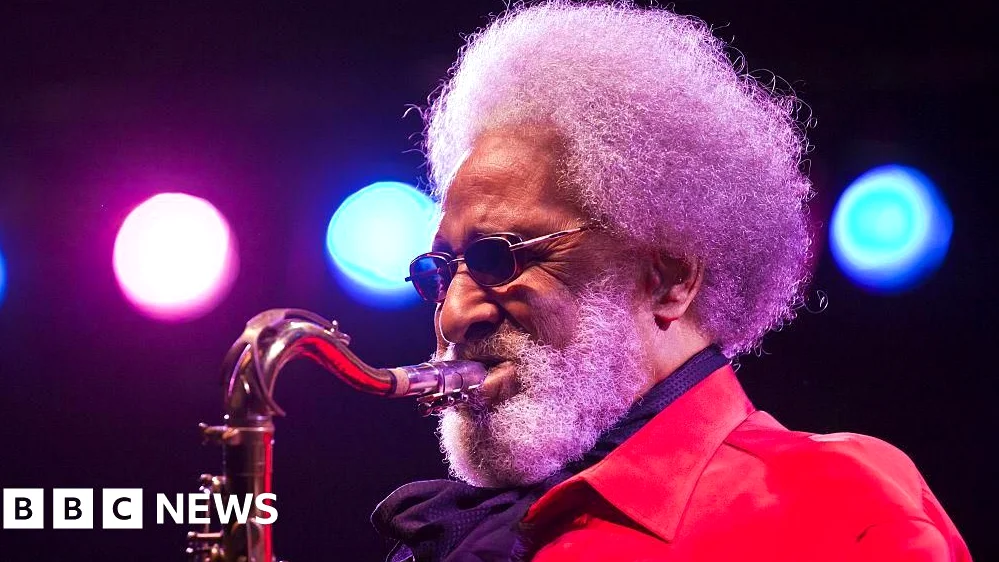
Sonny Rollins, one of the last living stars of the bebop generation, died at his home in Woodstock, New York, on Monday, the statement said; the cause of death was not disclosed, but he had been battling a respiratory condition, pulmonary fibrosis, since 2012, according to the NYCultureBeat.
A Legacy of Innovation and Improvisation
Rollins was celebrated for his novel improvisational style, with saxophonist Branford Marsalis calling him “the greatest improviser in the history of jazz” alongside Louis Armstrong. He recorded more than 60 albums from the late 1940s onwards, including collaborations with jazz greats such as Miles Davis, Thelonious Monk, and John Coltrane.
Rollins was born Walter Theodore Rollins in 1930 in New York City and grew up in Harlem, where he earned the nickname Sonny from his grandmother. Inspired by jazz legends like Louis Jordan and Fats Waller, he began playing the saxophone at age seven.
Defining the Sound of Modern Jazz
Rollins was known for his bold, rich tone, which set him apart from other saxophonists in the 1940s and 1950s. During a time when many young jazz players favored a lighter, less vibrato-heavy sound, he continued the legacy of Coleman Hawkins, one of the first great tenor saxophonists, according to NYCultureBeat.
His 1956 album Saxophone Colossus—which included his iconic track “St. Thomas”,was a major moment in his career. Over the decades, he explored avant-garde, jazz-rock fusion, and other styles, but he remained unclassifiable due to his unpredictable energy and dynamic shifts in tone.
“Even by the standards of a music that prizes individuality, Mr. Rollins stood out, as both a musician and a personality,” the New York Times reported, as quoted in NYCultureBeat.
A Spiritual and Resilient Life
Rollins was a spiritual person who believed in the continuation of life beyond death. In 2009, he reflected on the subject in a statement: “I think when the creative person ends, he continues in the next existence. I’m a person who believes this life isn’t the be-all and end-all of everything. A spiritual person doesn’t feel like that,” as quoted in The Guardian.
Rollins also practiced yoga, which he credited with helping him stay away from drugs and alcohol. He had struggled with heroin addiction and homelessness in his youth, as reported by the AFP in 2012.
His legacy was recognized by the U.S. government in 2011 when President Barack Obama awarded him the National Medal of the Arts, noting that Rollins had inspired him to “take risks that I might not otherwise have taken.”






Comments
No comments yet
Be the first to share your thoughts