

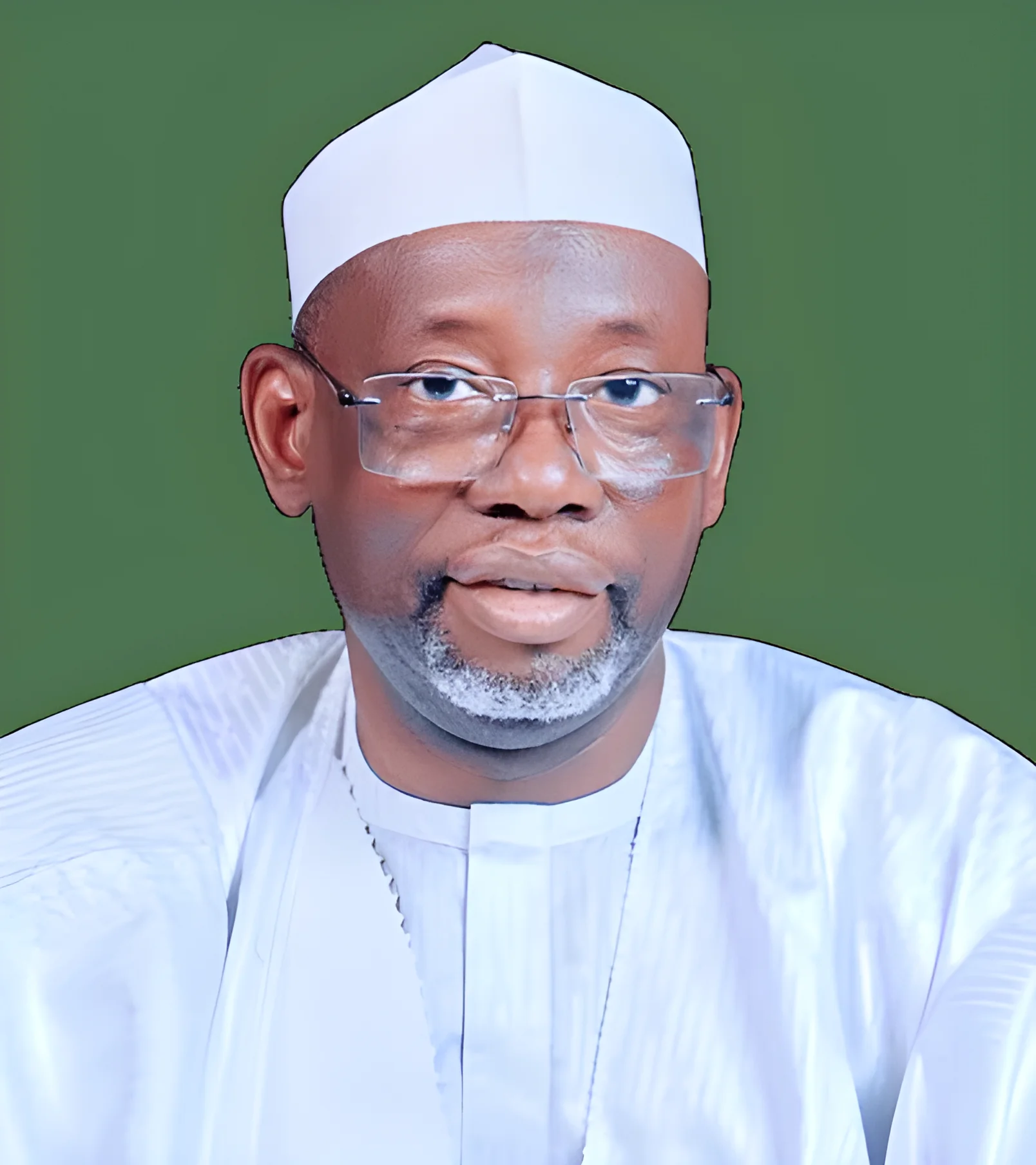
The Jigawa State Governor, Mallam Umar Namadi, has come under serious scrutiny over allegations of defying President Bola Tinubu’s directives, accusing him of allegedly diverting Local Government Federal allocations, and actions that require urgent State Assembly investigation.
Legal Framework and Presidential Directives
President Tinubu, after a Supreme Court Judgment granted Local Governments financial autonomy, directed that state governors must comply with the Judgment. The ruling was intended to ensure that local governments have the power to manage their own finances independently, in line with constitutional provisions.
However, the Jigawa Government was accused of misappropriating the Local Governments’ Funds contrary to the Presidential directives and Court Judgment. The issue has drawn attention from civil society groups, who claim that the state’s actions are in violation of both the constitution and the judicial order.
The Coalition of Civil Society Organisations (CSOs) and Community-Based Organisations (CBOs), accused the Government of Namadi of local governments’ funds mismanagement, which is against the stipulated Constitutional provisions. The coalition emphasized that the state’s actions are not only illegal but also undermine the principle of local governance autonomy.
Civil Society Calls for Assembly Investigation
To this end, the CSOs asked the Jigawa House of Assembly to urgently commence an investigation into allegations, so as to bring the Government to book. The CSOs and CBOs under the Partnership for Inclusion of Local Governance (PILGOB) made the call in a statement issued in Dutse on Sunday by the coalition’s Secretary-General, Mr Ibrahim Ilallah.
The group said it had closely monitored reports and public discussions across social media concerning alleged misappropriation, withholding of local government funds, unlawful deductions from council allocations, and other financial irregularities affecting councils in the state. These allegations, if proven, could have significant implications for the governance and development of local communities in Jigawa State.
Ilallah urged the Speaker of the House, Haruna Dangyatin, to invoke the assembly’s constitutional powers to ensure accountability and transparency in the administration of local government resources by the government. He referenced Section 7 of the 1999 Constitution of the Federal Republic of Nigeria (as amended), which empowers state legislatures to ensure the proper structure, composition, finance and functioning of democratically elected local government councils.
The secretary-general added that the assembly’s oversight function is critical to ensuring transparency and accountability in the management of public resources at the grassroots level. According to him, the responsibility includes investigating allegations of corruption, inefficiency or abuse of office where necessary.
Urgent Need for Accountability
The Civil Society Groups urged the Assembly to, as a matter of priority and in the strengthening of public trust and confidence, heavily investigate the Government. ‘The Assembly should be seen doing their constitutional responsibility to strengthen public trust and make the Government accountable to its citizens,’ they said.
Several calls to the State Officials for their response on the allegations could not be answered. This silence has only added to the growing concern among citizens and civil society groups about the state’s handling of local government funds.
The allegations against the Jigawa Government are significant, not only because they involve the misuse of public funds but also because they challenge the constitutional rights of local governments to manage their own resources. The Supreme Court’s ruling on this matter was intended to empower local councils and ensure they are not subject to arbitrary interference from state governors.
According to recent reports, the amount of funds allegedly mismanaged by the Jigawa State Government is estimated to be in the millions of naira. This raises concerns about the potential impact on the delivery of essential services to local communities, including health, education, and infrastructure development.
The situation in Jigawa State is not unique, as similar allegations have been made in other states over the years. However, the current case has drawn particular attention due to the clear directives from both the President and the Supreme Court, which were explicitly meant to safeguard the autonomy of local governments.
The House of Assembly’s response to these allegations will be crucial in determining whether the Jigawa Government can be held accountable for its actions. If the Assembly initiates a thorough investigation, it could set a precedent for other states and reinforce the importance of legislative oversight in local governance.
The implications of the current situation extend beyond Jigawa State. If the allegations are proven, it could lead to a broader review of how local government funds are managed across Nigeria. This could result in new policies or reforms aimed at preventing future mismanagement and ensuring that local councils have the resources they need to serve their communities effectively.
As the situation unfolds, the focus will remain on the actions of the Jigawa House of Assembly and the potential outcomes of any investigation that may be initiated. The public is watching closely, and the demand for transparency and accountability in local government management is likely to continue growing.






Comments
No comments yet
Be the first to share your thoughts