

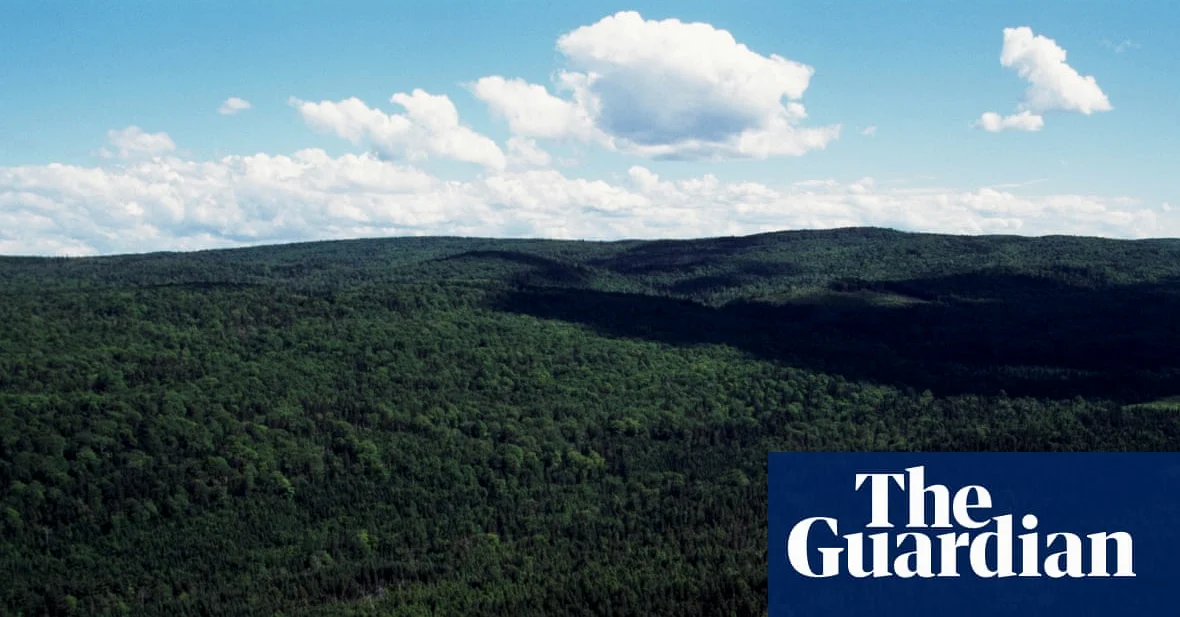
A Nova Scotia judge has struck down a provincial ban on entering areas designated as ‘woods,’ ruling that the law defied commonsense definitions and violated constitutional rights, according to The Guardian. The controversial rule, which classified rock barrens, scrubland, and even marshes as ‘woods,’ created confusion among residents and led to legal challenges.
Confusing Definition Sparks Legal Challenge
The emergency rule, issued in response to a severe wildfire crisis last summer, required residents to avoid walking through any area considered ‘woods.’ However, the definition of ‘woods’ was broad and included land where trees had once existed but were no longer present. The judge noted that the regulation placed an undue interpretive burden on the public. ‘Someone who wanted to stay out of the woods had to put in some interpretive effort,’ the judge stated.
The law was criticized for being overly complex and impractical. The Nova Scotia Supreme Court acknowledged the urgency of the wildfire crisis but emphasized that individual rights must be protected. ‘If individual rights aren’t protected, they can be eroded in a way that eventually affects everyone,’ the court warned.
A Veteran’s Challenge Leads to Ruling
After informing bylaw officers of his plans, Evely entered the forest and was fined C$28,872.50. The case gained public attention after Jeffrey Evely, an army veteran, deliberately violated the ban in Cape Breton. His challenge to the law became a central test of the government’s authority during emergencies.
Tim Houston, the provincial premier, had defended the rule as necessary to prevent the spread of wildfires, stating in July that it was ‘inconvenient but essential’ to avoid a repeat of the 2023 wildfire season. Most residents complied with the order, but Evely’s case highlighted the legal and philosophical questions surrounding the definition of ‘woods.’
Location of the Dispute: Cape Breton and the Coastal Gem of Sydney
The events took place in Cape Breton Island, known for its rugged beauty and extensive coastline. According to AOL.com, Cape Breton has 1,120 miles of coastline and is often described as a place where ‘you are never more than 30 miles from the sea.’ The island is home to Sydney, a city founded in 1875 and now a popular cruise port and gateway to the island.
Historically, Sydney has been shaped by its Indigenous and Celtic heritage. The Mi’kmaq people are believed to have lived in the area for more than 10,000 years before European settlers arrived. Cape Breton University, established in 1974, plays a central role in the city’s development. The island is connected to mainland Nova Scotia by the Canso Causeway, a 2-mile-wide strait, and is accessible via the J.A. Douglas McCurdy Sydney Airport, which offers flights to and from major Canadian cities.
The legal dispute over what counts as ‘woods’ has now taken center stage in a region known for its natural beauty and rich cultural history. The ruling shows the importance of balancing public safety with civil liberties, particularly in times of crisis.






Comments
No comments yet
Be the first to share your thoughts