

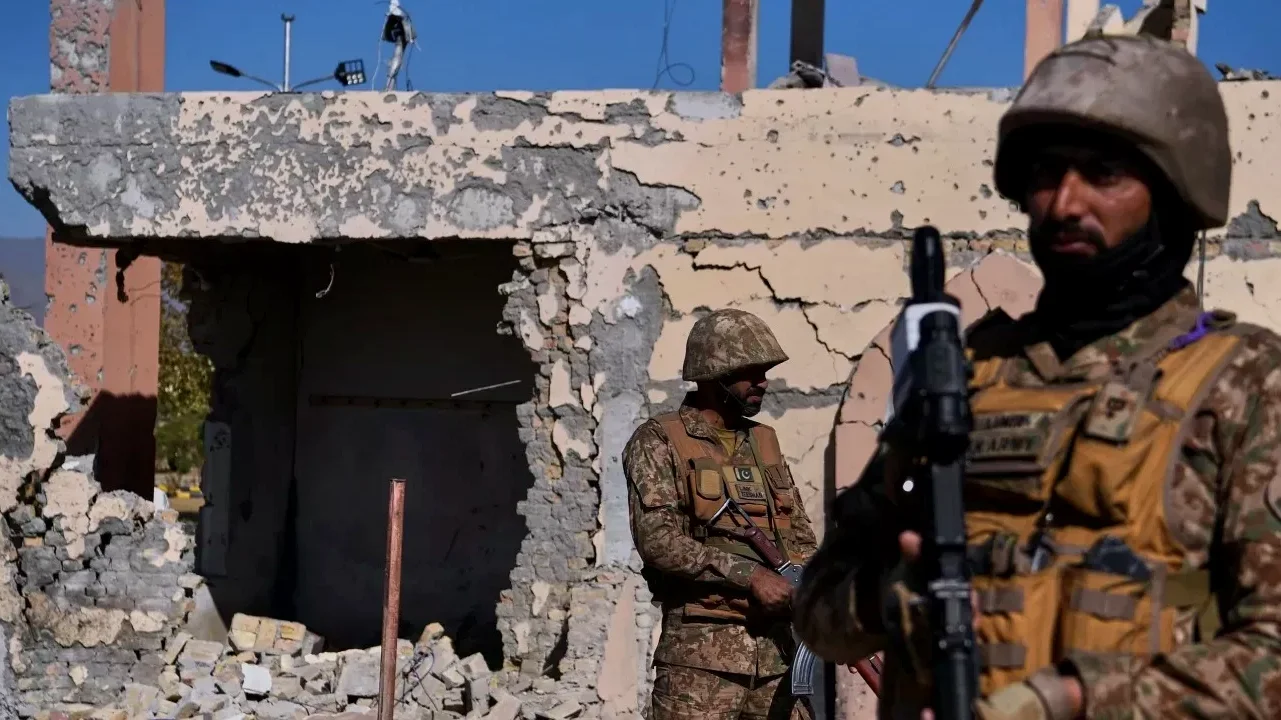
Explosions and heavy gunfire echoed through the Afghan capital, Kabul, before dawn on Sunday as Taliban forces targeted Pakistani military aircraft operating over the city, marking a significant escalation in the ongoing hostilities between Afghanistan and Pakistan. The de facto Taliban government confirmed the engagement following reports of pre-dawn blasts from journalists at AFP and Reuters.
Escalation of Hostilities
The incidents mark a significant escalation in the ongoing hostilities between Afghanistan and Pakistan, which have seen sporadic border skirmishes for months. On Thursday, the situation shifted dramatically as both sides moved from isolated clashes to what has been described as ‘open war.’
The conflict intensified after Kabul launched a border attack, which triggered retaliatory Pakistani air strikes. The Taliban administration has accused Pakistan of causing numerous civilian casualties during recent bombardments in Kandahar province. Kandahar is considered the heartland of the Taliban movement and is the residence of its Supreme Leader, Hibatullah Akhundzada.
Taliban Response and Civilian Concerns
Taliban government spokesperson Zabihullah Mujahid addressed the incident via X (formerly Twitter), stating, ‘Anti-aircraft fire targeted the Pakistani air force in Kabul. Residents should not be worried.’ His statement aimed to reassure the public but did not address the broader implications of the conflict.
Islamabad has not yet issued an official statement regarding the targets or the scope of Sunday’s aerial operations. The lack of immediate response from the Pakistani government has raised concerns about the potential for further escalation and the impact on regional stability.
Impact on Regional Stability
The conflict between Afghanistan and Pakistan has significant implications for regional stability, particularly in a region already fraught with geopolitical tensions. The two countries share a long and porous border, and increased hostilities risk spilling over into neighboring regions, including parts of Central Asia and the broader South Asian region.
The situation is further complicated by the presence of other regional powers, including India and China, which have interests in both countries. Analysts warn that any prolonged conflict could lead to increased cross-border violence and a potential humanitarian crisis, with civilians bearing the brunt of the fighting.
According to recent reports, the conflict has already displaced thousands of people in border regions, with many seeking refuge in urban centers or neighboring countries. The economic impact is also being felt, as trade routes and infrastructure projects along the Afghanistan-Pakistan border are disrupted.
Experts note that the current situation is reminiscent of similar conflicts in the region over the past decade, including the Kargil War in 1999 between India and Pakistan. These historical precedents highlight the risks of miscalculation and the potential for wider regional involvement.
The immediate future of the conflict remains uncertain. Both sides have shown no indication of de-escalation, and the potential for further military actions is high. The international community, including the United Nations and regional organizations, is closely monitoring the situation.
Analysts suggest that a diplomatic resolution may be difficult to achieve in the short term, given the deep-seated grievances and mistrust between the two nations. However, some experts believe that international pressure and the threat of economic sanctions could play a role in encouraging dialogue.
With no formal ceasefire in place, the risk of further military engagements remains high. The coming weeks will be critical in determining whether the conflict can be contained or if it will continue to escalate, with potentially far-reaching consequences for both countries and the region as a whole.






Comments
No comments yet
Be the first to share your thoughts