

 Al Jazeera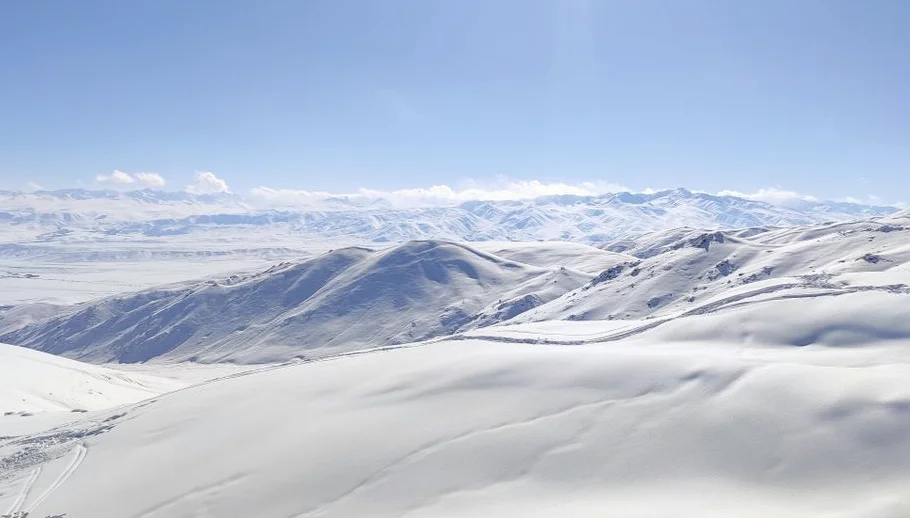
Kyrgyzstan, a small, mountainous, landlocked country, hosted a summit featuring some of the world’s most influential leaders, including representatives from Russia, China, India, Iran, Pakistan, and the United Nations Secretary-General, Antonio Guterres. The gathering brought together countries central to global geopolitical tensions.
SCO as a Platform for Multipolarity
At the summit, Russian President Vladimir Putin highlighted the organisation’s growth from six founding members in 2001 to what he described as the world’s largest regional association. He stated that the SCO has evolved into an independent and influential centre of the emerging multipolar world over the past 25 years.
Since its inception, the SCO has expanded beyond its original six members to include countries like Iran, Pakistan, and India — this expansion reflects the organisation’s increasing influence and its role as an alternative to Western-led global frameworks.
Geopolitical Balancing Act in Central Asia
Kyrgyzstan faces the challenge of balancing relations with neighboring powers like Russia and China, as well as maintaining ties with Europe and the United States, while Shairbek Dzhuraev, president of the Crossroads Central Asia think tank, noted that the summit’s timing is significant given the geopolitical tensions involving key members.
Kyrgyzstan’s multi-vector foreign policy has allowed it to keep Russia close while building economic ties with China and maintaining open channels with Europe and Washington, as the country’s landlocked geography and dependence on transport corridors and imported energy leave its economy vulnerable to external shocks.
Dzhuraev emphasized that Kyrgyzstan’s geopolitical weakness lies in its dependence on transport routes, energy, and economic relationships — this dependence has made diversification a critical economic and strategic goal.
Iran’s Role and Diplomatic Tensions
Iran’s presence at the summit brought immediate attention to the country’s diplomatic and economic challenges. Iranian President Masoud Pezeshkian used the platform to call on the United States to return to its commitments under the June Islamabad Memorandum of Understanding (MoU). The agreement, which collapsed due to mutual accusations of violations, remains a focal point for diplomatic resolution.
Iran’s Foreign Minister, Abbas Araghchi, also urged Washington to return to the terms of the MoU, stating that doing so could help restore diplomatic relations, while the SCO summit provided an opportunity for Iran to address the U.S. in a multilateral setting.
Washington has renewed sanctions on Iran and expanded the threat of penalties for businesses engaging with the country. For Central Asian economies, particularly those with strong ties to Russia and China, compliance with these sanctions is difficult due to dense economic linkages across borders.
Dzhuraev expressed skepticism about the extent to which countries like Kyrgyzstan can fully comply with sanctions, noting that China and others have already rejected what they describe as unilateral measures. The economic interdependence between Central Asian states and their trade partners makes a complete break from these relationships unlikely.



Comments
No comments yet
Be the first to share your thoughts