

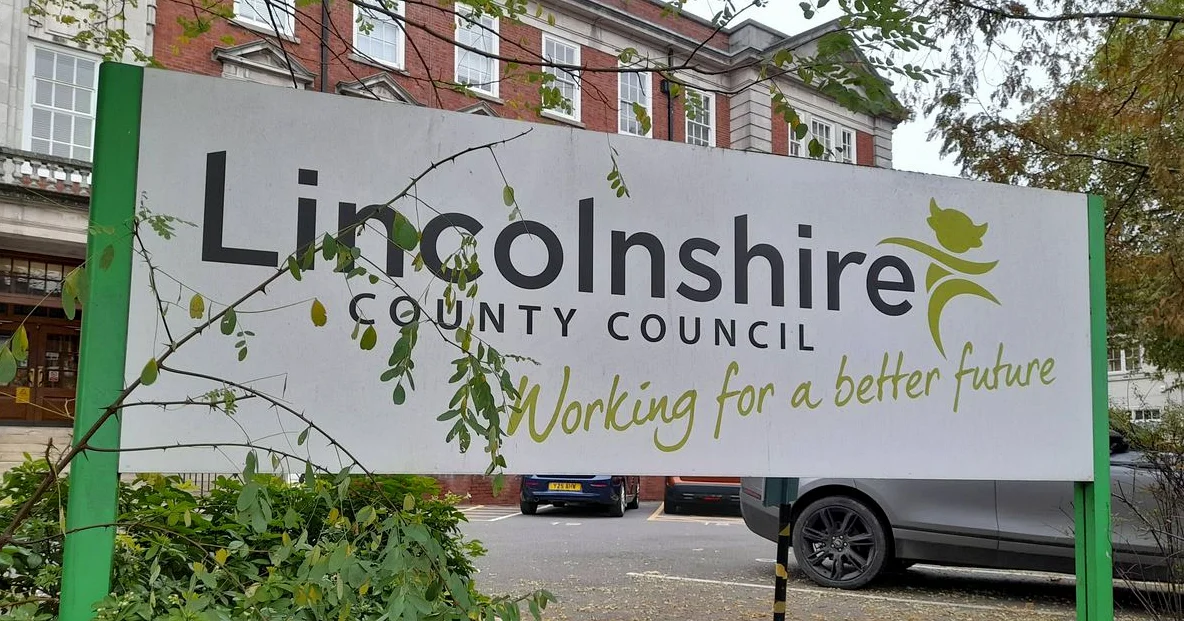
Council tax changes across Lincolnshire have been finalized ahead of the new financial year, with a mix of increases and freezes in place for residents. The decisions come amid rising living costs and pressure on public services, with some areas opting for modest hikes while others have frozen their rates after receiving additional government funding.
County Council Opting for a 2.9% Increase
Lincolnshire County Council, which accounts for nearly 75% of residents’ council tax bills, has decided to increase its portion by 2.9%, bringing the total for a Band D property to £1,673.01. This rise, equivalent to around 90p per week, is intended to cover increased costs and support for older people’s social care, according to council leaders.
The decision to raise the tax came despite the authority having the power to increase rates by up to 4.99% under government rules. The Reform-led council said the lower rise was a compromise to ease the financial burden on residents while still addressing budget pressures.
For most Lincolnshire residents, the impact of the increase will be less noticeable, as the majority of properties fall in Band A or B, which are subject to lower rates. However, those in higher bands will feel the full effect of the hike.
City of Lincoln Freezes Rates After Funding Boost
In contrast, the City of Lincoln Council has decided to freeze its council tax for 2024-25, keeping the rate at £316.98 per Band D property. This decision was made after the city received a windfall of additional government funding, which leaders said would help alleviate financial pressures on residents.
Despite the freeze, officials acknowledged that many in the city still face tough financial times. The council has not yet decided whether the freeze will be repeated next year, leaving uncertainty for residents planning their household budgets.
The freeze is expected to provide some relief to households, particularly those on fixed incomes, but the lack of an increase could create challenges for the council in maintaining services over the long term.
North Kesteven and South Kesteven See Increases
North Kesteven District Council has opted for a 2.96% increase, raising the Band D rate to £200.16. This is just below the maximum allowed without a public vote, which is 2.99%.
The Conservative-led council said it had lost out on government funding and needed the increase to properly fund services. Council leaders emphasized that without the rise, they would face even greater financial strain.
South Kesteven District Council, run by an Independent administration, has chosen the maximum allowable increase of 2.99%, bringing the Band D rate to £200.16. The council said the increase is necessary to avoid service cuts and maintain the quality of local services.
According to officials, the rise will help balance the budget without resorting to austerity measures, but it adds to the growing complexity of council tax calculations for residents.
East Lindsey and South Holland Implement Maximum Increases
East Lindsey District Council, under Conservative leadership, has raised its Band D rate to £176.67, the highest possible without a referendum. Council members said a period of no increases in recent years had limited their ability to fund essential services.
South Holland District Council has also implemented a maximum increase of 2.99%, raising the Band D rate to £214.92. The council added a separate charge of £23.40 for the Spalding Special Expenses, which covers specific local initiatives.
Officials in both areas expressed frustration over the lack of government funding and the need to raise taxes to maintain services. They warned that further increases may be necessary unless additional support is received from central government.
Boston Borough Council Hikes Rates with Additional Charges
Boston Borough Council has raised its Band D rate to £231.48, with an additional £81.09 charge for the Boston Special Expenses. The Independent-led council said this is the first balanced budget in several years, achieved without cutting services.
Despite the increase, residents will not see any additional services, as the police precept has risen by 4.7% to £333.09. This increase is needed to cover rising wages, energy prices, and other costs, according to the police commissioner.
The council has also highlighted that a significant portion of the tax, 55%, goes to Internal Drainage Boards, which manage water and flooding, rather than directly to the local authority.
What This Means for Residents
The council tax changes will have varying impacts across Lincolnshire, with some areas seeing modest increases while others have frozen their rates. For those in higher tax bands, the rise could represent a noticeable increase in monthly bills.
Residents may also face confusion, as their bills are made up of multiple components from different authorities, each with its own rate and purpose. Understanding the breakdown of the bill can be challenging, but it is essential for managing household budgets effectively.
With the cost of living rising, these changes come at a time when many families are already struggling to make ends meet. The council tax adjustments, while necessary for maintaining public services, may add to the financial pressure on households.
Looking Ahead
The decisions made by Lincolnshire’s councils will have long-term implications, particularly if government funding remains uncertain. Some areas may face further increases in the coming years, while others may continue to freeze rates if additional support is received.
Residents are advised to review their council tax statements carefully to understand the breakdown of their payments. They may also want to consider contacting their local council for more information about the changes and any potential impacts on their household finances.
With the new financial year approaching, the full list of council tax changes across Lincolnshire is now clear, offering residents a clearer picture of what to expect in their monthly bills.





Comments
No comments yet
Be the first to share your thoughts