

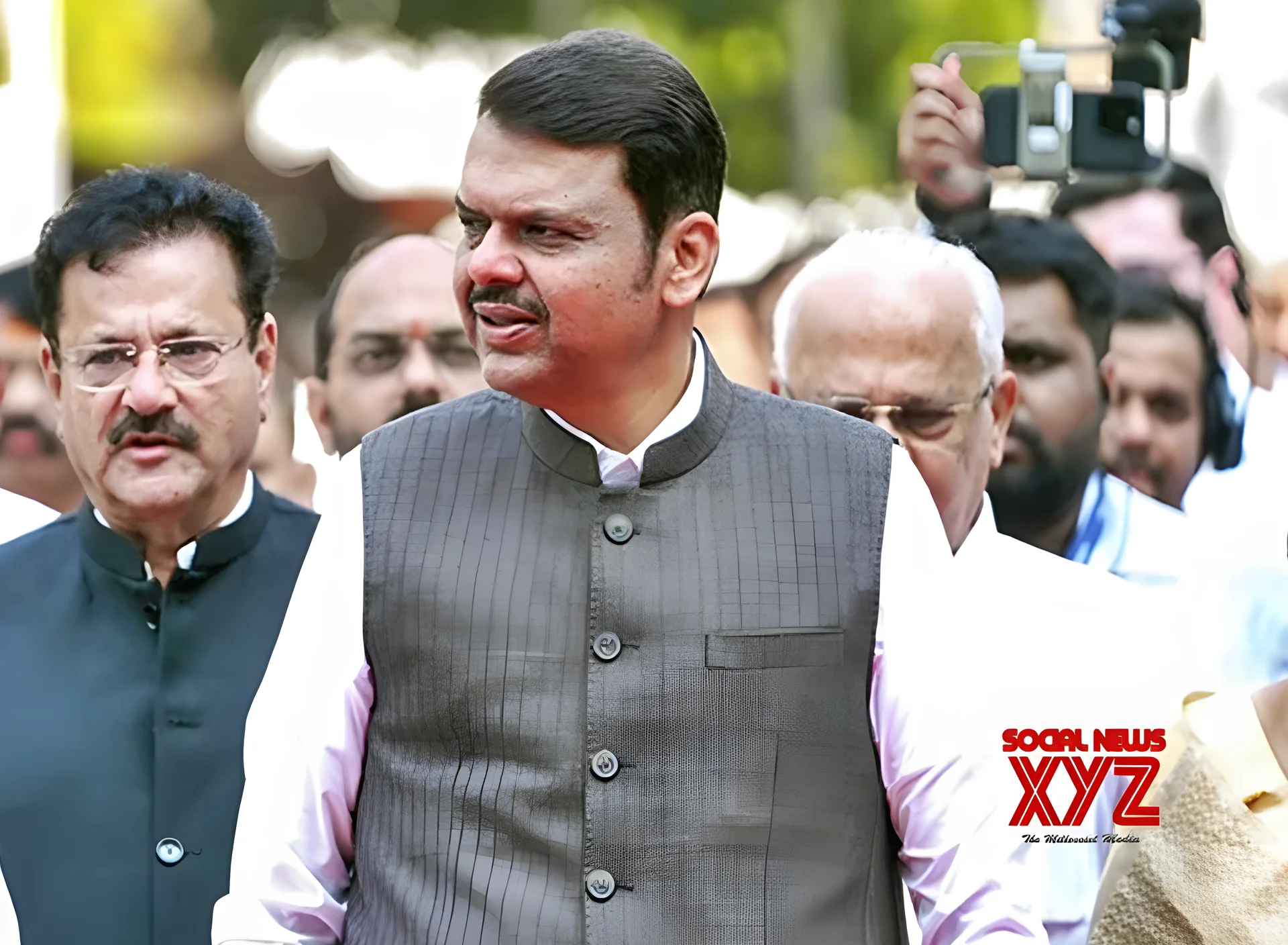
Mumbai, March 4 — Maharashtra Chief Minister Devendra Fadnavis has announced a significant overhaul of the state’s lift inspection system, including the creation of 519 new posts to address the growing demand for elevator safety checks. The decision comes in response to concerns raised by legislators about the adequacy of current manpower in inspecting the state’s vast network of elevators.
Expansion of Inspection Infrastructure
Fadnavis stated that Maharashtra currently has approximately 2.10 lakh operational lifts, with an additional 25,000 recently approved for installation. The existing staff, he said, is insufficient to conduct regular inspections on such a large scale. “It is not possible to inspect such a large number of lifts with the existing manpower,” he said during a legislative session.
The Chief Minister emphasized that the new posts are a necessary step to ensure that all lifts meet safety standards and can be relied upon during emergencies. He warned, however, that these positions may also become insufficient in the future as the number of lifts continues to grow.
Third-Party Inspection System Introduced
To enhance accountability and efficiency, the government plans to introduce a third-party inspection system similar to the accredited audit process used for fire safety in Mumbai. Under this system, technical inspections will be mandatory, and valid inspection certificates will be displayed inside elevators.
“It will also be necessary to maintain a clear record in elevators indicating when each lift was inspected and the validity of the certification,” Fadnavis said. This measure aims to ensure transparency and compliance with safety standards.
A new bill has been introduced in the state legislature during the ongoing Budget Session to expand the powers of officers responsible for lift inspections. Fadnavis noted that further amendments may be required in the future as the number of lifts continues to rise.
High-Level Committee to Set Standards
Fadnavis also announced the formation of a high-level committee to determine maintenance standards, inspection frequency, technical norms, and the responsibilities of elevator manufacturing companies. The committee will include representatives from the Brihanmumbai Municipal Corporation (BMC), other municipal corporations, and the electricity department.
“The committee will be given a clear mandate, and a new Standard Operating Procedure (SOP) for elevator inspections will be prepared within the next six months,” Fadnavis said. This initiative is expected to streamline processes and reduce the risk of accidents.
In a separate response, Fadnavis addressed concerns about private moneylenders and microfinance operations in the state. He classified moneylenders into two categories: licensed private lenders and illegal operators. “All loans issued by illegal moneylenders are unlawful, and citizens should feel free to lodge complaints in such cases,” he said, assuring support from the government.
Fadnavis warned that licensed moneylenders who charge interest beyond the prescribed rate or violate regulatory provisions will face action. “Full relief will be provided to the affected individuals, and if necessary, criminal action will be initiated by cancelling the moneylender’s licence,” he added.
The announcement regarding lift inspections comes at a time when urban infrastructure safety has become a growing concern in Indian cities. Similar initiatives have been undertaken in other states, but Maharashtra’s approach, with its focus on third-party audits and formalized SOPs, is considered a significant step forward.
Industry experts say the proposed reforms could set a benchmark for other states. “This move will not only improve safety but also increase public trust in the infrastructure,” said one elevator safety consultant, who requested anonymity.
As the government moves forward, the implementation of the new system and the formation of the high-level committee will be critical in ensuring the effectiveness of these measures. With the deadline for the SOP set for six months, officials are expected to work closely with stakeholders to finalize the details.






Comments
No comments yet
Be the first to share your thoughts