

 The Guardian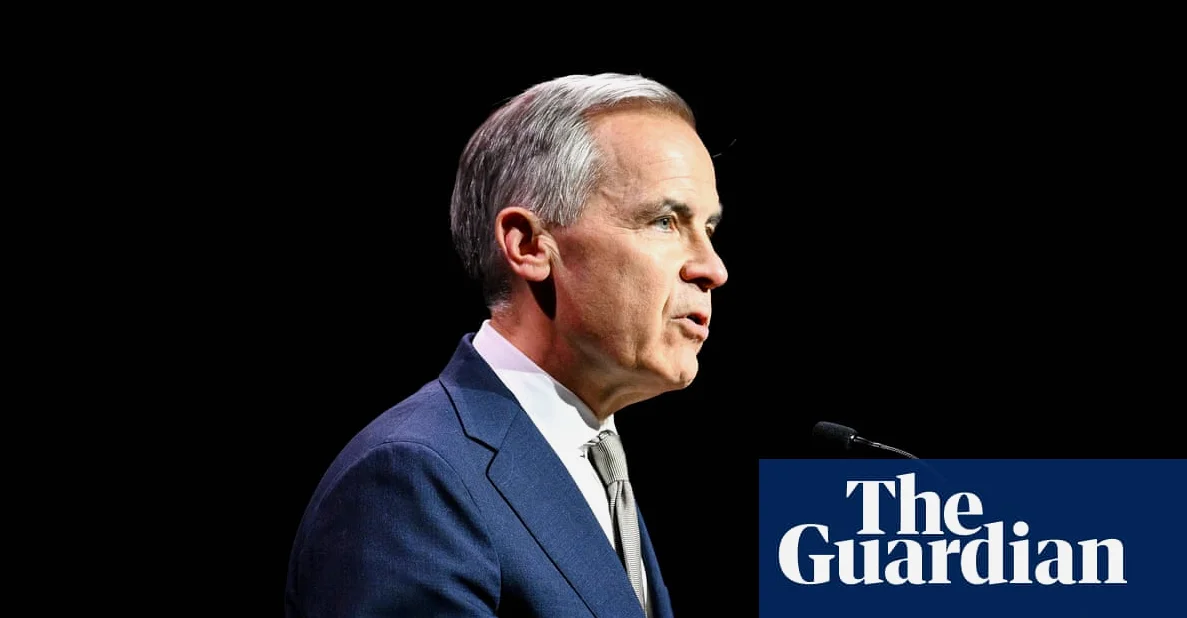
Canadian Prime Minister Mark Carney has secured a parliamentary majority for his Liberal government following special elections, according to CBC News; this victory will help him push through a legislative agenda he says is needed for an increasingly divided geopolitical world.
Special Elections in Ontario and Quebec
Three special elections were held on Monday in Ontario and Quebec, with two in districts – known as ridings – that have long voted Liberal; the party has secured the riding of University-Rosedale, CBC News said. The results of the other two elections were still being counted.
The win takes Carney’s Liberals to 172 seats in the 343-seat House of Commons — the University-Rosedale seat was previously held by the former deputy prime minister Chrystia Freeland, who resigned after being appointed economic development adviser in Ukraine.
Strategic Advantage for Carney
Carney has said a majority would help him deal more effectively with the trade war with the US started by Donald Trump. Andrew McDougall. An assistant professor in Canadian politics at the University of Toronto, said: “He will be able to pass legislation without having to go to the opposition to secure enough votes.”.
The Liberals have relied on selective support from the Conservatives to pass economic and trade-related legislation in the last year, and a majority government also allows Carney to decide the timing of the next election. Minority governments are at risk of a snap election if they lose a confidence motion and typically last less than two years.
Carney has solidified his grip on leading Canada until at least 2029, when national elections are due to be held; the last time a federal government had a majority in parliament was under Justin Trudeau from 2015 to 2019.
Political Shifts and Defections
Carney’s position strengthened when five opposition legislators in five months defected to the Liberals. Only the governments led by John A Macdonald, Canada’s first prime minister, and Jean Chrétien, who served as the 20th prime minister of Canada from 1993 to 2003, have seen more politicians defect to the ruling party.
On Wednesday, the longtime Conservative politician Marilyn Gladu switched parties to join Carney’s government, saying Canada needed “a serious leader who can address the uncertainty that has arrived due to the unjustified American tariffs”.
Of the other two ridings. The Bloc Québécois is in an extremely tight race with the Liberals in Terrebonne, Quebec. The Liberals won it by just one vote in the last federal election, but the result was overturned by Canada’s supreme court because of a misprint on a voter’s envelope.
The other special election in Ontario is to replace the former Liberal lawmaker Bill Blair, who resigned after he was appointed ambassador to the UK. The Liberals are expected to hold Blair’s seat and were leading early on in counting.
Laura Stephenson, the chair of the political science department at the University of Western Ontario, noted that while Trudeau had shifted the party to the left and prioritised issues such as reconciliation with Indigenous peoples, rights for minority groups and immigration, there were more pressing matters for Carney, a more centrist leader.
She said: “He is focused on helping Canada survive the economic turmoil, not remaking society. When we’re in tough times like this, there are different calculations being made.” Recent polling from Nanos shows more than half of Canadians prefer Carney as their prime minister, with just 23% picking the Conservative leader Pierre Poilievre.
Before Carney became leader of the Liberal party last year, Poilievre had been projected to win the next election by more than 20 points. “Carney has done a fairly good job showing Canadians he can handle Trump,” said McDougall of the University of Toronto. “He’s shown Canadians he’s a competent manager of the economy and the country. And so far Canadians have not been overly impressed by the alternatives.”






Comments
No comments yet
Be the first to share your thoughts