

 BBC
BBC 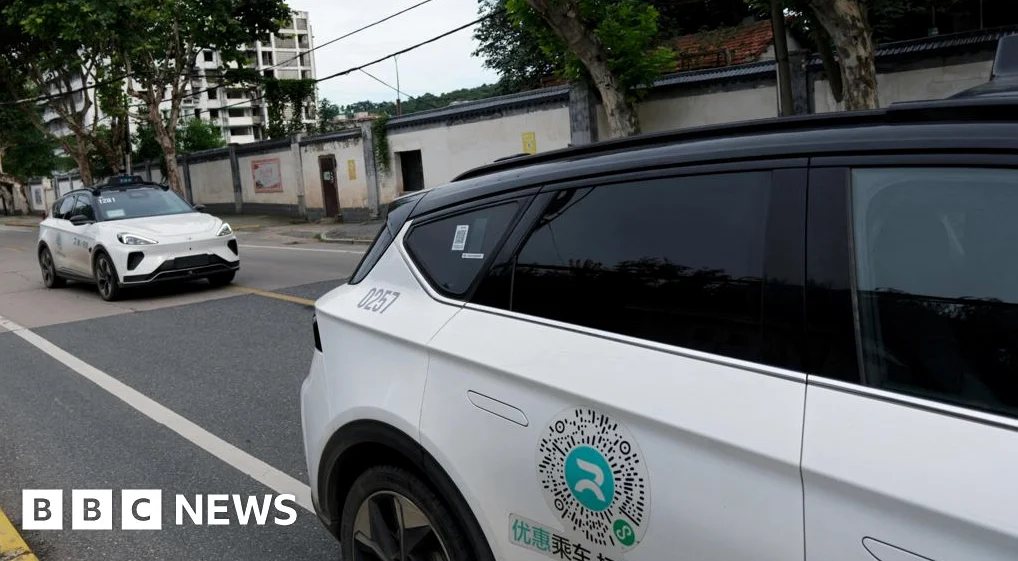
A mass robotaxi malfunction in the Chinese city of Wuhan caused at least 100 self-driving cars to stop mid-traffic, according to local police; the incident occurred on Tuesday and led to significant disruptions in the flow of traffic, with videos shared on social media capturing the event.
System Malfunction Sparks Debate
According to a police statement posted on the social media site Weibo, initial findings suggested a ‘system malfunction’ caused multiple vehicles to stop in the middle of the road. The statement noted that the cause of the incident is still under further investigation.
Videos from social media showed the outage, with one appearing to show a highway collision. However, police confirmed no injuries were reported, and passengers exited their vehicles safely. The incident has reignited discussions about the reliability and safety of autonomous vehicles.
Baidu’s Role in the Outage
Baidu, the Chinese technology giant that operates its Apollo Go driverless taxi service in dozens of cities, did not immediately respond to a request for comment. The company has been expanding its autonomous vehicle operations globally, including partnerships with ride-sharing apps Uber and Lyft.
In December 2025, Uber and Lyft announced partnerships with Baidu to test its Apollo Go cars on UK roads. The companies aim to start trials in 2026, although both still require approval from regulators before they can begin the pilot programs.
According to Jack Stilgoe, professor of science and technology policy at University College London, the incident showed that driverless technology could ‘still go wrong in completely new ways.’ He told BBC News that understanding these new types of risk is essential for making informed decisions about the technology.
Past Incidents Highlight Technical Challenges
The outage in Wuhan is not the first time self-driving cars have faced technical difficulties. In December 2025, a large power outage in San Francisco caused Waymo taxis to stop working around the city, leading to significant traffic jams.
Meanwhile, in August 2025, an Apollo Go robotaxi carrying a passenger in Chongqing fell into a construction pit. These incidents expose the ongoing challenges of integrating autonomous vehicles into everyday transportation systems.
The Wuhan incident has raised questions about the readiness of autonomous vehicle technology for widespread deployment. While driverless cars may be safer on average than human drivers, this event highlights the potential for new and unforeseen risks.
As the investigation into the Wuhan outage continues, groups are closely watching how the situation is resolved and what lessons can be drawn for the future of autonomous transportation.






Comments
No comments yet
Be the first to share your thoughts