

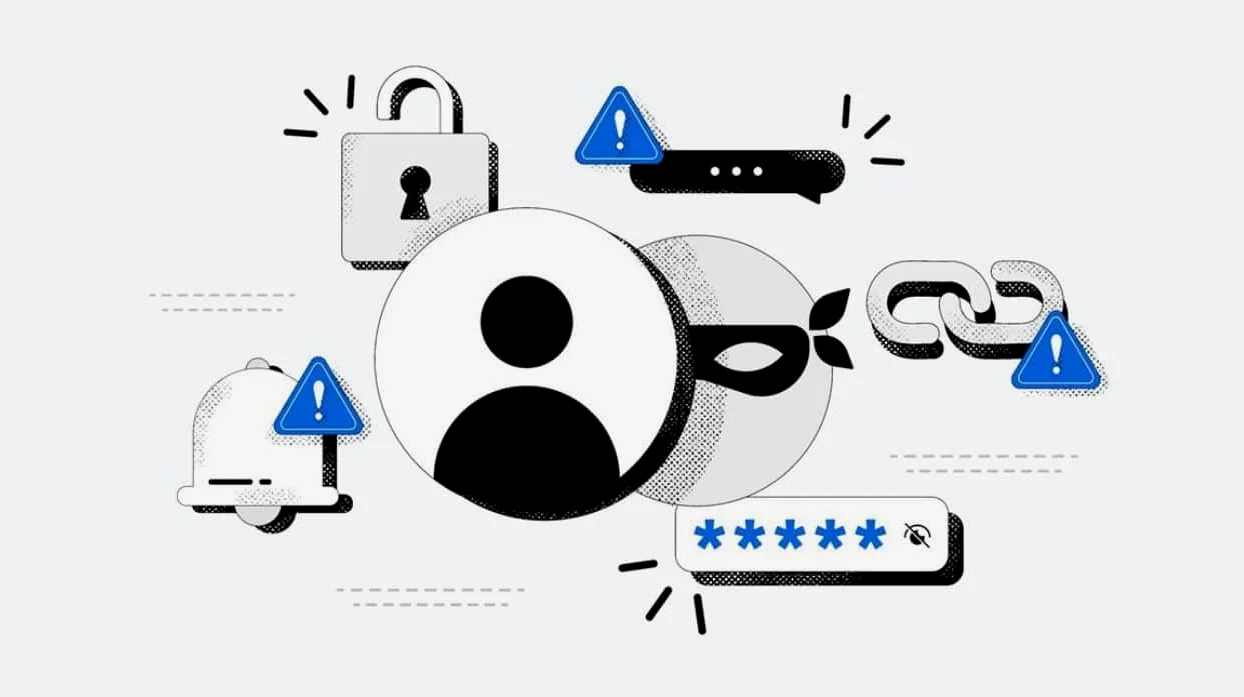
Meta has taken a significant step in its ongoing battle against online scams, revealing new technologies and global partnerships aimed at protecting users from increasingly sophisticated fraud tactics. The company reported that scammers are adapting quickly, using more subtle and deceptive methods to exploit users on its platforms. In response, Meta is rolling out advanced AI tools and new user alerts designed to detect and prevent scam activity before it can cause harm.
Advanced AI Tools to Detect Scam Patterns
Meta’s engineers and cybersecurity experts have developed AI systems capable of analyzing multiple signals—such as text, images, and contextual clues—to identify a broader range of scam patterns at scale. Traditional detection methods often miss these subtle tricks, but the new AI can flag suspicious behavior more effectively. This system is already being used across Meta apps to detect and remove malicious accounts, including those that may not be immediately used for scams but are at risk of being exploited.
According to Meta’s announcement, the AI tools can analyze conversations and interactions to spot patterns commonly associated with scams, such as suspicious job offers, phishing attempts, and fake investment schemes. These tools are being rolled out to more countries this month, with Messenger users in several regions now receiving alerts when a chat with a new contact contains signs of common scams.
When a suspicious interaction is detected, users are warned and given the option to share recent chat messages for an AI review. If a scam is identified, the system provides additional information on common scam tactics and suggests actions such as blocking or reporting the account. This proactive approach aims to prevent users from falling victim to fraud before it occurs.
WhatsApp Introduces New Scam Alerts
WhatsApp, a subsidiary of Meta, has introduced new features to help users identify potentially fraudulent linking requests. The platform will now alert users when behavioral signals indicate that a request might be suspicious. These alerts will display where the request is coming from and warn users that it could be a scam, giving them time to reconsider before engaging with the request.
Users can find more information about these security features in the WhatsApp Help Center, which provides guidance on how to stay safe when linking devices or sharing personal information. The move follows a growing number of reports about scams targeting users through messaging apps, including fake verification links and phishing attempts.
Meta’s efforts are part of a broader initiative to make its platforms safer for users and businesses. The company has also announced that advertisers may be required to verify their identities depending on factors such as the type of ads they run, their location, and their history of compliance with Meta’s policies.
Expanding Advertiser Verification to Boost Transparency
Meta is expanding its advertiser verification program to ensure that verified advertisers drive 90% of its ads revenue by the end of 2026, up from 70% today. The initiative focuses on high-risk categories, while the remaining 10% will come from low-risk businesses, such as local ice cream shops. The verification process helps promote greater transparency and limits attempts to misrepresent advertiser identity.
This multi-layered approach is an important part of Meta’s strategy to protect users on its platforms from scams. The company emphasized that the verification process is not just about compliance but also about building trust with users. “Transparency is key to ensuring that users can trust the ads they see online,” said a Meta spokesperson.
Last year alone, Meta removed over 159 million scam ads, 92% of which were taken down before anyone reported them. The company also took down 10.9 million accounts on Facebook and Instagram that were associated with criminal scam centers. These figures highlight the scale of the problem and the effectiveness of Meta’s enforcement efforts.
Meta has observed a growing sophistication in scam operations, with criminal networks increasingly using industrialized methods to target users across messaging apps, dating platforms, social media, and cryptocurrency services. This trend highlights the need for ongoing innovation in anti-scam technologies and stronger partnerships with law enforcement and industry peers.
According to Meta’s latest report, the company has been actively working with global law enforcement agencies and other industry players to disrupt sophisticated scam operations. This collaboration is critical in addressing the cross-border nature of cybercrime, where scammers often operate from one country while targeting users in another.
Meta has made it clear that its efforts to protect users from scammers are ongoing. The company will continue to invest in new technologies, share updates on its enforcement progress, and collaborate with partners to ensure a safer experience for all users across its platforms. As the threat landscape evolves, so too must the tools and strategies used to combat it.






Comments
No comments yet
Be the first to share your thoughts