

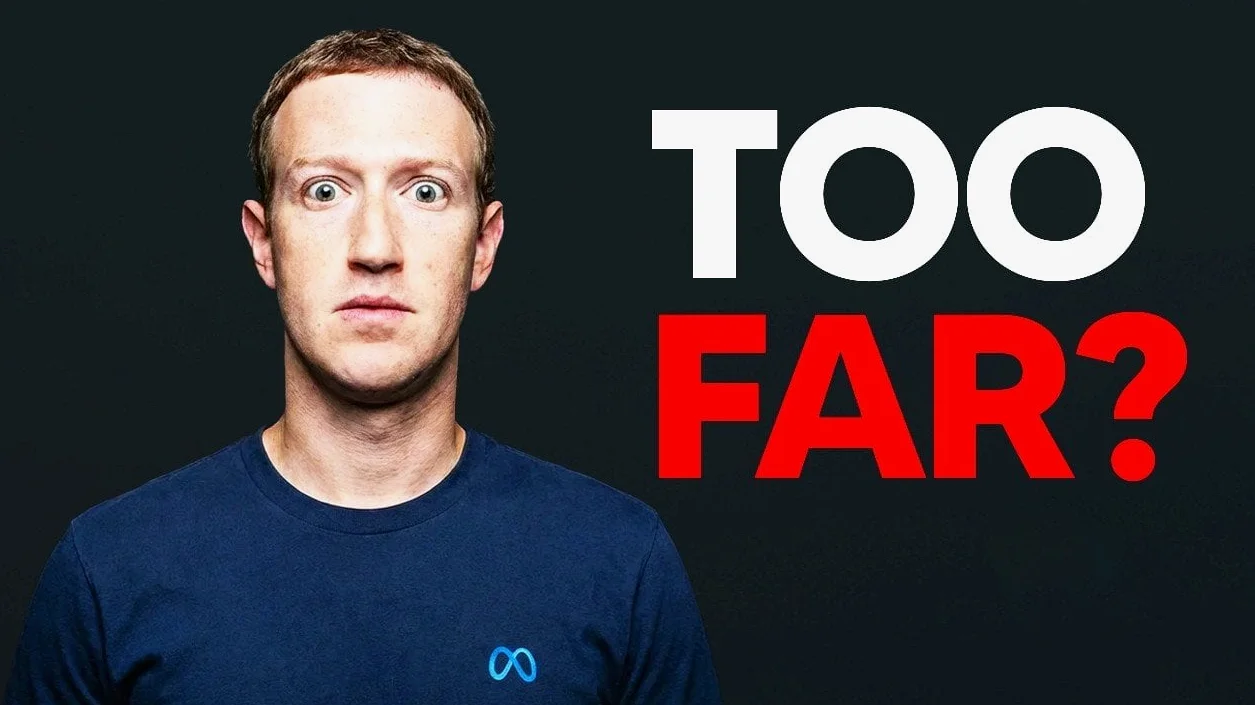
MENLO PARK, California — A newly patented Meta system uses artificial intelligence to mimic users’ online behavior on its social platforms. Titled “Simulation of a user of a social networking system using a language model,” the invention draws from a person’s historical data to generate posts, comments and interactions that match their style.
The patent details how machine learning algorithms process text, images, audio and video contributions. Patterns in language, preferences and engagement emerge from this data. The resulting digital clone then posts content or responds to others, sustaining the appearance of activity. Officials at Meta described the goal as boosting platform engagement during user absences.
One application targets influencers who take breaks. The AI steps in to maintain their presence, replying to fans in character. Another envisions grief support: families interact with simulations of loved ones who have died. The patent explicitly mentions generating responses based on a deceased user’s history.
Privacy advocates quickly raised alarms. The system requires vast personal data troves, including voice recordings and video mannerisms. Without explicit opt-in mechanisms, users might lack control over posthumous simulations. “Consent after death poses huge ethical dilemmas,” one expert noted in response to the filing.
Meta’s approach builds on prior efforts. In 2021, Microsoft patented chatbots mimicking dead people or celebrities, drawing backlash for insensitivity. Meta tested celebrity AI bots before, but they fell short on authenticity. This latest patent pushes further by integrating multimedia for more lifelike clones.
Emotional fallout looms large. Families divided over recreating lost relatives report mixed feelings—comfort for some, distress for others. Platforms could exploit clones for ad revenue, keeping inactive accounts profitable. Misuse risks include harassment via fake personas or spreading disinformation through trusted profiles.
Technical hurdles persist. AI must nail nuances like sarcasm or cultural references from sparse data. Audio synthesis demands precise voice matching; video adds gesture replication. The patent claims advanced models overcome these, but real-world tests remain unseen.
Regulators watch closely. European officials probe AI under the AI Act, which classifies high-risk systems. U.S. lawmakers call for federal rules on posthumous data use. Meta has not announced deployment plans, but the patent signals active development.
Broader implications challenge social norms. Digital immortality blurs lines between human and machine interactions. Users might converse with “friends” unaware they are AI. Platform addiction could worsen if bots inflate friend counts and notifications.
For now, the invention stays theoretical. Meta filed it with the U.S. Patent and Trademark Office in recent months. Public reaction mixes fascination with fear, highlighting AI’s march into personal realms.






Comments
No comments yet
Be the first to share your thoughts