

Miami is preparing to host a significant influx of FIFA World Cup visitors as the tournament transforms the region into an international stage. Between 600. 000 and 1 million visitors are expected to descend on South Florida over the next few weeks, bringing with them a wave of economic activity; Local officials anticipate an economic boost nearly three times larger than the one generated by Super Bowl LIV, according to The Real Deal.
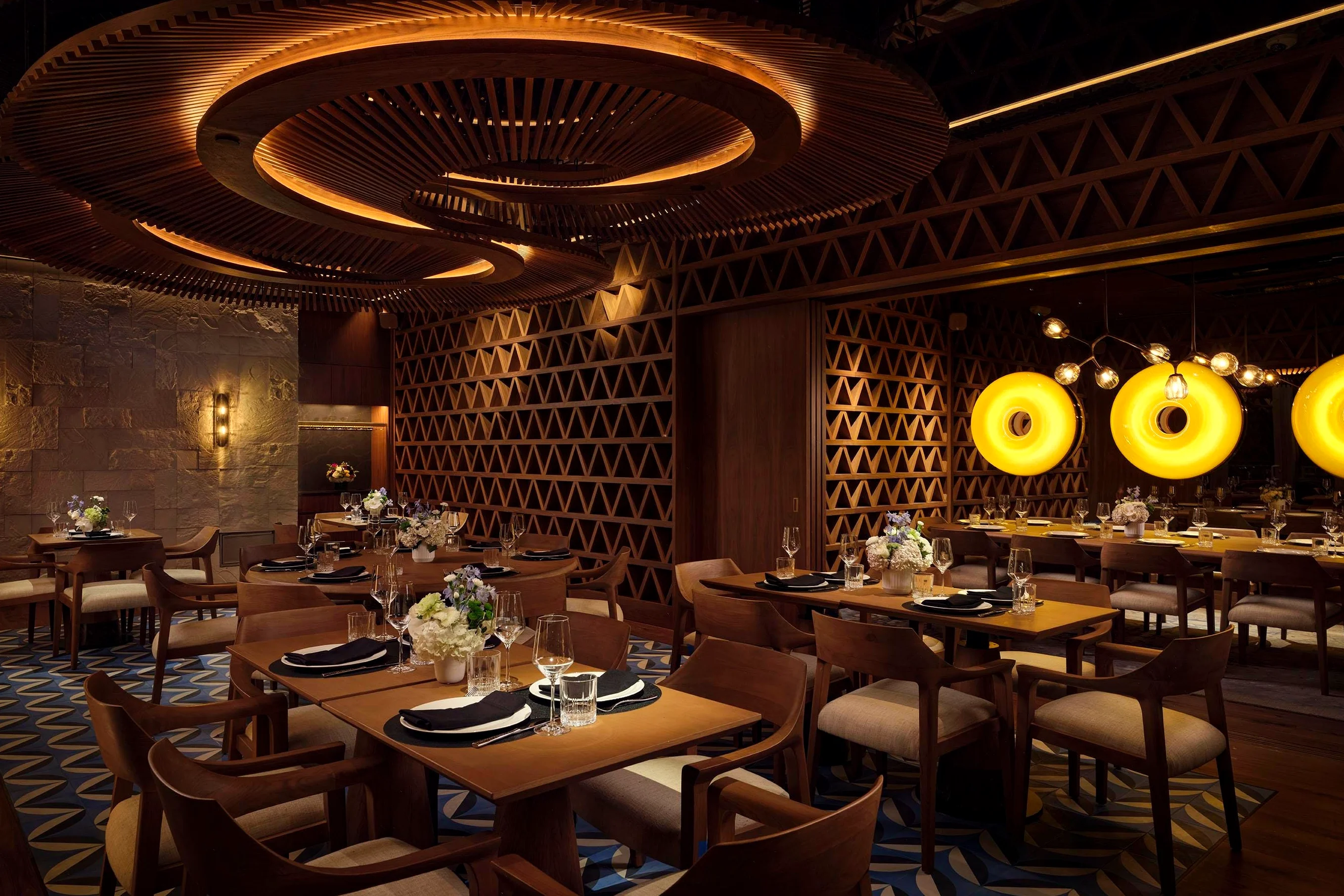
Restaurants and Culinary Experiences
With millions of soccer fans in town, Miami’s dining scene is primed for a spotlight, though the city offers a diverse range of international cuisine influenced by Cuba, Latin America, the Caribbean, and beyond. Forbes highlights must-try restaurants such as Joe’s Stone Crab, an iconic South Beach institution that has served since 1913 — Visitors are encouraged to try the legendary hash browns, fried chicken, and key lime pie.
Versailles, another Miami landmark, is a must-visit for those interested in Cuban cuisine and culture — Known for its Cuban sandwiches, croquetas, and medianoche, it serves as an unofficial gathering place for Miami’s Cuban community. For a more casual experience, La Camaronera is recommended, according to Forbes.
AI and Tourism Innovations
To enhance the visitor experience. The U.S. is using AI to assist with travel planning and support. The American Tourism Office (Brand USA) has launched a travel hub called ‘America the Beautiful Game,’ which provides game schedules, host city information, and recommended travel routes. The AI platform also offers language support and real-time assistance for transportation and sightseeing, according to Travel Daily.
Host cities like New York–New Jersey and Los Angeles have also introduced AI-based concierge services. New York City’s ‘Libby’ and Los Angeles’ ‘Angel’ provide real-time transportation updates, stadium tips, and personalized travel recommendations. Seattle’s ‘Emerald’ AI supports over 45 languages and offers tailored suggestions for visitors to Lumen Field.
Economic and Cultural Impact
Beyond dining and AI, the World Cup is expected to have a lasting economic and cultural impact on South Florida. Real estate professionals are capitalizing on the global exposure, with developers targeting buyers from Brazil, Colombia, Argentina, and Mexico using similar strategies employed during past events like Art Basel and the Miami Grand Prix, according to The Real Deal.
Host cities are also enhancing the World Cup experience with cultural festivals and events. Atlanta, for example, will host the ‘ATL Cultural Exchange,’ combining performances, films, exhibitions, and workshops alongside the FIFA Fan Festival. These initiatives aim to turn entire cities into festival venues, according to Brand USA.
As the World Cup unfolds, Miami and other host cities are not just serving as venues for the matches,they are becoming vibrant cultural hubs offering a unique blend of sports, food, and technology. The tournament is expected to leave a lasting imprint on the region, potentially changing how Miami is perceived globally.





Comments
No comments yet
Be the first to share your thoughts