

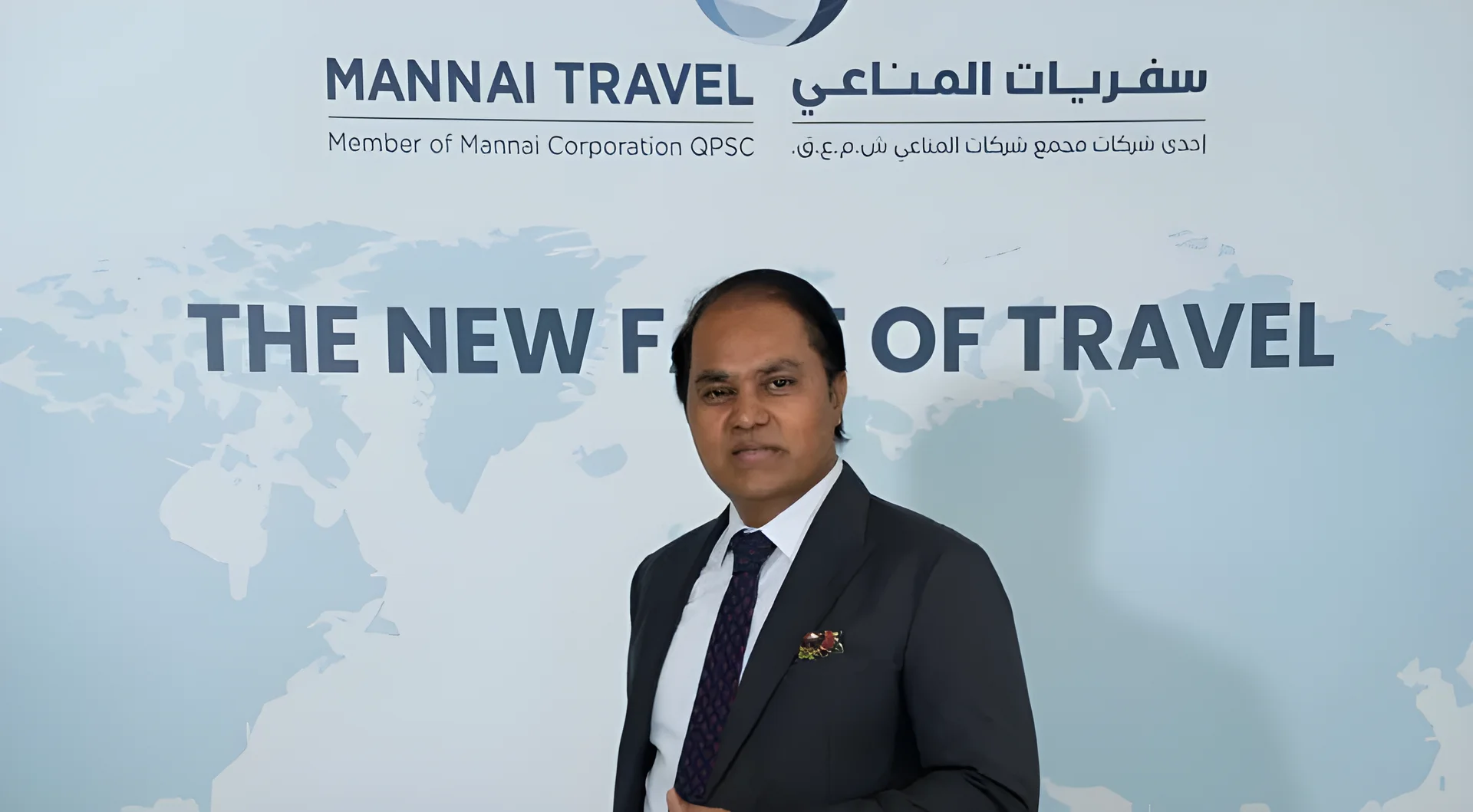
The MICE (Meetings, Incentives, Conferences, and Exhibitions) industry is undergoing a transformation, shifting from traditional events to a strategic platform for global trade, economic development, and diplomatic engagement. According to Nasiruddin Mohammed Shafiq, General Manager at Doha-based Mannai Travel Group, this evolution is driven by integrated travel ecosystems, digital innovation, and strategic partnerships that are redefining the role of MICE in the global economy.
Strategic Growth Engine for Destinations and Businesses
Shafiq emphasizes that the MICE industry has moved beyond hosting events to becoming a strategic enabler of economic diplomacy and destination development. It now influences investment flows, trade relationships, and long-term commercial partnerships. By aligning travel strategy, airline partnerships, and logistics with national growth agendas, MICE is positioning itself as a catalyst for sustainable economic expansion.
“MICE integrates corporate travel management, airline strategy, global visa facilitation, and logistics into a cohesive ecosystem that drives measurable economic impact,” Shafiq said. “Destinations using MICE effectively are not just hosting conferences—they are positioning themselves as hubs for innovation, trade, and cross-border collaboration.”
Shaping Aviation Strategy and Route Development
With experience across corporate travel, airline partnerships, and global exhibitions, Shafiq notes that MICE plays a significant role in shaping airline route development and capacity planning. Large-scale exhibitions and corporate gatherings create predictable, high-yield traffic patterns that airlines can strategically use.
“MICE is a data-driven opportunity for carriers to evaluate emerging markets, test seasonal capacity, and establish long-term connectivity,” she explained. “When destinations host recurring global exhibitions, they generate sustained inbound and outbound travel demand, influencing aircraft deployment and commercial agreements.”
Sustainability and Responsible Travel
Sustainability is becoming a non-negotiable factor in large-scale events. Shafiq highlights the need for MICE stakeholders to balance business growth with responsible travel, carbon reduction, and sustainable logistics without compromising delegate experience.
“Sustainability in MICE must move beyond compliance and become embedded in operating models,” she said. “Stakeholders can use AI-enabled platforms to streamline itineraries, reduce unnecessary travel segments, and promote hybrid participation models without compromising delegate engagement.”
Integrated carbon-conscious logistics, digital documentation, and supplier accountability frameworks are essential to achieving this balance. Efficient visa processing, smart mobility solutions, and well-coordinated on-ground logistics can reduce congestion and waste while improving service quality.
Digital Transformation and Operational Efficiency
Digital transformation is changing the MICE industry, from end to end. AI-driven e-commerce platforms, integrated global distribution systems, and smarter data tools are enabling organizers to design more personalized and smooth experiences for delegates while improving operational efficiency.
“From predicting travel patterns to automating visa processes, technology is helping the industry move faster, operate more transparently, and stay compliant with regulations,” Shafiq said. “Artificial intelligence can now anticipate attendance trends, adjust pricing in real time, and improve coordination across airlines and other suppliers.”
These digital tools support stronger financial control, smarter capital allocation, and healthier profit management. They are shifting the MICE sector away from reactive service delivery toward a more proactive, strategic approach.
Visa Facilitation and Global Competitiveness
Visa facilitation remains a critical bottleneck for global events. Shafiq, with her leadership in global visa operations, highlights the need for reforms and innovations to make destinations more competitive in attracting international MICE traffic.
“Clear, efficient, and transparent visa processes can have a direct impact on delegate participation and the overall scale of an event,” she said. “Emerging practices such as preclearance mechanisms for registered events, automated document verification, and better integration between visa systems and travel data may help reduce administrative delays.”
Aligning visa processing timelines more closely with airline schedules and event planning cycles can further support smoother delegate movement. Visa facilitation is increasingly viewed not only as an administrative function but as an important component of a destination’s overall competitiveness in the global business events market.
Logistics and Future Scalability
Cargo, logistics, and event infrastructure often operate behind the scenes, yet they are crucial to the future scalability of global exhibitions and mega-events. Shafiq emphasizes the importance of integrated logistics planning, including emerging sectors like space and high-value cargo.
“Behind every successful global exhibition lies a highly coordinated logistics framework,” she said. “Integrated cargo operations, shipping networks, and emerging sectors such as space and high-value cargo planning are increasingly critical to scalability.”
Large exhibitions require synchronized freight movement, customs clearance, and time-sensitive equipment delivery. When logistics planning is integrated with travel strategy and distribution ecosystems, operational risk is significantly reduced. Future-focused logistics, particularly in advanced cargo and specialized sectors, will determine how destinations handle complex, technology-driven exhibitions.
“Scalability depends on predictive planning, compliance oversight, and multi-sector collaboration,” Shafiq added. “In a rapidly evolving global trade environment, strong logistics infrastructure ensures that destinations can handle the demands of large-scale events effectively.”






Comments
No comments yet
Be the first to share your thoughts