

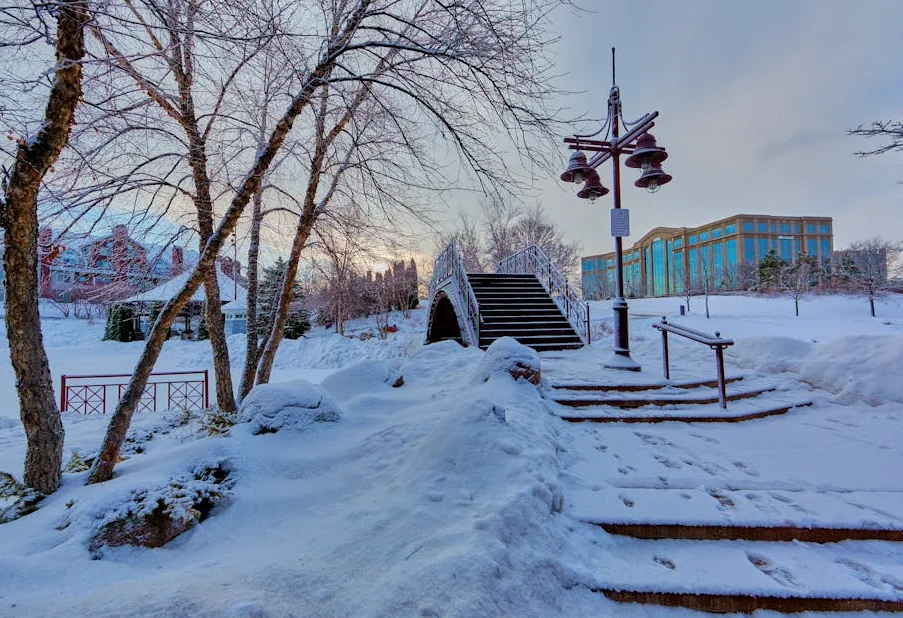
Minnesota State Patrol officials confirmed that a severe winter storm over the weekend caused over 460 crashes across the southern part of the state, according to a report released on Monday. The storm, which dropped heavy snowfall and reduced visibility, led to 40 injury crashes and one fatal accident in Meeker County on Saturday. A 22-year-old man who was not wearing a seatbelt died in that incident, officials said.
Winter Storm Leaves Trail of Collisions
The Minnesota State Patrol (MSP) reported that the crashes occurred between early Friday and just before midnight on Sunday night. The storm, which affected areas from Rochester to St. Cloud, caused widespread road closures and travel disruptions. MSP said the majority of the crashes were property damage incidents, though the severity of the storm led to several serious collisions.
Troopers emphasized that the lack of snow removal efforts and poor visibility were contributing factors. The fatal crash in Meeker County was the only one involving a fatality, but officials noted that the number of injury crashes was higher than expected for a three-day period. ‘This was an unprecedented number of crashes in such a short time,’ said an MSP spokesperson.
Drivers in the affected areas were advised to avoid unnecessary travel, but many were caught off guard by the sudden snowfall. The storm also impacted local schools, with several districts canceling or delaying classes due to unsafe road conditions.
Climate Change Report Warns of $20 Billion Annual Cost
A new report from the Minnesota Pollution Control Agency (MPCA) highlights the potential economic consequences of climate change, warning that the state could face up to $20 billion in annual costs by the end of the decade if it does not adapt to rising temperatures and extreme weather events.
The MPCA study, mandated by the state legislature, outlines the increasing risks of climate change, including more frequent heavy rainfall, warmer summers, and smokier air. These conditions are expected to lead to higher infrastructure repair costs, increased healthcare expenses, and greater strain on emergency services.
‘The cost of inaction is higher than the cost of adaptation,’ said a spokesperson for the MPCA. The report emphasizes that proactive measures such as improving flood defenses, investing in renewable energy, and updating building codes could significantly reduce the financial burden on the state.
The findings come amid growing concern over the impact of climate change on the Midwest. Minnesota has already seen a rise in extreme weather events, including more intense storms and prolonged heatwaves, which have affected both urban and rural communities.
Music Trip Disrupted by Winter Storm
A group of 75 students from Detroit Lakes High School returned home from a national music competition in Orlando after a winter storm in Minneapolis disrupted their flight plans. The students, who had traveled to the competition with their band and choir, were split across two flights with different departure times and layover cities.
About 150 students had originally planned to attend the competition, but only half were able to fly home as scheduled. The remaining students were forced to take a bus back to Detroit Lakes, adding approximately $35,000 in unexpected travel costs for the school district.
The disruption has raised concerns about the impact of severe weather on student activities and the financial strain on school budgets. Officials said the school district would cover the extra costs, but the incident has highlighted the need for better contingency planning for weather-related disruptions.
Similar incidents have occurred in the past, particularly during the 2021 winter storm that affected much of the Midwest. That storm caused widespread power outages, flight cancellations, and road closures, leading to significant economic losses across the region.
As the state continues to face more frequent and severe weather events, officials are urging communities to prepare for the growing risks. The MPCA report also calls for increased public awareness and investment in climate resilience to mitigate the long-term effects of climate change.
The Minnesota State Senate is also taking steps to address the growing concerns around climate change and public safety. A proposed ban on ‘ghost guns’—firearms made at home using 3D printers—was recently approved by the State Senate Judiciary Committee, with the bill moving forward for further consideration.
The bill, which would require current owners of such weapons to obtain a serial number, aims to reduce the risk of untraceable firearms being used in crimes. The measure passed by a vote of six to four, signaling support for stricter gun regulations in the state.
Meanwhile, the Minnesota Department of Natural Resources (DNR) has released updated fishing regulations for Upper Red Lake, which will take effect for the 2026 open-water season beginning on May 9th. Anglers will be allowed to keep up to five walleye, but only one of those fish can be longer than 17 inches. The new regulations are the same as those implemented in the previous season.
These updates reflect the DNR’s efforts to balance recreational fishing with the need to maintain healthy fish populations. The agency said the regulations are based on scientific assessments of fish stocks and habitat conditions.
As the state faces a range of challenges—from severe weather events to climate change and public safety concerns—officials are working to implement policies that address these issues. The coming months will see further discussions on climate adaptation, gun control, and natural resource management, with key decisions expected in the next few months.






Comments
No comments yet
Be the first to share your thoughts