

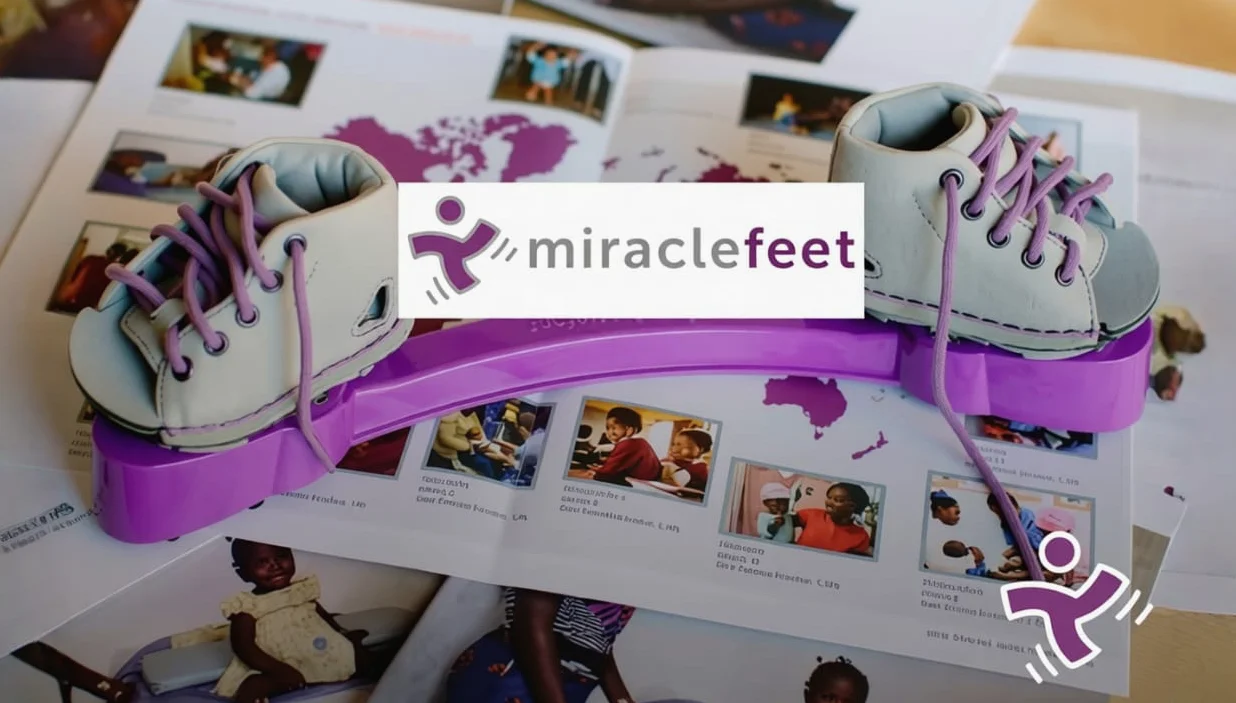
ABUJA — An international non-profit, MiracleFeet, pledged continued access to clubfoot treatment for children across Nigeria during a key training workshop this week. The organization targets the roughly 10,000 babies born annually with the congenital deformity, known medically as talipes equinovarus, which impacts up to one in 800 live births worldwide.
Clubfoot often goes untreated in Nigeria. Fewer than 15 percent of cases receive care, officials said, citing poor awareness, distant health facilities and financial hurdles as main barriers.
Stakeholders from across the country convened in Abuja for the African Clubfoot Training Train-the-Trainers workshop. MiracleFeet and local partners organized the event to boost national expertise in the Ponseti method, a non-surgical technique that corrects the condition in over 95 percent of cases.
Dr. Ekene Isikaku, MiracleFeet’s Senior Programme Field Officer for West and Central Africa, addressed participants. She said the group has treated more than 120,000 children in 37 countries through over 500 clinics. Thousands of new patients enroll yearly, with health providers trained in Ponseti care.
“We partner with local health workers, governments, NGOs and community leaders,” Isikaku said. The approach delivers low-cost, non-surgical care to prevent lifelong disabilities.
MiracleFeet takes a thorough strategy. It strengthens local systems via ongoing training and mentorship. The organization collaborates with Ministries of Health to weave clubfoot services into maternal and child health programs.
Operations in Nigeria started in 2018. Initial partnerships included The Straight Child Foundation and the Federal Ministry of Health. The network later grew to encompass HANDS, PCDF, Women and Children Health Empowerment Foundation, PLAN Foundation and others.
Today, MiracleFeet backs more than 80 clinics in various states. Thousands of children receive treatment there. Health workers learn Ponseti techniques alongside data monitoring systems.
Digital tools like CAST stand at the core. Clinics use them for real-time tracking of treatment quality, outcomes and trends, Isikaku explained. Such data sharpens strategies, bolsters advocacy and draws firmer government support for sustainable care.
Nigeria set the Ponseti method as its national standard in 2017. The National Council on Health approved it. Now, over 80 public hospitals nationwide provide the treatment.
The Abuja workshop followed a three-tier model. Experienced Ponseti trainers from Nigeria, Zimbabwe, Cameroon and Uganda led sessions. Fourteen Nigerian professionals took part, including orthopaedic surgeons, resident doctors and physiotherapists. Fifteen aspiring providers from Abuja and nearby areas joined them.
Master Trainers imparted facilitation, mentorship and technical skills. Participants now stand ready to instruct more healthcare workers, widening access to quality clubfoot care.
The group ended with a firm vow. Every child born with clubfoot in Nigeria will get timely, quality and affordable treatment—no matter location or finances.




Comments
No comments yet
Be the first to share your thoughts