

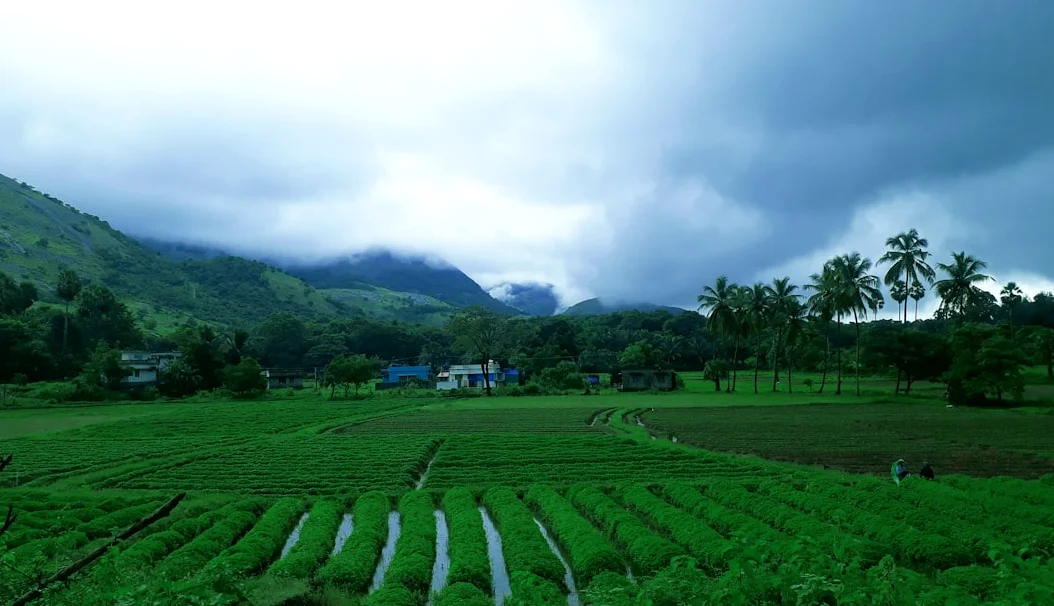
Monsoon rains have reached India’s southern state of Kerala three days late, the Meteorological Department confirmed. The rains. Which typically arrive on June 1. Are vital to India’s agricultural and economic stability, enabling the planting of key crops such as cotton, soya beans, sugarcane, rice, and corn.
Monsoon and Economic Impact
India’s $4 trillion economy is heavily reliant on monsoon rains, which provide about 70 percent of the annual rainfall needed for a successful harvest, the monsoon season also plays a important role in recharging aquifers and reservoirs across the country. The Meteorological Department stated that conditions are favorable for the southwest monsoon to advance into the central Arabian Sea, Goa, parts of Maharashtra, Andhra Pradesh, and Tamil Nadu within the next two to three days.
El Niño Concerns and Climate Projections
Concerns about crop yields. Food prices, and economic growth were heightened last month when the Meteorological Department issued a warning about a potential El Niño-weakened monsoon in 2026, which could bring the driest season in 11 years. According to the World Meteorological Organization (WMO), there is an 80 percent likelihood of an El Niño event occurring between June and August — the WMO noted that such climate events typically raise global temperatures and intensify extreme weather and rainfall patterns.
Water Conservation and Adaptation
Weak monsoons and recent droughts have made water conservation and management a priority in Kerala. The state government has emphasized water conservation as a top goal, with farmers and households adopting traditional methods to improve water security. In Thrissur, Vargheese Tharakan has dug trenches on his steep hillside plantation to capture and retain rainwater. Living on Earth’s Helen Palmer reported that weak or irregular monsoons can be devastating for farmers, but adaptation strategies like these are helping to mitigate the risks. In the last decade, monsoons in Kerala have become increasingly unpredictable, with some years experiencing severe droughts, possibly linked to climate change and shifting wind patterns.
As the monsoon progresses, the focus remains on ensuring that the delayed but timely arrival provides sufficient water for crops and reservoirs, helping to avert a potential crisis in India’s agricultural sector.





Comments
No comments yet
Be the first to share your thoughts