

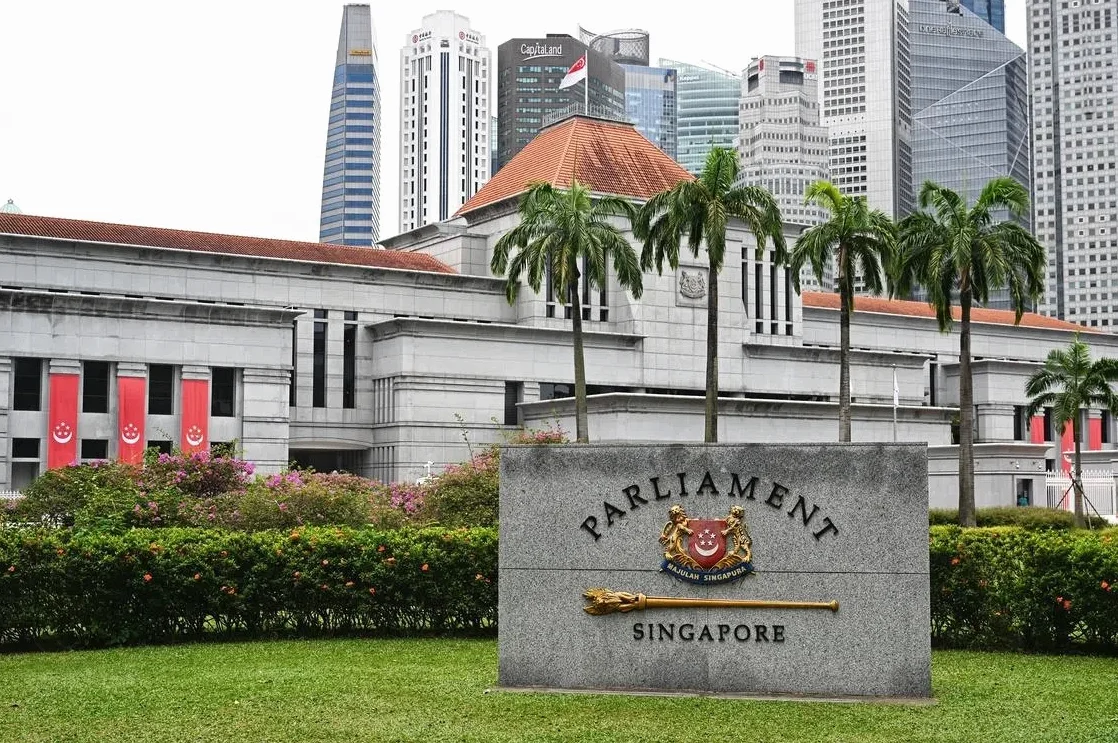
SINGAPORE — Lawmakers in Singapore are preparing to scrutinize the government’s approach to artificial intelligence, inequality, and fiscal strategy as they begin their annual debate on the record $155 billion Budget 2026.
Parliament will start its review of the budget on Feb 24, following Prime Minister and Finance Minister Lawrence Wong’s Feb 12 announcement of the largest-ever spending plan. The budget allocates significant resources to AI development, business support, and social programs for lower-income families.
Ang Mo Kio GRC MP Darryl David, who chairs the government parliamentary committee on education, plans to ask how the government intends to train workers, students, and educators as AI becomes more integrated into society. He emphasized the need for ethical considerations in AI education, saying students must understand not only the technical aspects but also the moral questions surrounding the technology.
Yio Chu Kang MP Yip Hon Weng, chair of the GPC on defense and foreign affairs, warned that embedding AI into public and private systems could increase Singapore’s vulnerability to cyber threats. He cited recent attacks by the China-linked UNC3886 group on local telecom companies, stating that as AI drives the economy, so must cyber defense capabilities.
Yip also highlighted concerns about the long-term impact of AI on employment, noting that while productivity may rise, workers could face displacement and a narrowing of career pathways. He argued that success in AI adoption should be measured not just by technological advancements but by job creation and wage growth.
The budget also shows that Singapore has maintained fiscal flexibility despite global economic volatility. The government is projected to end the 2025 financial year with a $15.1 billion surplus, more than double the initial estimate of $6.4 billion. Yip cautioned that such surpluses are not permanent and urged prudence in spending, suggesting that avoiding further tax increases in the near term could reinforce economic confidence.
MPs will also focus on how the budget supports workers through enhanced productivity and better job opportunities. Saktiandi Supaat, MP for Bishan-Toa Payoh GRC, emphasized the need for effective support for both workers and businesses.
The debate will run through March 6, with each day beginning with questions from MPs before moving into formal discussions. Topics will include health, support for PMET jobs, and protection of critical infrastructure. Four MPs, including Nominated Members of Parliament Mark Lee and Neo Kok Beng, have raised questions about the government’s plans to expand Singapore’s space industry, following the announcement of the new National Space Agency of Singapore (NSAS) starting April 1.
Victor Lye, MP for Ang Mo Kio GRC, plans to ask how Singapore will position itself in the global space economy beyond domestic launch capabilities and how it will develop talent and regional cooperation in the sector.
Following the budget debate, MPs will discuss each ministry’s spending plans and raise sector-specific issues. David also plans to ask for updates on the Gifted Education Programme (GEP) revamp and the extension of personal learning devices to primary schools.
Henry Kwek, MP for Kebun Baru, will focus on housing affordability and accessibility, targeting singles, seniors, and sandwiched-class families. He also plans to address the renewal of Singapore’s aging estates and the implementation of the Voluntary Early Redevelopment Scheme (VERS).
Yip emphasized that Singapore must prepare for two major structural shifts: geopolitical fragmentation and technological acceleration. He argued that fiscal strength is not just about balance sheets but about strategic capacity, stating that the government’s surplus reflects credibility in an uncertain world.





Comments
No comments yet
Be the first to share your thoughts