

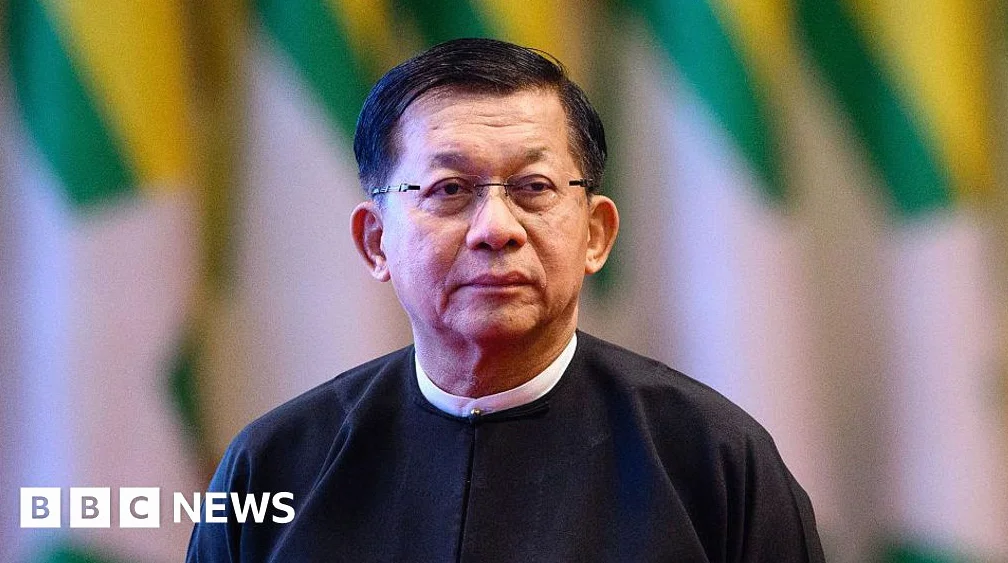
Myanmar’s military junta chief. Min Aung Hlaing. Has been nominated as the country’s new president, marking a significant political shift following the 2021 coup and ongoing conflicts. The nomination. Reported by multiple international sources, signals a consolidation of power within the military and raises concerns about the future of democratic reforms in the Southeast Asian nation.
Background of the Nomination
The nomination of Min Aung Hlaing as president follows months of political instability and military dominance in Myanmar. According to Reuters. The junta has been increasingly centralizing power since the 2021 coup, with Min Aung Hlaing emerging as the most influential figure within the military, though the move comes as the military faces ongoing resistance from pro-democracy forces and international criticism over human rights violations.
Japanese media outlet JAPAN Forward noted that the military’s grip on power has tightened in recent months, with reports of increased security measures and crackdowns on dissent. The junta has also been working to legitimize its rule through constitutional changes and the establishment of a new administrative framework, though these efforts have been met with skepticism both domestically and internationally.
According to Reuters. Min Aung Hlaing has been the de facto leader of Myanmar since the coup, overseeing the arrest of civilian leaders and the suppression of protests; his nomination as president is expected to further entrench the military’s control over the country’s political institutions.
International Reactions and Concerns
The nomination has drawn mixed reactions from the international community, while While some countries have continued to engage with the junta, others have expressed concern over the implications of a fully military-led government. The European Union and the United States have reiterated their support for democratic transition in Myanmar, while China and Russia have maintained closer ties with the military regime.
Japanese officials told NHK that the situation in Myanmar remains a concern for regional stability, with the potential for further escalation of conflict. The Japanese government has called for a peaceful resolution to the crisis and has continued to provide humanitarian aid to affected populations.
According to Reuters, the United Nations has also voiced concerns over the political developments, with UN officials warning that the military’s consolidation of power could lead to further human rights abuses and a deepening humanitarian crisis. The UN has called for dialogue and international pressure to encourage a return to democratic governance.
Local Impact and Resistance
Within Myanmar, the nomination of Min Aung Hlaing has been met with resistance from pro-democracy activists and opposition groups. According to local reports, protests have continued in several cities, with demonstrators demanding an end to military rule and the restoration of civilian governance. However, the military has responded with increased crackdowns, leading to a rise in arrests and reported violence against civilians.
According to a report from the Myanmar Times, the junta has also been implementing measures to control the media and suppress dissenting voices. Independent journalists and activists have been targeted, with many facing imprisonment or forced disappearances. The military’s control over information has made it difficult to assess the true scale of the resistance movement.
Local sources indicate that the military’s grip on power is strongest in rural areas, where the junta has been able to maintain control through a combination of military presence and local collaborators. However, in urban centers, the resistance movement remains active, with reports of ongoing strikes and demonstrations despite the risk of arrest.
What’s Next for Myanmar
The nomination of Min Aung Hlaing as president is expected to have far-reaching consequences for Myanmar’s political future. According to Reuters, the military is likely to continue its efforts to consolidate power, with little indication of a willingness to transition back to civilian rule. This could lead to further international isolation and economic sanctions, which have already begun to impact the country’s economy.
According to JAPAN Forward, the military’s strategy appears to be one of long-term control, with no immediate plans to relinquish power. The junta has also been working to build alliances with regional powers, including China and Russia, to secure support for its continued rule.
Local analysts suggest that the military’s hold on power may be challenged in the coming months, particularly if the resistance movement gains momentum. However, the risk of further violence and instability remains high, with the potential for a prolonged conflict that could have regional implications.
The international community is closely watching the situation, with many countries calling for a peaceful resolution to the crisis. However, the path forward remains uncertain, as the military continues to resist external pressure and maintain its grip on power.
Why It Matters
The nomination of Min Aung Hlaing as president represents a critical turning point in Myanmar’s political landscape. The military’s consolidation of power has raised concerns about the future of democratic reforms and the rights of the country’s citizens. The situation also has implications for regional stability, with the potential for increased conflict and humanitarian crises.
As the military continues to tighten its control, the international community faces the challenge of finding a way to support democratic transition in Myanmar while avoiding further escalation of the conflict. The outcome of this political struggle will have lasting consequences for the country and the broader region.




Comments
No comments yet
Be the first to share your thoughts