

 BBC
BBC 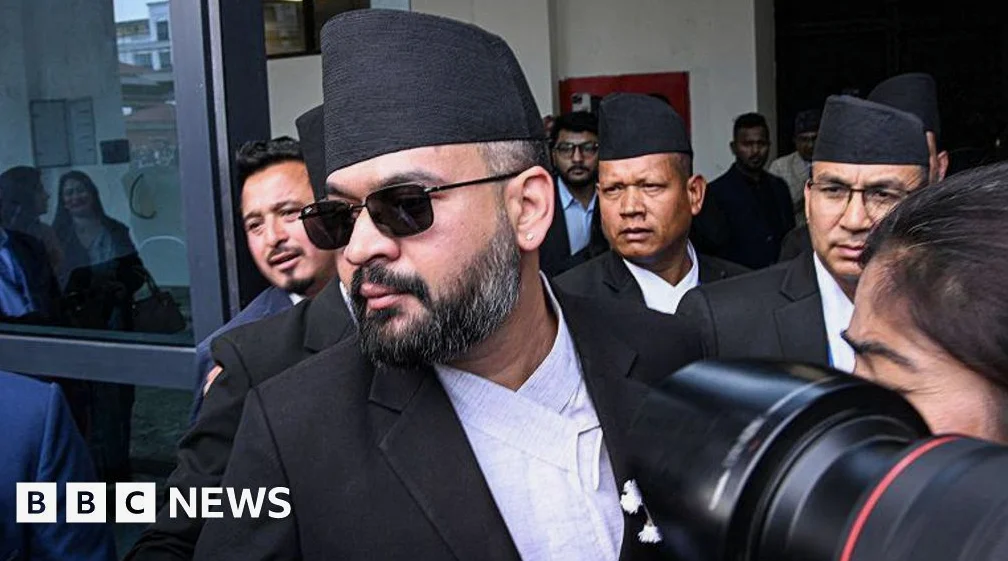
On Friday. Balendra Shah. Better known by his stage name Balen, was officially sworn in as Nepal’s prime minister, marking a historic shift in the country’s political landscape. The 35-year-old rapper-turned-politician won a landslide victory in the March general election, defeating entrenched political elites and changing the nation’s governance, as his rise reflects the frustrations of a generation tired of corruption, nepotism, and elite rule, according to the BBC.
From Rap to Politics
Shah, who gained fame through underground rap music, has long used his platform to critique Nepal’s social and political issues; his song ‘Undivided Nepali’ gained over two million views in hours after its release, highlighting his promise of change. The track. Which he performed before his swearing-in, resonated with a public yearning for transformation.
Shah’s journey from the music scene to politics began in 2013 when he won a popular rap battle in Nepal, and his sharp lyrics captured the anger of a generation feeling marginalized and abandoned. His music often focused on themes of corruption, social inequality, and the struggles of ordinary Nepalis. One of his most popular songs. ‘Balidan,’ which translates to ‘sacrifice,’ criticized the disparity between government employees and the working class, drawing millions of views on YouTube.
Before entering national politics, Shah served as the mayor of Kathmandu from 2022, winning by a landslide as an independent candidate, as his tenure was marked by efforts to clean up the capital, preserve indigenous heritage, and crack down on corruption. However, his decision to bulldoze illegal buildings, while easing traffic, drew criticism from street vendors and residents in informal settlements.
A New Political Era
Shah’s political rise was fueled by the nationwide protests in September 2024, which saw 77 deaths, many of them protesters shot by police. The unrest, initially triggered by a ban on social media, was driven by deep-seated anger over corruption, unemployment, and economic stagnation. Protesters adopted Shah’s song ‘Nepal Haseko’—meaning ‘Smiling Nepal’—as one of their anthems, with its lyrics echoing through the streets and into households for weeks.
The song’s lyrics, ‘I want to see Nepal smiling, I want to see the hearts of Nepalis dancing,’ captured the hope of a nation seeking renewal. Shah’s campaign for the prime minister’s post this year was marked by his unconventional approach—staying out of the media spotlight and communicating directly with voters through social media. He pledged to implement sweeping anti-corruption measures, reform the judiciary, and create 1.2 million new jobs, among other promises.
His campaign’s success was rare. The Rastriya Swatantra Party (RSP), which he joined in January 2025, swept the March 5 general election, toppling long-standing political structures. Shah even unseated former prime minister KP Sharma Oli in Jhapa 5, a constituency that had been Oli’s stronghold for years.
Challenges and Controversies
Despite his popularity, Shah’s record as mayor has drawn criticism. Human Rights Watch raised concerns about his use of police against street vendors in Kathmandu, a move that was criticized as heavy-handed. The organization expressed hope that as prime minister, Shah would focus on a more rules-based approach to governance.
Shah also faced controversy in November 2024 when he posted a profanity-laden Facebook message that named several foreign countries and Nepali political parties, including the RSP. He deleted the post shortly after, but the incident raised questions about his judgment and the RSP’s internal dynamics.
Beyond these controversies, Shah and his party now face the daunting task of meeting the high expectations of a populace eager for change. Challenges include the ongoing war in the Middle East, where millions of Nepalis work, chronic unemployment within Nepal, and the RSP’s lack of experience in running a government.
Adding to the complexity, Nepal on Thursday released the findings of an investigation into the deadly 2025 uprising that ousted the previous government. The commission recommended that former prime minister KP Sharma Oli be prosecuted, though the final decision on implementing these recommendations will rest with the newly elected RSP.
Shah’s administration will need to handle these challenges while maintaining the trust of a nation that has shown its support through the ballot box. His ability to deliver on promises of reform and stability will be serious in determining the success of his tenure as prime minister.






Comments
No comments yet
Be the first to share your thoughts