

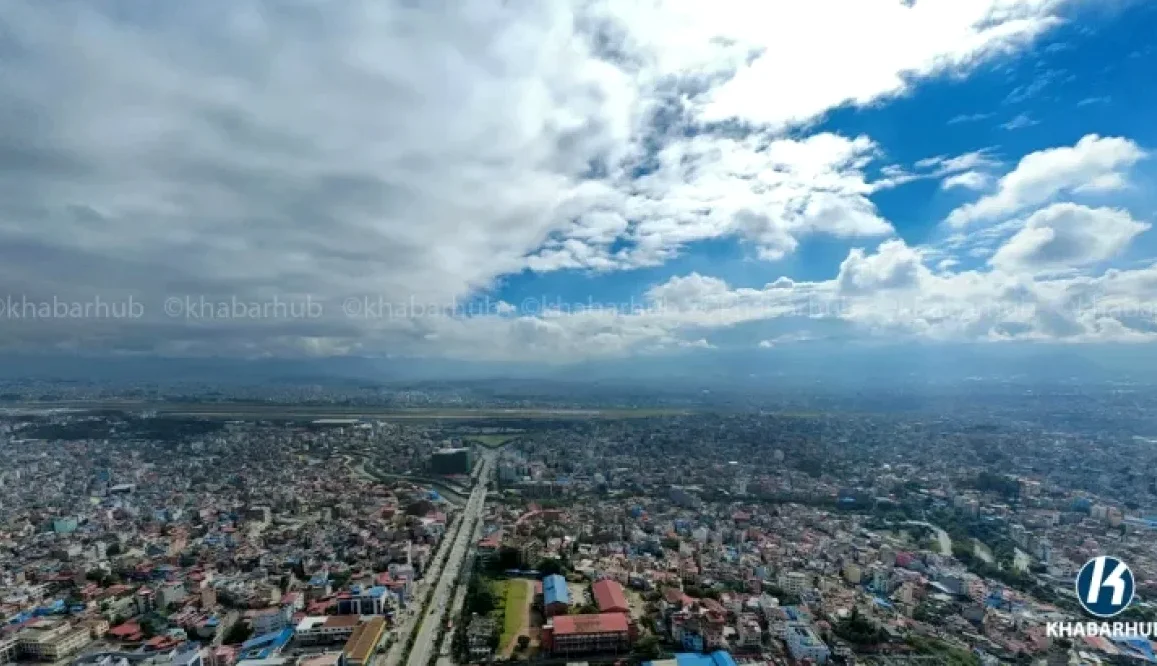
Nepal’s weather forecast for today presents a paradox: while most of the country will enjoy clear skies, specific regions are bracing for fog, haze, and light snowfall. The Department of Hydrology and Meteorology has confirmed that the country will see generally clear conditions, with the exception of hilly and mountainous areas where snow and light rain are possible. This divergence in weather patterns has raised concerns among local authorities and commuters who rely on accurate, localized forecasts.
Regional Weather Variations in Nepal
The meteorological department has issued detailed forecasts for each of Nepal’s seven provinces. In Koshi Province, mountainous, hilly, and Terai regions will see partly cloudy and mostly clear conditions, while Madhesh Province’s Terai belt is expected to remain mainly clear. Bagmati Province will experience partly cloudy to generally clear conditions across all its regions. Gandaki Province, however, is set to see partial cloud cover throughout. Lumbini Province will have partly cloudy skies in its mountainous and hilly areas, with a mostly clear Terai. Karnali Province’s mountainous and hilly regions will be largely clear, while Sudurpashchim Province will see clear conditions across all its regions.
According to the Weather Forecasting Division, a high-pressure system in the upper atmosphere is the primary driver of the current weather pattern. This system has created widespread clear skies, but it has also allowed for the persistence of fog in some hilly and mountainous areas. In the Terai region, haze is expected to linger this afternoon, with fog potentially forming in certain areas by nightfall.
Challenges for Travelers and Authorities
The coexistence of clear skies and localized weather hazards has created practical challenges for commuters and local authorities. While the general public may expect uniform conditions across the country, the reality is that fog and haze in the Terai, along with the possibility of light snowfall in higher elevations, can significantly impact travel and daily activities.
According to a local meteorologist, ‘It’s crucial for people to check localized forecasts, as the overall picture may not reflect the conditions in their specific area. This is especially true for those traveling through mountainous or hilly regions where snow or rain can occur unexpectedly.’
The current weather pattern also highlights the need for more targeted advisories from meteorological agencies. While the Department of Hydrology and Meteorology and the Weather Forecasting Division have provided detailed forecasts, the emphasis on fog, haze, and isolated precipitation in certain areas must be reinforced in public communication.
Local administrations and transport authorities have been advised to issue targeted alerts for areas where fog, haze, or partial cloud cover has been identified. This would help mitigate risks for drivers and travelers who may not be aware of the localized conditions.
Implications for Future Weather Patterns
The current weather conditions are part of a broader trend influenced by seasonal atmospheric patterns. Meteorologists note that high-pressure systems often bring prolonged periods of clear weather but can also lead to localized disruptions such as fog and haze, particularly in low-lying areas.
Looking ahead, the Department of Hydrology and Meteorology will continue to monitor the situation closely. Officials have indicated that similar weather patterns may persist for the next few days, with periodic changes in cloud cover and precipitation risk across various regions.
Residents and travelers are encouraged to stay updated with local weather forecasts and to take necessary precautions, especially in areas where fog, haze, or snowfall is expected. The combination of clear skies and hidden hazards highlights the importance of accurate, localized weather reporting in ensuring public safety and preparedness.
The current forecast serves as a reminder that today’s weather headlines can sometimes mask significant local variation, requiring a more detailed understanding of regional conditions.




Comments
No comments yet
Be the first to share your thoughts