

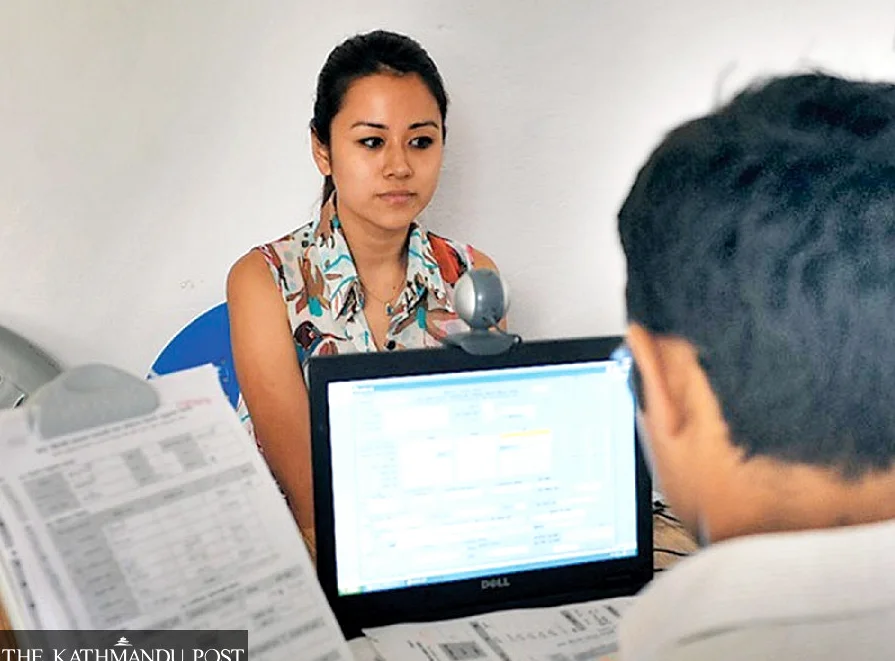
JUNICHANDE, Nepal — Neera Shahi, 24, studies pharmacy at Mangalsen Polytechnic Institute in Achham district, but her thoughts drift to Junichande Rural Municipality in Jajarkot, Nepal’s poorest among 753 local units according to government data. There, monsoon landslides block fragile roads, stranding patients far from hospitals. Shahi, a ward 6 resident, will cast her first vote on March 5. “I’m learning to prescribe medicines,” she told reporters this week. “But which candidate will bring paracetamol to our health post or build a road that lasts?”
Shahi dreams of bridges to carry local herbs and produce to markets. She wants doctors staffing equipped clinics, technical schools nearby and policies to keep educated youth from migrating. Electricity from the national grid and steady internet top her list too. Childbirths now force families to charter helicopters costing hundreds of thousands of rupees — unaffordable in her cash-strapped village.
Her demands echo across Nepal’s remote corners as campaigns heat up. In Bajhang district’s Bitthadchir Rural Municipality, 18-year-old Sushil Bohara, also at Mangalsen for pharmacy, dismisses decades of broken pledges heard on radio and TV. “Gen Z needs doctors, not speechmakers,” Bohara said. He blasts haphazard road-building that sparks landslides rather than links villages. The 2015 earthquake shattered homes and trust alike, he added. Old parties dwell on history; new ones must prove they grasp remote realities, Bohara argued.
Bohara views his vote as an investment, not party loyalty. Voters in places like Bitthadchir can force candidates toward real agendas, he believes. Dabal Budha, from Achham’s Turmakhand Rural Municipality ward 4, agrees. Achham ranks chronically poor, plagued by outmigration, hunger and crumbling infrastructure, national reports show. “Paper plans abound without action,” Budha said. He urges completion of the Mangalsen-Jangalghat-Chisapani road and a concrete bridge at Jangalghat. Solid infrastructure jump-starts local economies, he stressed. Representatives must push projects, not just talk.
These students’ frustrations highlight enduring gaps in Nepal’s democracy. Youth ballots in Junichande, Bitthadchir and Turmakhand prioritize survival over ideology. Reliable healthcare, passable roads and jobs could stem the youth exodus that hollows out villages. Election officials expect high turnout among 18- to 25-year-olds in these districts, where poverty metrics lag national averages. Candidates from major parties have pledged infrastructure boosts, but first-time voters like Shahi, Bohara and Budha demand proof over promises as March 5 nears.
Nepal’s 753 local governments track poverty through multidimensional indices, placing Junichande at the bottom with high rates of food insecurity and low school completion. Jajarkot’s isolation amplifies woes: health posts often lack basics like paracetamol, forcing treks or airlifts. Bajhang and Achham fare little better, their rural roads washing out yearly. Government data shows youth migration rates exceeding 30% in such areas, draining talent and slowing growth.
Shahi plans to return post-graduation if opportunities arise. “We need leaders who treat our poverty like a disease — with real medicine,” she said. Bohara echoed that, calling for competence tests over charisma. Budha wants accountability: track records on bridges and roads, not vague visions. As posters plaster villages and rallies draw crowds, these voices cut through the noise, grounding the contest in daily hardships.





Comments
No comments yet
Be the first to share your thoughts