

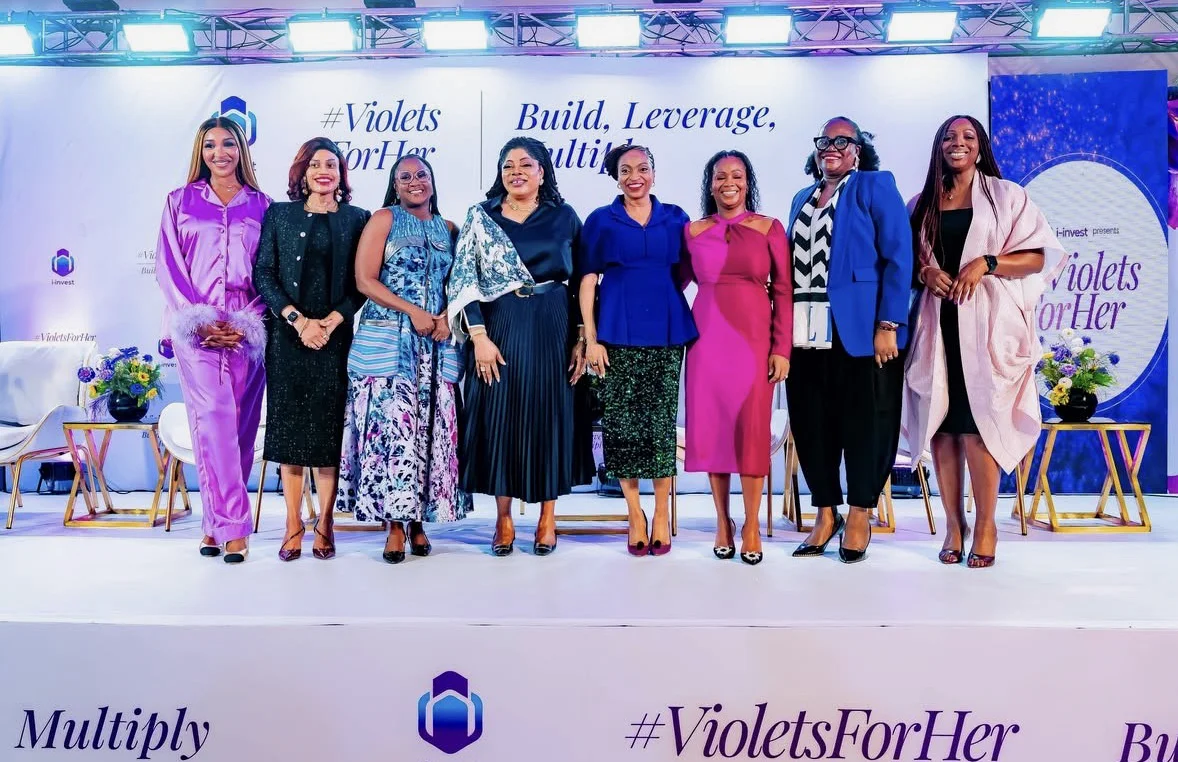
Jumoke Oduwole, Nigeria’s Minister of Industry, Trade and Investment, has urged women to prioritize developing strong skills over the pursuit of quick financial gains to ensure long-term professional success. Speaking at an International Women’s Day event in Lagos, Oduwole emphasized that while money and excitement may be fleeting, the accumulation of skills and capabilities can lead to enduring opportunities and rewards.
Building a Foundation for Lasting Success
During a fireside chat at the event, which was themed ‘VioletsForHer: Build, Use, Multiply,’ Oduwole highlighted the importance of deliberate career choices and patience in shaping meaningful professional impact. She noted that many young professionals today face pressure to achieve visible success quickly, especially in an era dominated by social media where global success stories are constantly amplified.
‘Skills provide a long-term foundation for success,’ Oduwole said. ‘Money and excitement can be temporary, but when you build strong capabilities, the opportunities and rewards eventually follow.’
She recounted her own career journey, which spans investment banking, academia, and public service, to illustrate how consistent decisions and long-term planning have shaped her professional life. Oduwole acknowledged that while dramatic turning points often receive the most attention, careers are typically built on daily choices about learning, discipline, and personal development.
Aligning Career with Personal Priorities
Oduwole reflected on her early career in investment banking, where she worked on the legal side of financial services. However, the demanding schedule eventually clashed with her responsibilities as a mother, prompting her to reevaluate her career direction. This led her into academia, a move that initially surprised some family members but ultimately aligned with her deeper motivation to create meaningful impact.
‘Financial reward was never something I rejected,’ she explained. ‘But it was not my primary motivation. I wanted to work in spaces where I could influence outcomes and contribute meaningfully to society.’
Her transition into public service represented another significant step in her journey. Oduwole acknowledged that politics and governance often demand personal sacrifices, including long working hours and constant travel. During her early years in government, she frequently commuted between Lagos and Abuja while ensuring she remained actively present in her children’s lives.
Maintaining that balance required discipline and determination, she said, but it reinforced the importance of aligning career decisions with personal priorities.
Strategic Thinking and Leadership
Beyond career choices, Oduwole emphasized the importance of strategic thinking in leadership. She explained that power is not only about occupying formal positions but also about shaping agendas and influencing outcomes. ‘Raw power requires intentionality,’ she said. ‘You have to think strategically about what you want to achieve and how to position yourself to influence decisions.’
Without that level of intentional planning, individuals risk becoming passive participants in decisions made by others. ‘If you’re not helping to shape the agenda, you may end up being shaped by it,’ she warned.
Oduwole also highlighted the role of community and support systems in sustaining leadership journeys, noting that success can sometimes be isolating. Trusted networks, mentors, and honest advisers are essential in helping leaders handle difficult moments and maintain perspective.
She encouraged women to actively pursue leadership opportunities rather than waiting to be invited into decision-making spaces. ‘Leadership often requires sacrifice and readiness,’ she said. ‘Women must be willing to step forward and take on challenges with the same confidence that men often display.’
At the event, a panel session titled ‘The ROI of Sisterhood: Turning Social Capital into Financial Power’ featured several prominent Nigerian women, including Funto Ibuoye, Idia Aisien, and Olayinka Oyetunji. The session was moderated by media executive Esther Alade.
Panelists shared personal experiences on how sisterhood and supportive professional relationships have shaped their leadership journeys and career breakthroughs. Some noted that working in male-dominated environments often meant being the only woman in the room, making it necessary for women who eventually reach senior positions to intentionally lift others.
The speakers also highlighted how informal connections and social interactions can open unexpected doors. One panelist recounted how a chance meeting with a group of African women in New York eventually led to an investment banking opportunity that redirected her career. Another explained that after leaving a corporate accounting role early in her career, support from a female professional contact helped her secure a new position that ultimately led to launching her own interior design business.
Beyond emotional support, the panel stressed that social capital can translate directly into financial opportunities when built on trust, competence, and consistent engagement. The speakers noted that competence alone is often not enough for career advancement, stressing the importance of building relationships, finding sponsors who can advocate in decision-making rooms, and collaborating rather than competing with other women.
When networks are grounded in authenticity and shared goals, they said, professional relationships can evolve into referrals, partnerships, and investment opportunities that strengthen women’s economic power.





Comments
No comments yet
Be the first to share your thoughts