

 The Guardian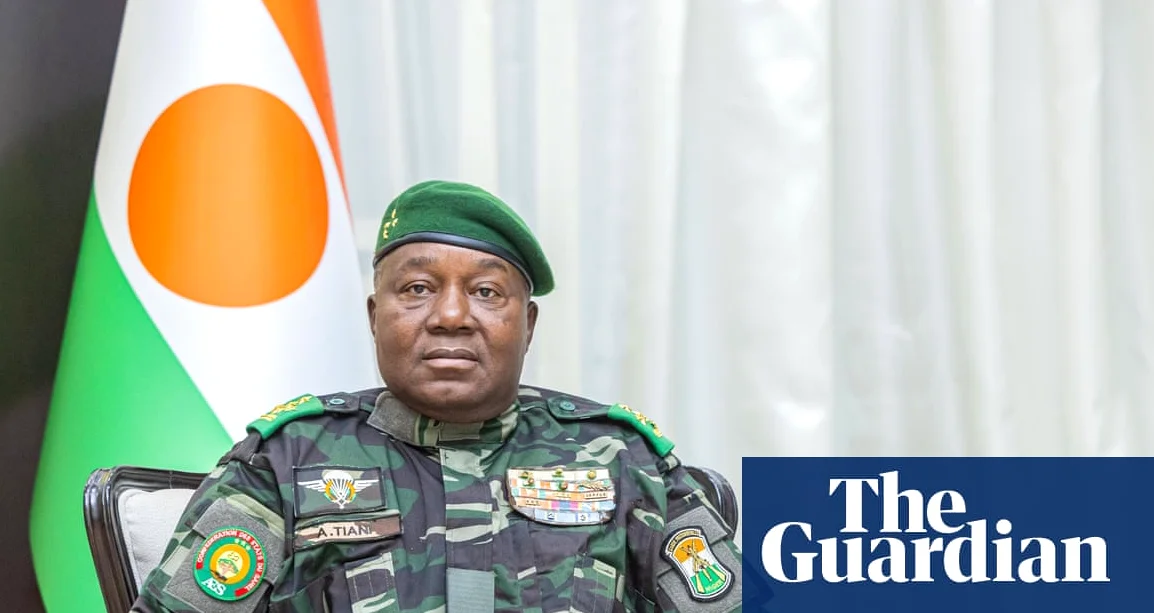
Niger’s new penal code, enacted in February, imposes penalties of up to 10 years in prison and a fine of up to 100 million West African CFA francs (£130,000) for “indecent or unnatural acts” and “sexual relations with a person of the same sex.” This marks the first time in the country’s history that homosexuality has been criminalized. The law follows similar legislative moves in neighboring Mali and Burkina Faso over the past two years.
Context of the Security operation
Gen Abdourahamane Tchiani, the leader of the military government, came to power through a coup d’état in July 2023 and was officially sworn in as president in 2025 for a five-year term. The former UN peacekeeper has anti-imperialist rhetoric and formed the Alliance of Sahel States with Burkina Faso and Mali, breaking away from the Economic Community of West African States (Ecowas). The move has raised concerns about human rights and democratic governance in the region.
Political Motivations and International Reactions
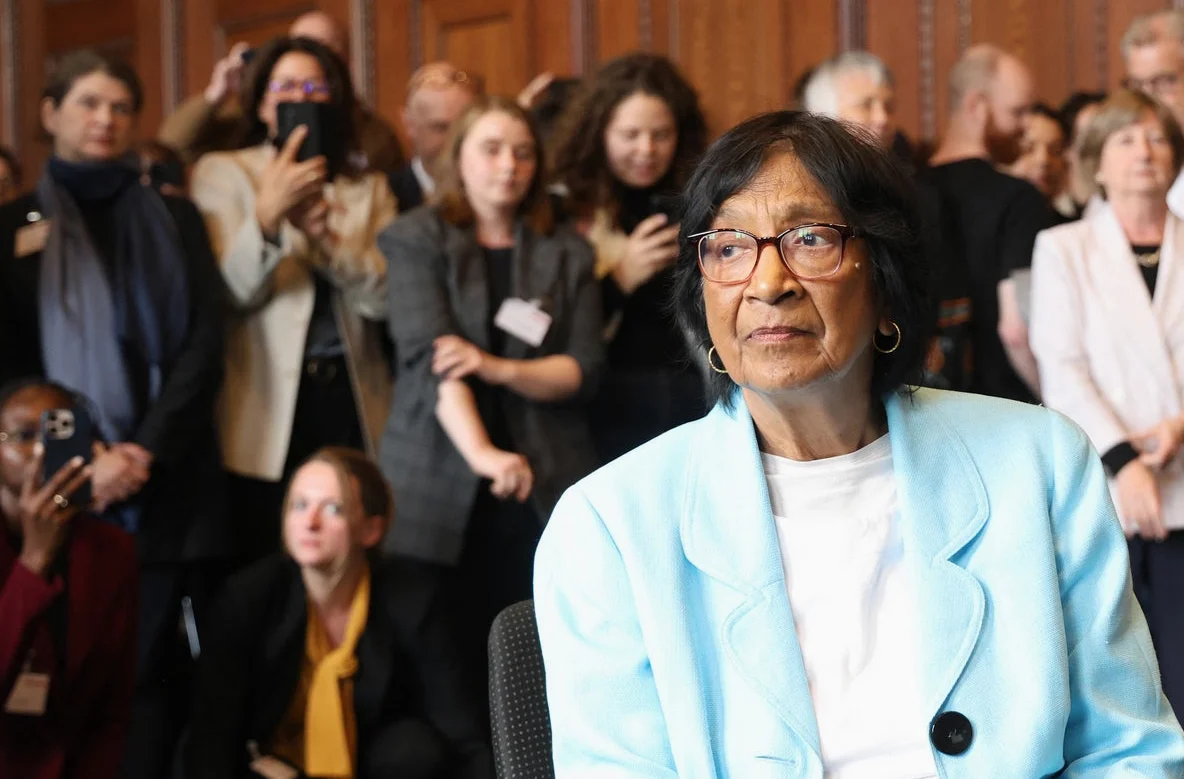
Larissa Kojoué, a political scientist and pan-African activist, has criticized the administration’s use of anti-LGBTQ+ rhetoric as a political tool. She stated, “Political leaders are using this to advance their own political agenda. They claim ‘African values’, sovereignty and culture, all the while happily undermining human rights for people.” Kojoué also dismissed the idea that homosexuality is a Western import, emphasizing that such claims are often used to justify repression.
She added, “There is no culture that encourages violence against innocent people, or that doesn’t hold perpetrators of violence accountable. But on the [African] continent you can do whatever you want with LGBTQ+ people and get away with it.” This observation highlights a broader pattern of human rights violations across the continent.
Legacy of the Previous Government
Although the military government has intensified the enforcement action, the changes to the penal code began under Niger’s previous civilian president, Mohamed Bazoum. The new administration has not only continued but expanded upon these policies, raising questions about the continuity of governance and the role of political stability in human rights protections.
The ongoing arrests and harassment of LGBTQ+ individuals have led to increased tensions and fear within the community. Many have gone into hiding, and some have lost contact with others. The government’s actions have been described as a “witch-hunt” by those who have raised concerns about the escalation of violence and the erosion of civil liberties.




Comments
No comments yet
Be the first to share your thoughts