

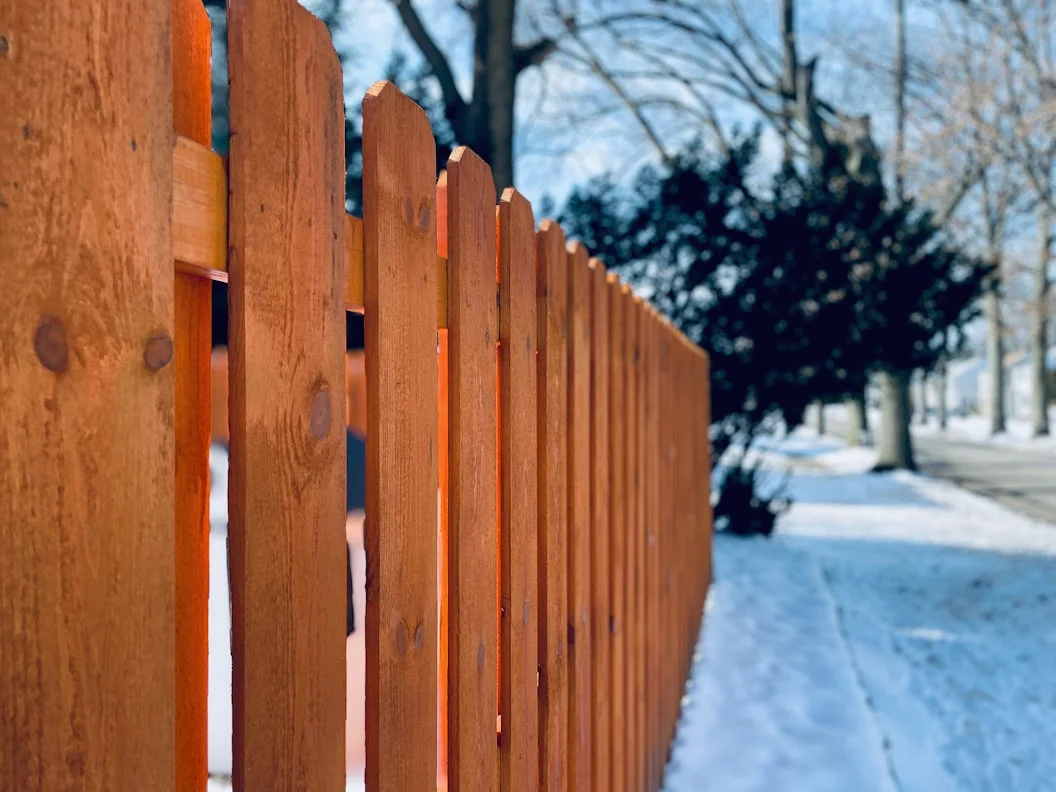
NEW JERSEY — Homeowners tired of replacing wood fences every 15 to 20 years can turn to engineered alternatives, according to experts at Navigator Stone & Fence. Composite systems blend wood fibers and recycled plastic to mimic natural grain while blocking moisture absorption that dooms wood panels to warp and rot.
Wood fences soak up rain and snow, leading to panels twisting and posts crumbling at ground level, the experts said. Gaps emerge as drying wood shrinks, compromising privacy. Insects target softened timber, hastening collapse during storms. Even cedar loses its protective oils after a few years of exposure, behaving like untreated pine.
Composite fences change that equation. UV inhibitors mixed throughout prevent fading under direct sun. Manufacturers offer 20- to 30-year warranties. Cleaning takes soap and water a few times yearly—no scraping old stain or hunting termites. Boards damaged by accident swap out in minutes, no carpentry needed. These setups endure freeze-thaw cycles and 90-degree heat without cracking.
Vinyl provides another zero-maintenance path. Waterproof by design, it blocks rot and mold in shady, damp yards. Dirt rinses off with a hose; no splinters threaten kids or pets. Premium versions with UV stabilizers avoid the chalky look of bargain brands. Expect 20 to 30 years of service. Quality vinyl flexes in cold snaps and expands slightly in heat when installed with proper gaps.
Steel-reinforced frames tackle wood’s weak spots head-on. Galvanized metal posts and rails support wood or composite infills. Coatings fend off rust. No dozens of screws loosen over time. Wind gusts that topple standard fences barely faze the rigid structure. Swap a single board by lifting the top rail—entire sections stay intact. Annual upkeep hits $50, mostly for hosing down and spot-touching scratches.
Aluminum suits wet climates or coastal salt air. It resists rust without extra galvanizing. Lightweight panels install fast yet stand firm against gusts. Powder-coated finishes hold color through decades. Privacy styles block views completely, unlike old picket designs. Lifespans stretch past 50 years. Cost per year beats wood once replacements factor in.
Navigator Stone & Fence experts calculate wood owners spend $200 yearly on stain, sealant and board fixes. Harsh New Jersey winters with freeze-thaw and humid summers accelerate damage. Modern fences cut that to occasional rinses, freeing weekends. Upfront prices run higher but pay off over decades, they said. Homeowners match budgets to lifestyles without losing curb appeal or privacy.
These options trend as searches for durable fencing rise. Steel systems average $50 in yearly costs. Composites and vinyl demand 30 minutes biannually with a hose. Aluminum’s longevity makes it a long-haul winner.






Comments
No comments yet
Be the first to share your thoughts