

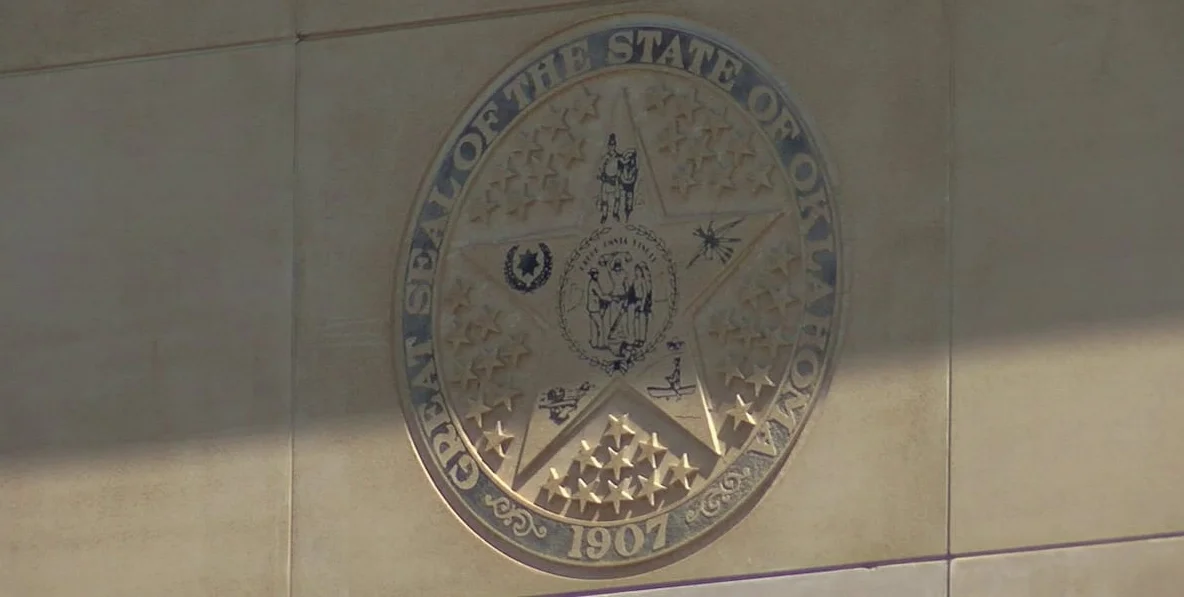
Oklahoma City — A proposal to transition the state’s primary elections from a closed system to an open primary format for statewide and county offices has failed to qualify for the ballot after organizers fell short of the required number of signatures.
Signature Shortfall Derails Ballot Measure
State Question 836, which aimed to allow voters to participate in any party’s primary regardless of their own party affiliation, was submitted by a coalition of reform advocates and political groups. The measure would have changed the current system, where only registered members of a party can vote in that party’s primary, to a model where the top two vote-getters from any party would advance to the general election.
According to the Oklahoma Secretary of State’s office, the petitioners collected 143,000 signatures, but the required threshold is 152,700. The shortfall of nearly 10,000 signatures means the measure will not appear on the November ballot.
The failure of the petition comes amid growing interest in electoral reform across the United States. Similar open primary proposals have been introduced in other states, including Washington and California, where voters have approved similar measures in the past. However, Oklahoma’s effort was the first of its kind in the state.
Political Implications and Reactions
Members of the Oklahoma Democratic Party expressed disappointment over the outcome, stating that the failure of the petition could have significant implications for the state’s political landscape.
“This is a major setback for electoral reform in Oklahoma,” said a spokesperson for the Oklahoma Democratic Party. “The open primary model could have increased voter participation and brought more competition to general elections. We will continue to explore other avenues to push for this change in the future.”
Supporters of the proposal argued that the current closed primary system limits voter choice and entrenches the dominance of the two major parties. They believe an open primary would encourage more candidates to run and give voters a broader range of options in the general election.
Opponents, however, warned that the open primary could lead to more extreme candidates making it to the general election, as voters from different parties might support candidates who are more radical in their positions.
What’s Next for Electoral Reform in Oklahoma?
Despite the failure of the petition, advocates for the open primary system are not entirely discouraged. They are considering alternative strategies, such as gathering more signatures for a future ballot initiative or pushing for legislative action to enact similar reforms.
The Oklahoma legislature is currently in session, and some lawmakers have expressed interest in exploring electoral reform. However, the likelihood of passing such legislation in the current political climate remains uncertain, given the divided nature of the state’s political landscape.
“We’re not giving up on this issue,” said one reform advocate who requested anonymity. “This is just the first step. We need to keep the conversation going and build broader support for electoral reform in Oklahoma.”
The next major election in Oklahoma will be in 2028, giving reform advocates more time to build momentum for future efforts. In the meantime, the failure of the open primary proposal will likely be a topic of discussion in political circles and among voters who are interested in changing the state’s electoral system.
With the November 2026 ballot now out of reach, the future of Oklahoma’s primary system remains uncertain, but the push for reform is far from over.






Comments
No comments yet
Be the first to share your thoughts