

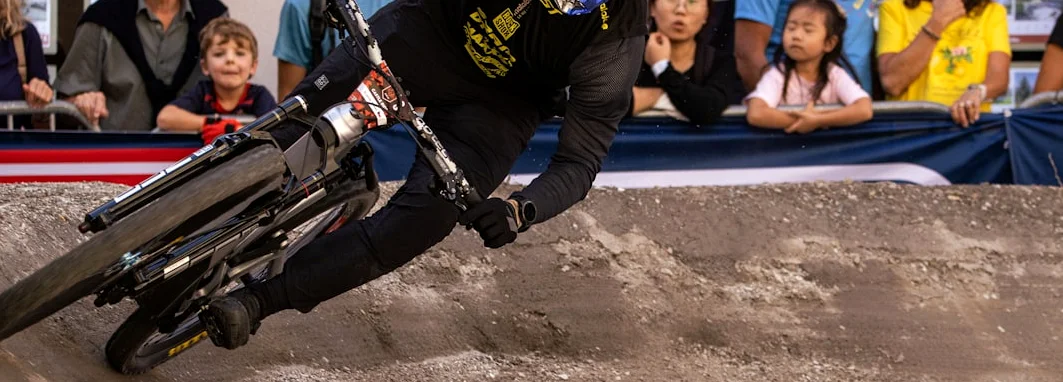
MILAN — Won Yun-jong grabbed the most votes among 11 candidates for two open seats on the IOC Athletes’ Commission. The former bobsleigh pilot earned 1,176 ballots from 2,393 athletes at the Milan-Cortina Winter Olympics.
His victory marks a milestone for South Korean sports. Won joins past Olympians Moon Dae-sung, a 2004 taekwondo champion, and Ryu Seung-min, the 2004 table tennis gold medalist who now leads the Korean Sport & Olympic Committee. No South Korean Winter athlete had made the commission before.
Estonian biathlete Johanna Taliharm took second place with 983 votes. The pair will replace outgoing members Emma Terho and Astrid Uhrenholdt Jacobsen. Commission members hold eight-year terms with full IOC rights and duties, according to IOC rules.
Voting ran from Jan. 30, when athletes’ villages opened in northern Italy, until 2 p.m. Wednesday. Organizers announced results three days before the closing ceremony. Of 2,871 eligible voters, 83.4 percent participated—the second-highest turnout for a Winter Games, trailing only the 83.8 percent at the 2018 PyeongChang Olympics.
Won shared his reaction in a video from the Korean Sport & Olympic Committee. “I was so nervous right before the results were announced,” he said. “I am so happy that the work I’ve put in to meet athletes and build networks paid off.”
He credited family support and pledged to prioritize athletes. “I want to thank my family for their support. I will now try to reach out to athletes first and work as hard for them as possible.”
Won’s silver medal came in the men’s four-man bobsleigh at PyeongChang, where he piloted the sled to South Korea’s best finish ever in the event. Now 39, he retired after the Beijing Games but stayed active in Olympic circles.
The election highlights athlete voices in Olympic governance. Commission members advocate for competitors on issues from training conditions to competition rules. Won joins Kim Jae-youl as South Korea’s current IOC members; Kim earned his spot in October 2023 as president of the International Skating Union.
KSOC officials hailed the win as a boost for Korean athletes worldwide. Won’s network-building during the Games—visiting villages and chatting with competitors—clearly swayed voters. His top finish reflects broad support across sports and nations.
The IOC oversees 206 national committees and stages Summer and Winter Games every four years. Athletes’ Commission elections happen at every Olympics, ensuring fresh representation. This year’s high turnout signals strong engagement amid debates over Olympic costs and formats.
Comments
No comments yet
Be the first to share your thoughts