

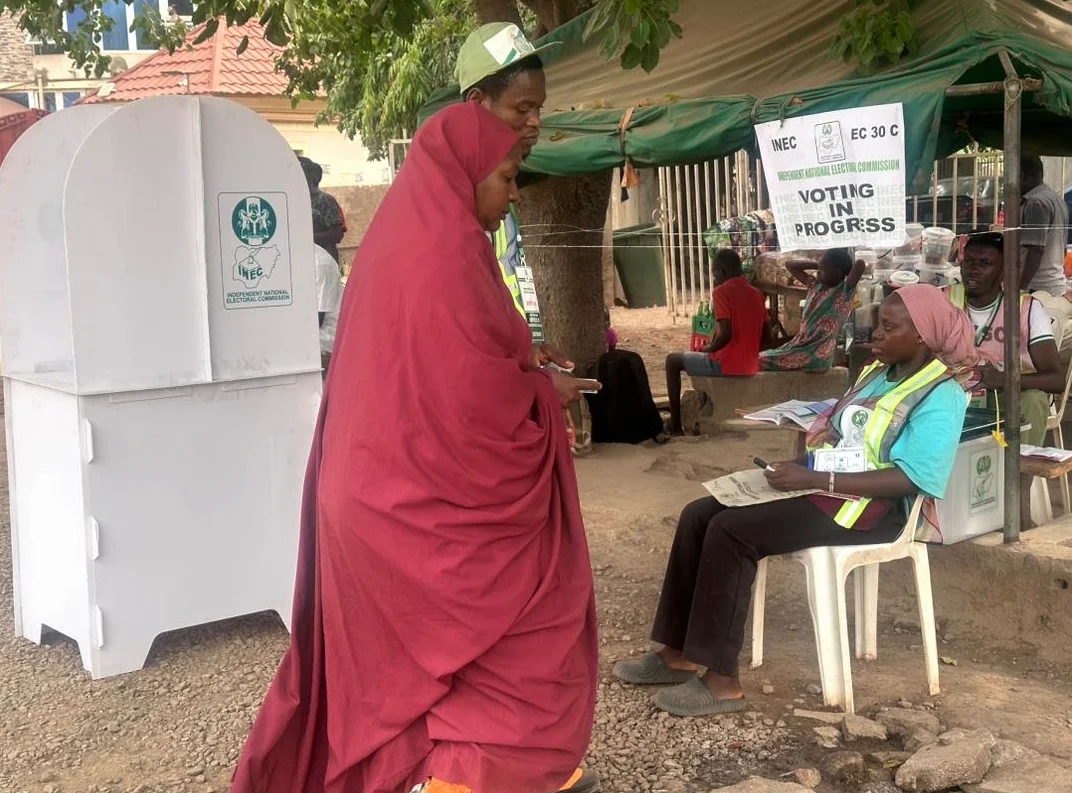
ABUJA — Election officials at Ward EC 30 C in Karu Site 2B accredited only 12 voters out of 500 registered by 10:18 a.m. Saturday during the FCT Area Council polls. The sparse participation marked a sluggish beginning at the polling unit despite a peaceful atmosphere.
Voting across the Federal Capital Territory’s six area councils got underway early to choose chairpersons and councillors. At this Karu location, observers noted the quiet scene. Electoral workers managed the process smoothly, with no reported hitches even as crowds failed to materialize.
Registered voters trickled in slowly under clear skies. By the morning checkpoint, accreditation numbers hovered near single digits for hours. Officials confirmed materials arrived on time and security stayed present throughout.
The low numbers contrast with expectations for higher engagement in the capital’s local races. Across other units in Karu and nearby wards, turnout varied, though specific figures remained unavailable by midday. Election authorities urged residents to participate before polls close at 4 p.m.
Residents nearby expressed mixed views. One voter, who cast her ballot around 9:30 a.m., cited work commitments as a reason for the delay. “People are busy, but they’ll come later,” she told reporters at the site.
INEC officials overseeing FCT operations reported no widespread issues territory-wide. Voting proceeded in Gwagwalada, Kwali, Abaji, Kuje and Abuja Municipal councils as well. Preliminary observer accounts described orderly queues where activity picked up.
At Karu Site 2B, the polling unit sits in a densely populated residential zone. Yet foot traffic stayed minimal into late morning. Electoral staff used the downtime to double-check voter lists and biometric machines.
Broader context shows these polls as routine for FCT administration. Chairpersons handle local services like waste management and markets. Councillors represent wards on councils. Turnout often dips in off-cycle elections compared to national votes.
Party agents from APC and PDP lingered at the unit, chatting idly. No arguments broke out. Police officers patrolled the perimeter, ensuring calm prevailed.
By 11 a.m., accreditation ticked up slightly to 15 voters. Officials predicted a possible afternoon surge as weekend schedules freed up. INEC’s FCT coordinator emphasized vigilance against any late disruptions.
The exercise tests local democracy in Nigeria’s administrative heart. Past FCT polls saw turnout around 30-40 percent overall. Current trends at Karu suggest that mark may prove optimistic unless participation jumps sharply.
Observers from civil groups monitored closely. They praised the hitch-free start but flagged apathy as a concern. “Low turnout undermines representation,” one noted from the site.
Voters must present permanent cards and identification. Biometric verification remains mandatory. Polls run from 8:30 a.m. to 4 p.m., with collation to follow overnight.
Updates from other units trickled in sporadically. Some reported brisker activity near markets. Karu, however, lagged behind. Officials held firm: the day stays on track.





Comments
No comments yet
Be the first to share your thoughts