

 New York Times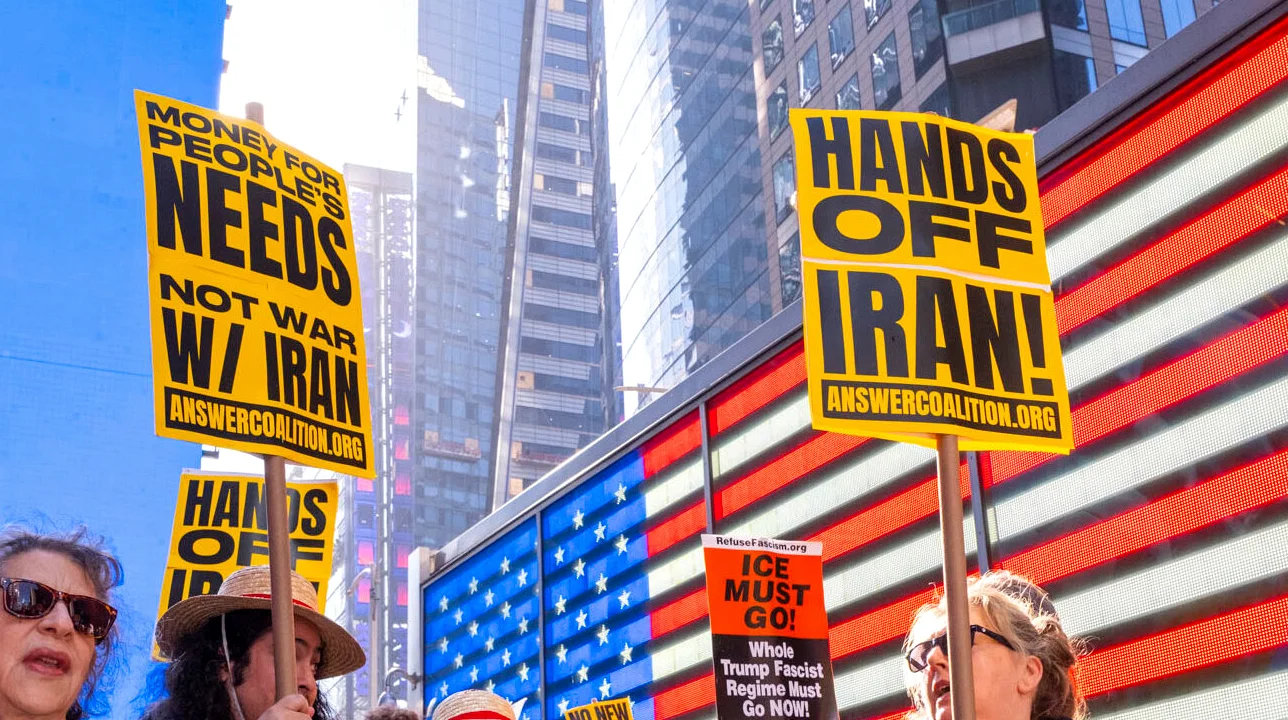
A new poll from the University of Maryland reveals that only 21% of Americans support the United States initiating an attack on Iran, a stark indication of public wariness toward military action against the Middle Eastern nation. The survey, conducted two weeks prior to a potential escalation in tensions, found that 49% of respondents oppose such a move, while 30% remain undecided.
Public Opinion on Military Action
The findings underscore a deep divide among the American public regarding the potential use of military force against Iran. Despite heightened tensions following recent actions by President Trump and Israel, the majority of Americans do not support an attack, according to the poll.
Among Republicans, the support for an attack is even more fragmented. Only 40% of Republican respondents expressed favor for a strike, with 25% opposing it and 35% remaining uncertain. This suggests that even within the party that traditionally supports a more assertive foreign policy, there is significant hesitation.
Further complicating the situation is the public’s perception of leadership. An AP-NORC poll conducted last week found that only 27% of Americans have confidence in President Trump’s ability to handle military force effectively. Among political independents, the figure drops to just 14%, indicating a lack of trust in his decision-making regarding military engagements.
Concerns Over Iran’s Nuclear Program
Despite the low level of support for an attack, the poll also highlights that nearly half of all U.S. adults—47%—express extreme or very high concern about Iran’s nuclear program. An additional 31% are moderately concerned, pointing to a widespread awareness of the potential threat posed by Iran’s nuclear ambitions.
These concerns are not new. Iran’s nuclear program has been a point of contention for years, with various administrations expressing worries about the possibility of Iran developing nuclear weapons. However, the current level of public anxiety appears to be unusually high, likely influenced by recent geopolitical developments and statements from both U.S. and Israeli leaders.
According to the University of Maryland poll, the low level of public support for an attack on Iran is reflective of a broader trend in American public opinion. Over the past decade, polls have consistently shown that Americans are increasingly reluctant to engage in military conflicts, particularly those with uncertain outcomes or high risk of escalation.
Similar sentiments were observed during the lead-up to the 2011 invasion of Libya and the 2017 airstrikes on Syria. In both cases, public support for military action was relatively low, with many Americans questioning the necessity and effectiveness of such interventions.
Implications for Future Policy
The findings from these polls may have significant implications for future U.S. foreign policy decisions. With a majority of the public opposed to an attack on Iran, any move toward military action could face substantial political resistance, both from the general public and within Congress.
Analysts suggest that President Trump may be under pressure to justify any potential military action with clear evidence of an imminent threat. Without such justification, the administration could face a backlash from both the American people and international allies.
Moreover, the low level of trust in the president’s handling of military force could complicate any efforts to rally public support for a potential strike. The administration may need to rely on bipartisan backing or seek international allies to legitimize such a move.
As tensions continue to rise, the next few weeks will be crucial in determining whether the United States takes any military action against Iran. The public’s skepticism will likely play a central role in shaping the political landscape, regardless of whether a strike occurs.






Comments
No comments yet
Be the first to share your thoughts